Author: Keshia Glass - Page 3
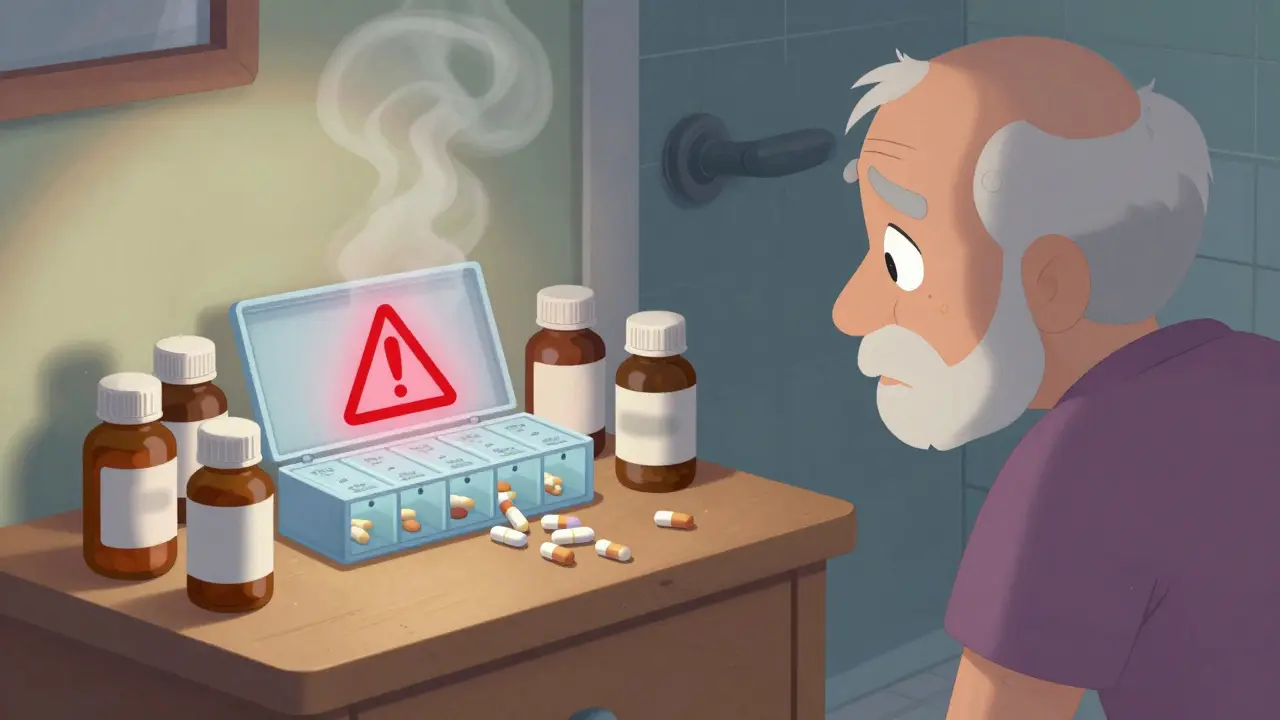
How to Use a Pill Organizer Safely Without Overdosing
Learn how to use a pill organizer correctly to avoid accidental overdose. Discover what meds to keep out, how to fill safely, where to store it, and when to use smart devices or get pharmacist help.
View More
Multiple Generics: How Competitors Enter After the First Generic Market Entrant
After the first generic enters the market, competitors flood in, triggering dramatic price drops and supply chain instability. Learn how patent rules, PBMs, and manufacturing risks shape the chaotic second phase of generic drug competition.
View More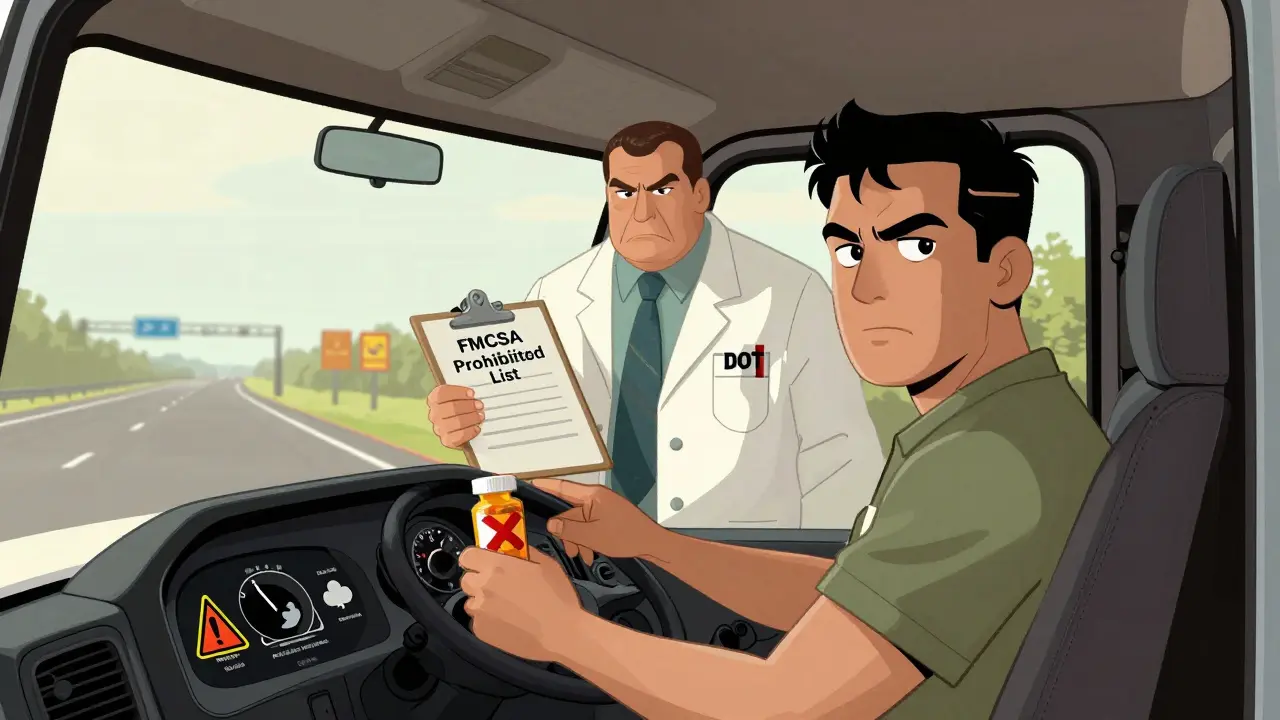
Commercial Driving and Medications: What You Must Know for Safety and Compliance
Commercial drivers must follow strict DOT medication rules to stay on the road. Learn which prescriptions are banned, what alternatives work, and how to avoid losing your CDL due to drug policy violations.
View More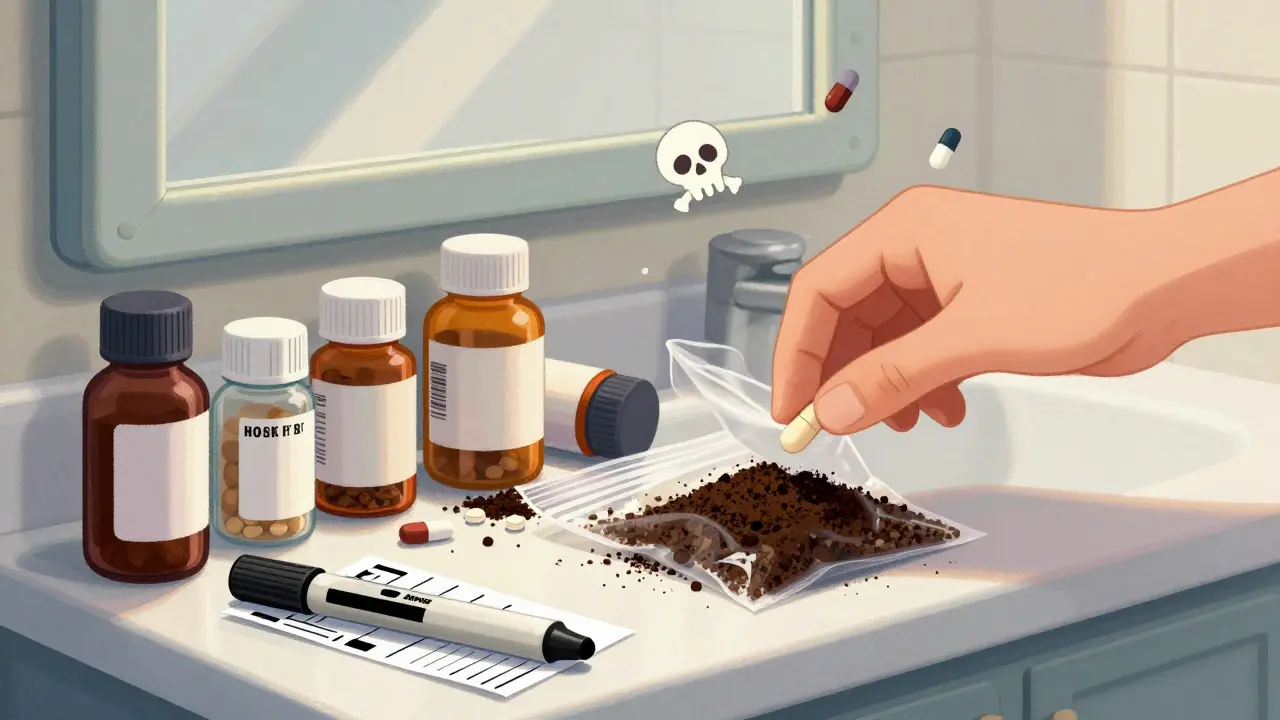
How to Dispose of Expired Medications Safely at Home: Step-by-Step Guide for UK Households
Learn the safe, step-by-step way to dispose of expired medications at home in the UK. Avoid flushing or tossing pills-use coffee grounds, black out labels, and seal them properly. Find local take-back options and prevent accidental poisonings.
View More
Medicaid Coverage for Prescription Medications: What’s Included in 2026
Medicaid covers most prescription drugs, but coverage varies by state. Learn what's included, how step therapy and prior authorization work, and how to lower your costs in 2026.
View More
How to Involve Family or Caregivers in Medication Support
Learn how family and caregivers can help manage medications safely to prevent errors, reduce hospital visits, and improve health outcomes. Practical steps, tools, and expert tips for supporting loved ones on multiple prescriptions.
View More
Ocular Surface Disease: Effective Care for Meibomian Gland Dysfunction
Meibomian gland dysfunction (MGD) is the leading cause of dry eyes, affecting up to 86% of dry eye cases. Learn proven treatments, home care routines, medication options, and why early intervention matters.
View More
Naloxone Readiness Plan: How to Keep Patients Safe on Opioids
A naloxone readiness plan saves lives. Learn how to recognize opioid overdose, use nasal spray correctly, and keep kits accessible - whether you're a patient, caregiver, or workplace manager.
View More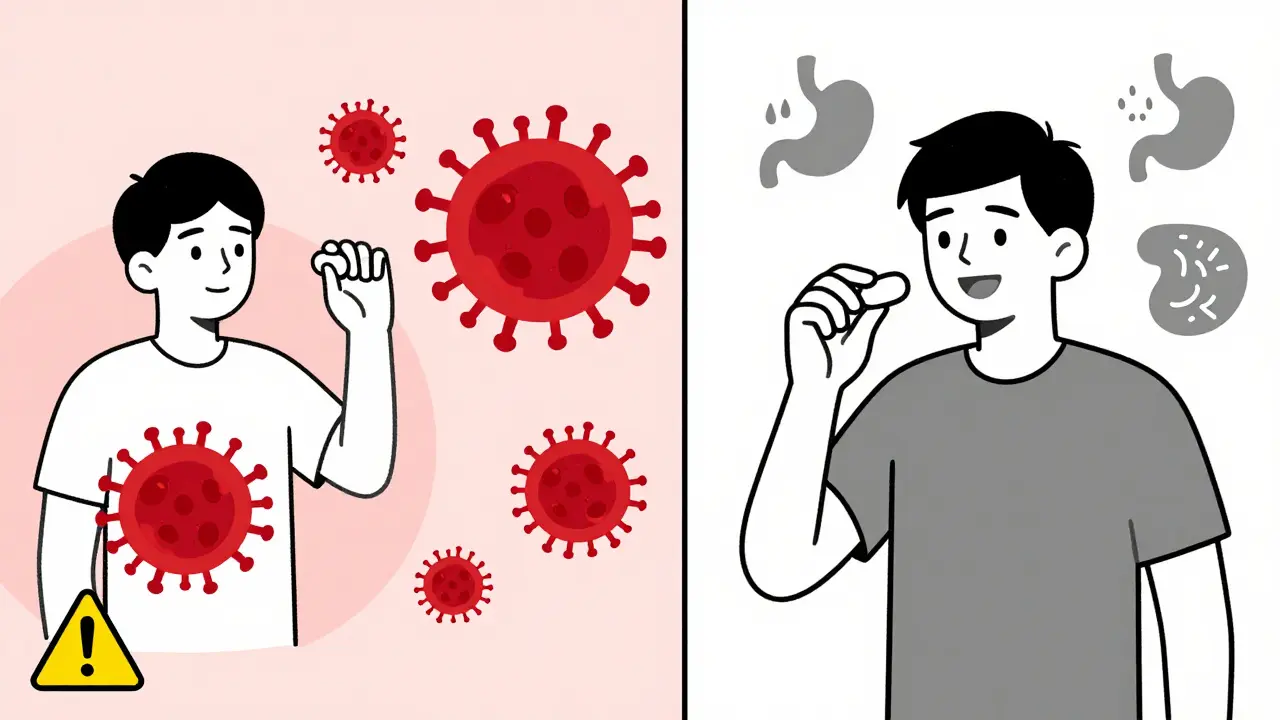
Drug Allergies vs. Side Effects: How to Tell the Difference and Stay Safe
Learn how to tell the difference between a true drug allergy and a common side effect - and why getting it right can save your life, money, and health. Most 'allergies' aren't allergies at all.
View More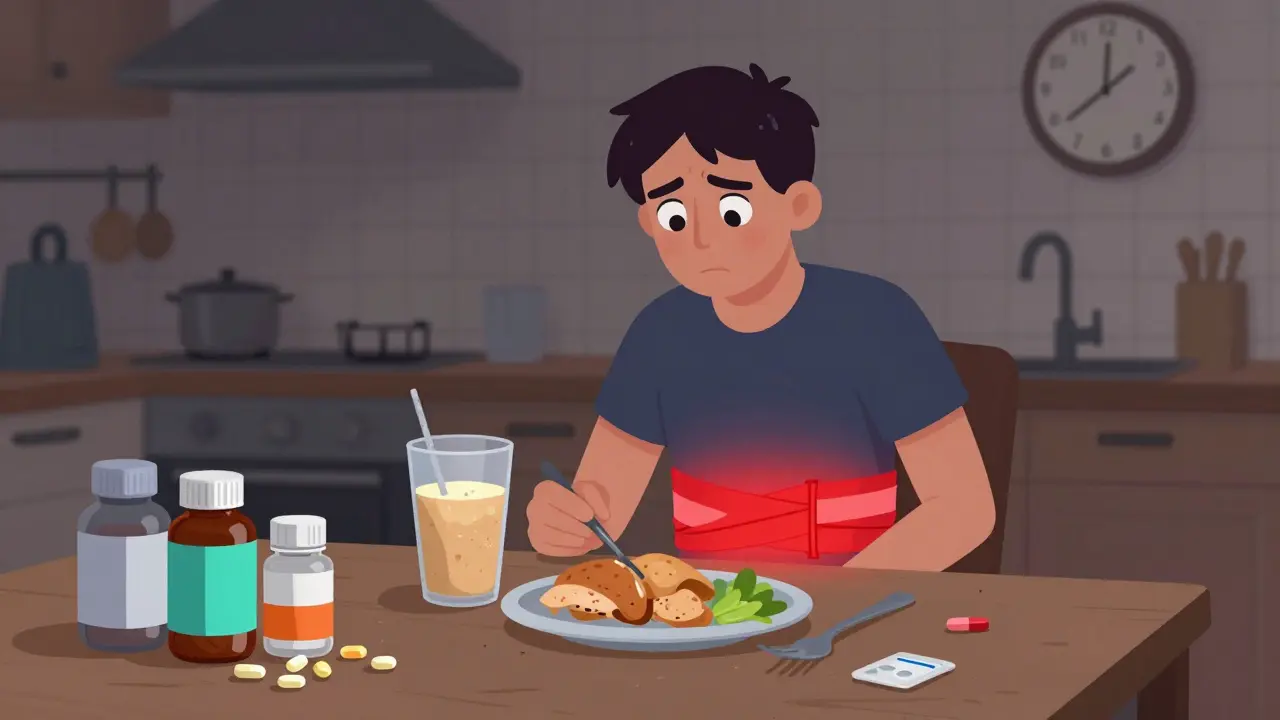
Chronic Pancreatitis: Managing Pain, Enzyme Therapy, and Nutrition
Chronic pancreatitis causes persistent pain, digestive issues, and malnutrition. Learn how enzyme therapy, targeted nutrition, and pain management strategies can improve daily life for those living with this condition.
View More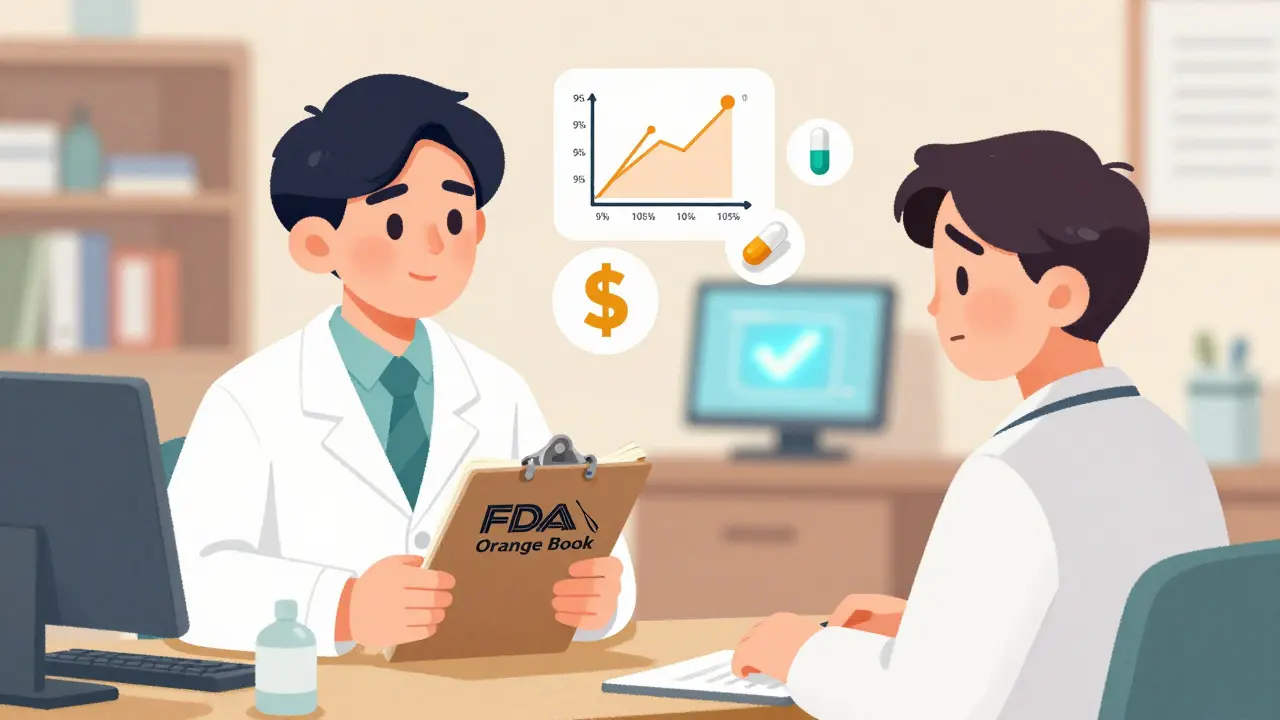
How Pharmacists Communicate Generic Recommendations to Prescribers
Pharmacists play a key role in recommending generic drugs to prescribers, improving adherence and cutting costs. Learn how they use FDA data, state laws, and clear communication to make safe substitutions.
View More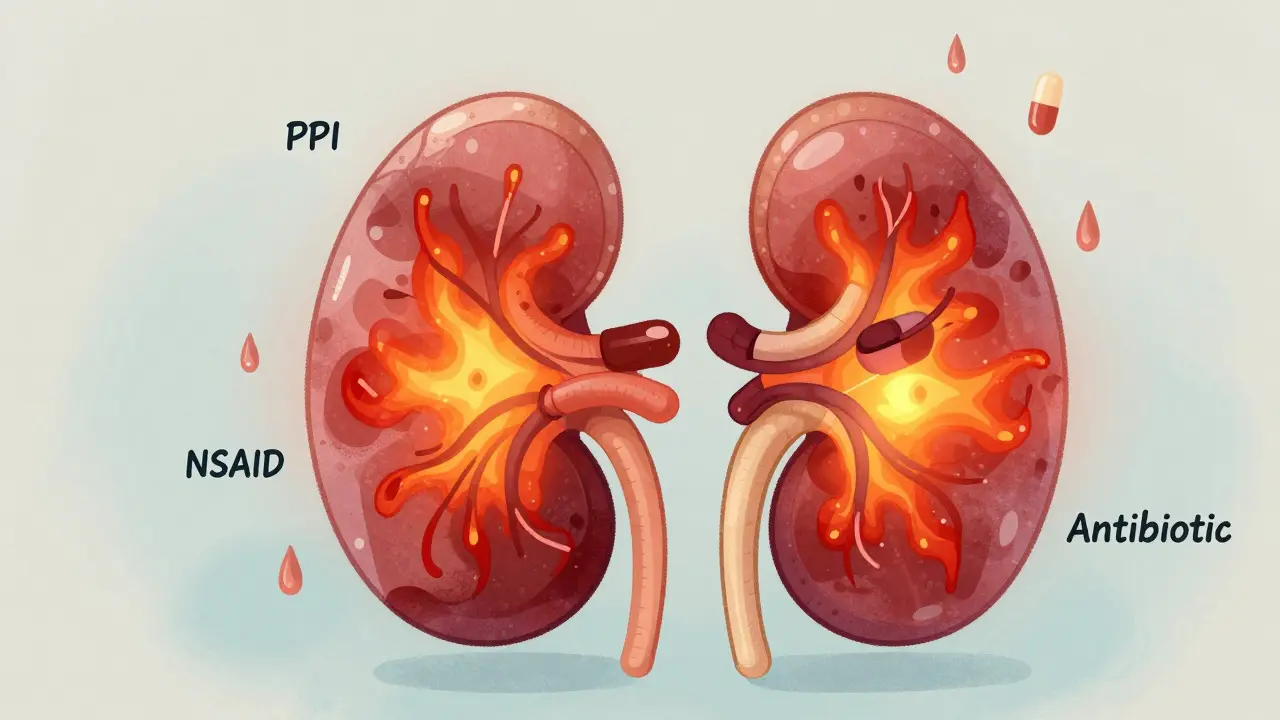
Acute Interstitial Nephritis: How Drugs Trigger Kidney Inflammation and What Recovery Really Looks Like
Acute interstitial nephritis is a hidden kidney injury often caused by common drugs like PPIs and NSAIDs. Early diagnosis and stopping the trigger can save kidney function-but many cases are missed. Here’s what recovery really looks like.
View More