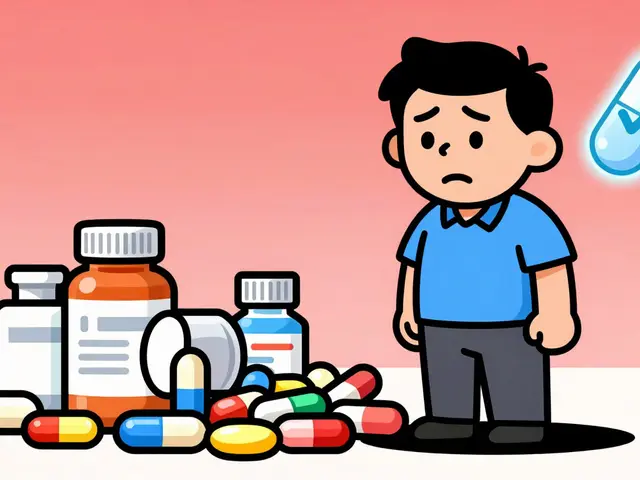
Keeping expired pills in your medicine cabinet isn’t just messy-it’s dangerous. Every year, thousands of children accidentally swallow medications they find at home. Teens grab leftover painkillers from old prescriptions. And every time you flush a pill or toss it in the trash without proper steps, you’re adding to the slow poison seeping into rivers and groundwater. The good news? You don’t need a special trip or expensive kit to do this right. Here’s how to safely dispose of expired medications at home-step by step, with real-world tips that actually work.
Why You Can’t Just Flush or Toss Them
Some people think flushing old pills is fine because they’ve seen it on TV or heard someone say it’s okay. But only 15 specific drugs-like fentanyl patches and certain opioid painkillers-are approved for flushing by the FDA. Even then, it’s a last-resort option because those chemicals still end up in water systems. In the UK, water companies report traces of pharmaceuticals in nearly every river tested. Flushing adds to that burden, even if you think it’s harmless. Tossing pills in the trash without preparation is worse. Someone-maybe a curious child, a homeless person, or even a pet-can dig through your bin and find them. Prescription labels still show your name, dosage, and condition. That’s identity risk and drug diversion risk rolled into one. The DEA estimates 23% of diverted opioids come from improperly discarded home medicine supplies.The Safe Home Disposal Method (FDA-Approved)
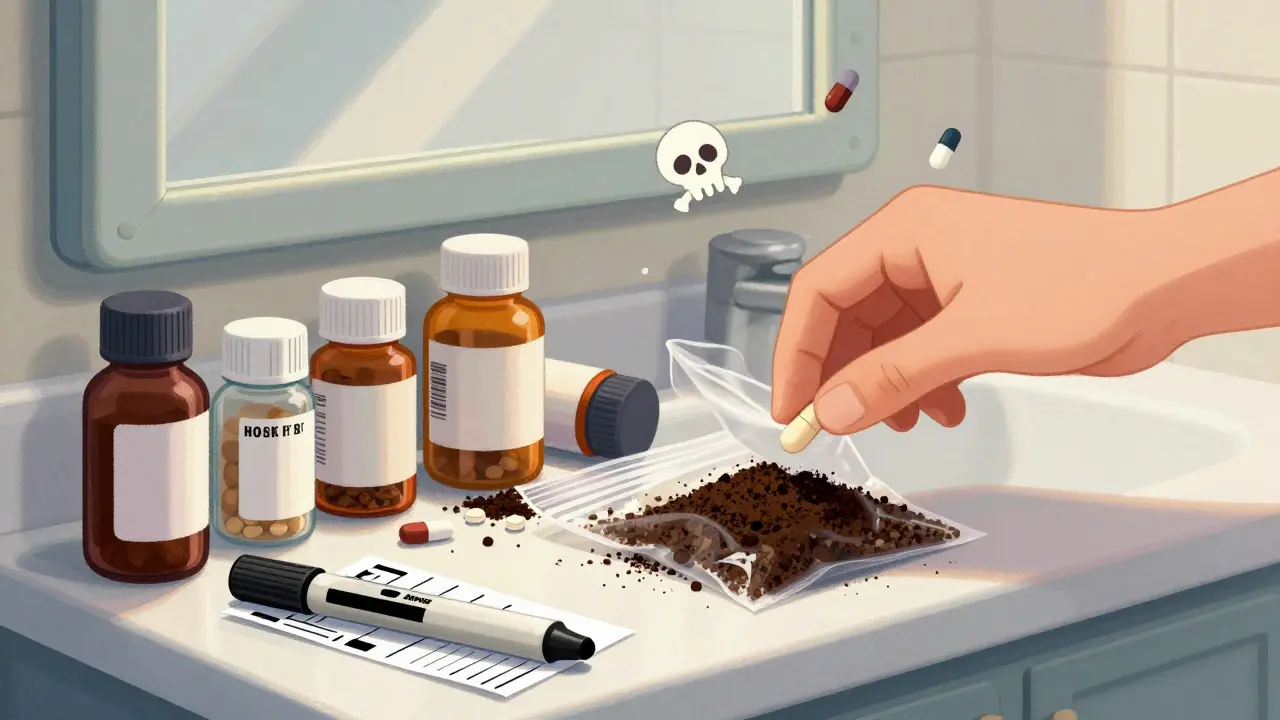
If you can’t get to a take-back location right away, the safest option is a simple five-step process that works with stuff you already have.- Take pills out of their original bottles. Don’t leave them in the prescription container. Those bottles are easy to identify and can be picked apart by someone looking for drugs.
- Mix them with something unappetizing. Use one cup (240ml) of used coffee grounds, cat litter, or even dirt. These materials make the pills look and smell disgusting. Don’t use sugar, salt, or cereal-they look like food. The goal is to make it look like trash, not a snack.
- Put the mixture in a sealable container. A resealable plastic bag (at least 2-mil thick) works. So does an empty yogurt tub or margarine container. Make sure it won’t leak. If you’re disposing of liquid medicine, pour it into the coffee grounds first, then seal it tight. Insulin and other temperature-sensitive liquids should be mixed immediately to prevent spills.
- Black out your personal info. Use a permanent marker to cover every bit of writing on the original bottle: your name, the doctor’s name, the pharmacy, the prescription number. Don’t just scribble-it needs to be completely unreadable. If you’re worried about privacy, do this step before you even remove the pills.
- Put the sealed container in your regular trash. Not recycling. Not compost. Not the garden. Your household waste goes to landfill, where it’s buried and contained. This is the least harmful option available to most people at home.
This method isn’t perfect-but it’s the best you can do without leaving your house. Studies show it reduces misuse risk by 82% compared to leaving pills in the cabinet. It doesn’t eliminate environmental impact entirely, but it makes it far less likely someone will find and use your meds.
What About Needles and Inhalers?
Needles, syringes, and lancets need special handling. Never toss them loose in the trash. Put them in a rigid plastic container like an empty detergent bottle with a tight lid. Make sure the walls are at least 1mm thick. Once full, seal it with strong tape and label it “SHARPS - DO NOT RECYCLE.” Take it to your local pharmacy or NHS disposal site. Most community pharmacies in the UK offer free sharps disposal bins. Inhalers are tricky. They’re pressurized. If crushed in a trash compactor, they can explode. Don’t puncture them. Don’t throw them in recycling. Take them to a pharmacy that accepts hazardous waste. Some NHS clinics or hospital pharmacies have special drop-off points. If you’re unsure, call your local pharmacy-they’ll tell you where to go.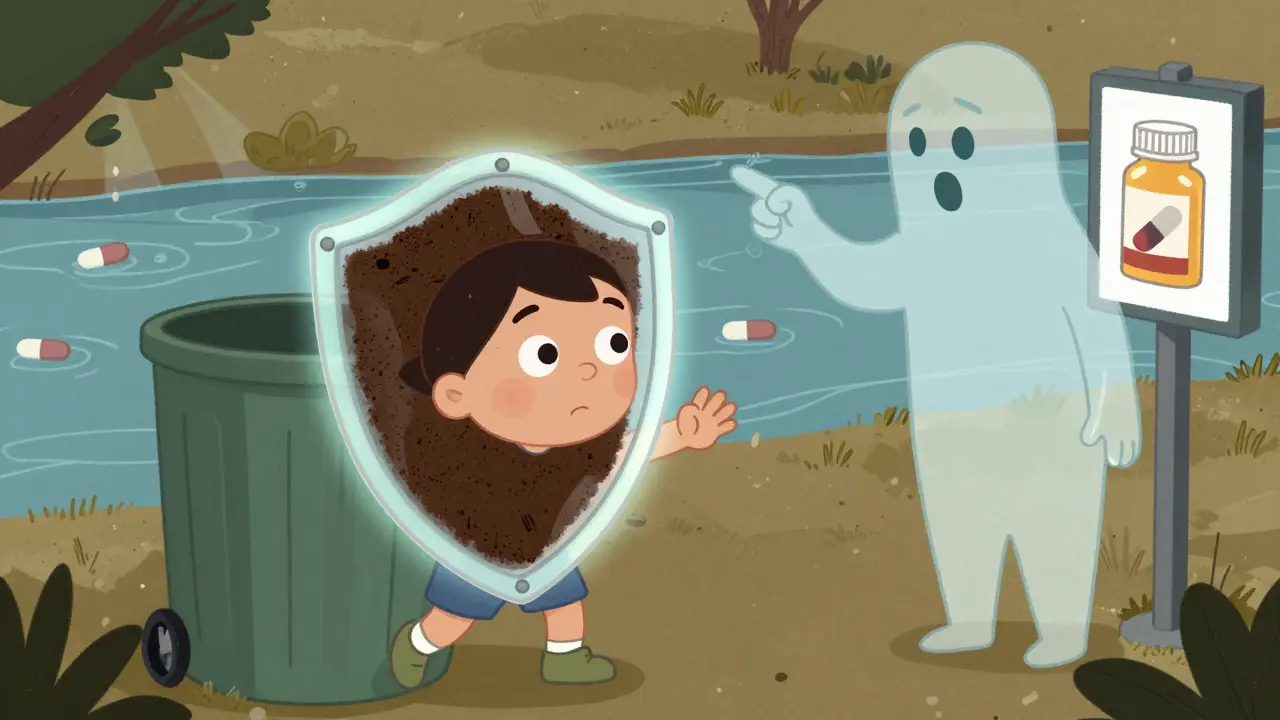
When to Use a Take-Back Program
The best way to dispose of expired meds? Take them to a collection site. In the UK, these are often run by pharmacies, hospitals, or local councils. Many offer year-round drop-off boxes. Others hold events twice a year, usually around the same time as the U.S. National Prescription Drug Take Back Day. You can find your nearest drop-off point by searching “medication disposal near me” on your local council’s website or contacting NHS 111. Pharmacies like Boots and Superdrug often have disposal kiosks inside. They accept solid pills and capsules, but not liquids, sharps, or inhalers. That’s why you still need the home method for those. Take-back programs destroy meds with high-heat incineration. That’s the only method that fully neutralizes drugs. The DEA reports 99.8% of collected meds are completely destroyed. No chemicals enter water or soil. No one can dig them out. If you can get to a drop-off within a week, do it. It’s the cleanest, safest option.What Not to Do
Here are the most common mistakes-and why they’re dangerous:- Don’t crush pills. Unless you’re using a special disposal packet like DisposeRx, crushing can release dust or fumes. Some pills are time-release. Crushing them makes them act all at once-potentially dangerous even if they’re expired.
- Don’t pour liquids down the sink. Even if it’s just a few drops, it adds to water contamination. Mix liquid meds with coffee grounds or cat litter first.
- Don’t reuse containers. That old pill bottle might look clean, but traces of medication can remain. Throw it away after you’ve removed the pills and blacked out the label.
- Don’t wait until you have a full cabinet. The longer you keep unused meds, the higher the chance someone uses them accidentally-or on purpose. Dispose of expired or unused drugs as soon as you notice them.
Prevent Future Waste
The best way to avoid disposal problems? Don’t collect so much in the first place. Ask your GP or pharmacist: “Do I really need this much?” Many prescriptions are written for 30 pills, but you only take 7. Request smaller quantities. If you’re on long-term meds, ask about refill schedules that match your actual use. Keep a small box in your bathroom or kitchen labeled “Expired or Unused Meds.” Check it every three months. Toss anything you haven’t used in the last year. That includes vitamins, cough syrup, and leftover antibiotics. Antibiotics are especially dangerous if kept-people sometimes save them for future infections, which can lead to antibiotic resistance.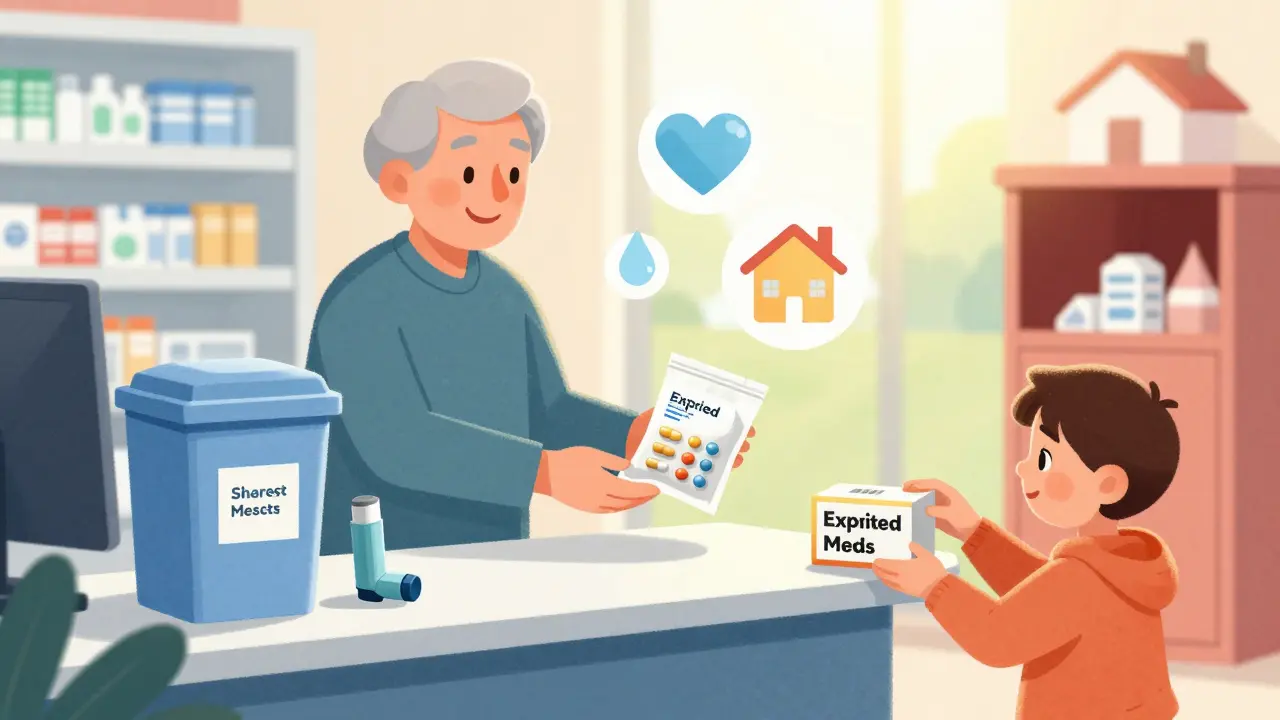
Help Others Do It Right
If you live with older relatives, kids, or roommates, don’t assume they know how to dispose of meds safely. Many seniors still flush pills because that’s what they were told to do decades ago. Show them the steps. Leave a note by the trash can: “Used coffee grounds + permanent marker = safe disposal.” If you’re a caregiver, keep a small disposal kit ready: a permanent marker, a few resealable bags, and a jar of used coffee grounds. It takes less than five minutes to set up and saves lives.What If You Accidentally Expose Someone?
If a child swallows a pill, or someone inhales crushed medication, call 111 immediately. In the UK, NHS 111 connects you to trained nurses who can guide you through emergency steps. Don’t wait for symptoms. Don’t try to make them vomit. Get help fast. Poison control isn’t just for overdoses. Even a single expired tablet can cause serious reactions in children, pets, or people with allergies.Can I recycle empty pill bottles?
No. Most recycling programs don’t accept pill bottles because they’re made of mixed plastics and may still contain trace amounts of medication. Even if you wash them, it’s not safe to assume they’re clean. Throw them in the regular trash after removing the label and blacking out personal info.
What if I don’t have coffee grounds or cat litter?
Use dirt from your garden, sand, or even used tea leaves. The goal is to make the pills look and smell unappealing. Avoid anything that looks like food-like sugar, cereal, or powdered drink mix. If you’re out of everything, seal the pills in a bag, black out the label, and throw them in the trash. It’s not ideal, but better than leaving them exposed.
Are there free disposal services in the UK?
Yes. Most NHS pharmacies offer free take-back bins for unused or expired medications. Some local councils run collection events or have permanent drop-off points at community centres. Call your nearest pharmacy or check your council’s website. You don’t need to pay for safe disposal.
Can I dispose of veterinary medications the same way?
Yes. Pet meds-like flea treatments, antibiotics, or painkillers-should be disposed of the same way as human medications. Mix with coffee grounds or cat litter, seal in a bag, and throw in the trash. Never flush them. If you’re unsure, ask your vet. Many veterinary clinics accept old pet meds for proper disposal.
How often should I clean out my medicine cabinet?
Every three months. Check for expired items, bottles you haven’t opened in over a year, or medicines prescribed for a condition you no longer have. Keep only what you’re actively using. A clean cabinet reduces clutter, confusion, and risk.
Final Thought: One Bottle at a Time
You don’t need to fix the whole system to make a difference. You just need to handle your own meds the right way. One bottle properly disposed of means one less pill in a child’s hand. One less chance for someone to misuse a prescription. One less chemical leaking into the water. It’s not glamorous. It’s not a viral trend. But it’s one of the most responsible things you can do for your family, your community, and the environment. Do it now. Do it right. And remind someone else to do the same.Popular Posts