Author: Keshia Glass
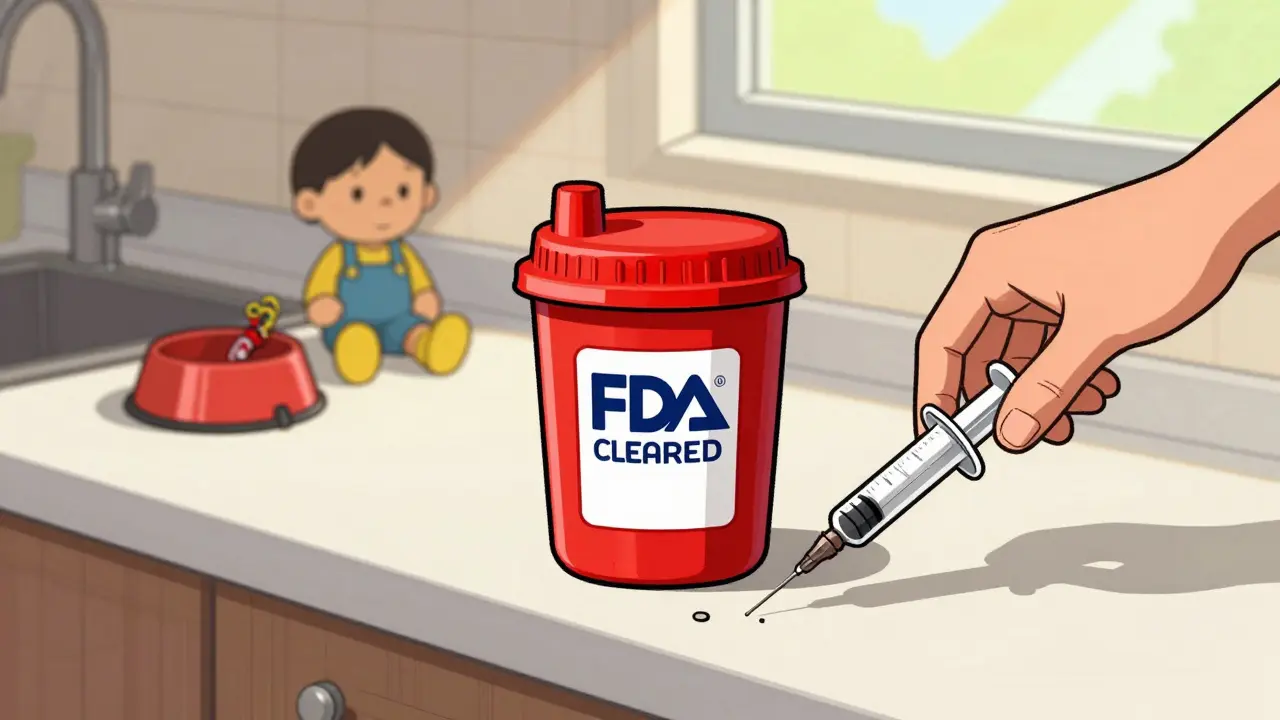
How to Dispose of Sharps and Needles from Injected Medications Safely
Learn how to safely dispose of needles and sharps from home injections. Follow FDA and CDC guidelines to prevent injuries, avoid disease, and protect your family and community.
View More
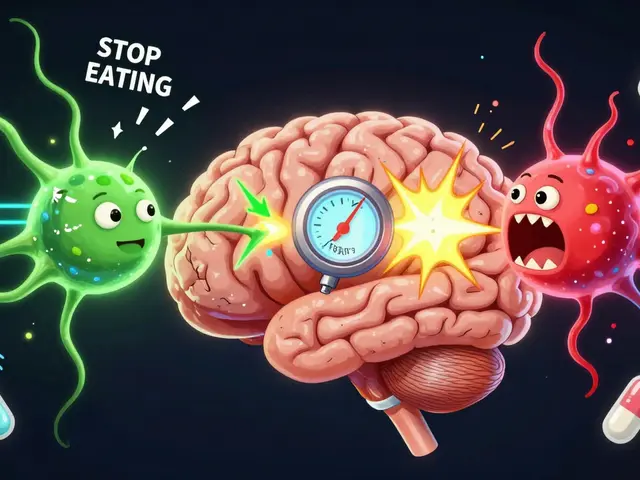
Social Anxiety Disorder: How Beta-Blockers and Behavioral Therapy Work Together
Beta-blockers like propranolol can reduce physical symptoms of social anxiety during events like public speaking, but they don't treat the underlying fear. Behavioral therapy is the only proven way to achieve lasting recovery.
View More
Crossing Time Zones with Insulin: How to Adjust Doses Safely for Travel
Traveling across time zones with insulin can be risky without the right plan. Learn how to adjust your doses safely for eastbound and westbound flights, what experts recommend, and how to avoid dangerous lows and highs during travel.
View More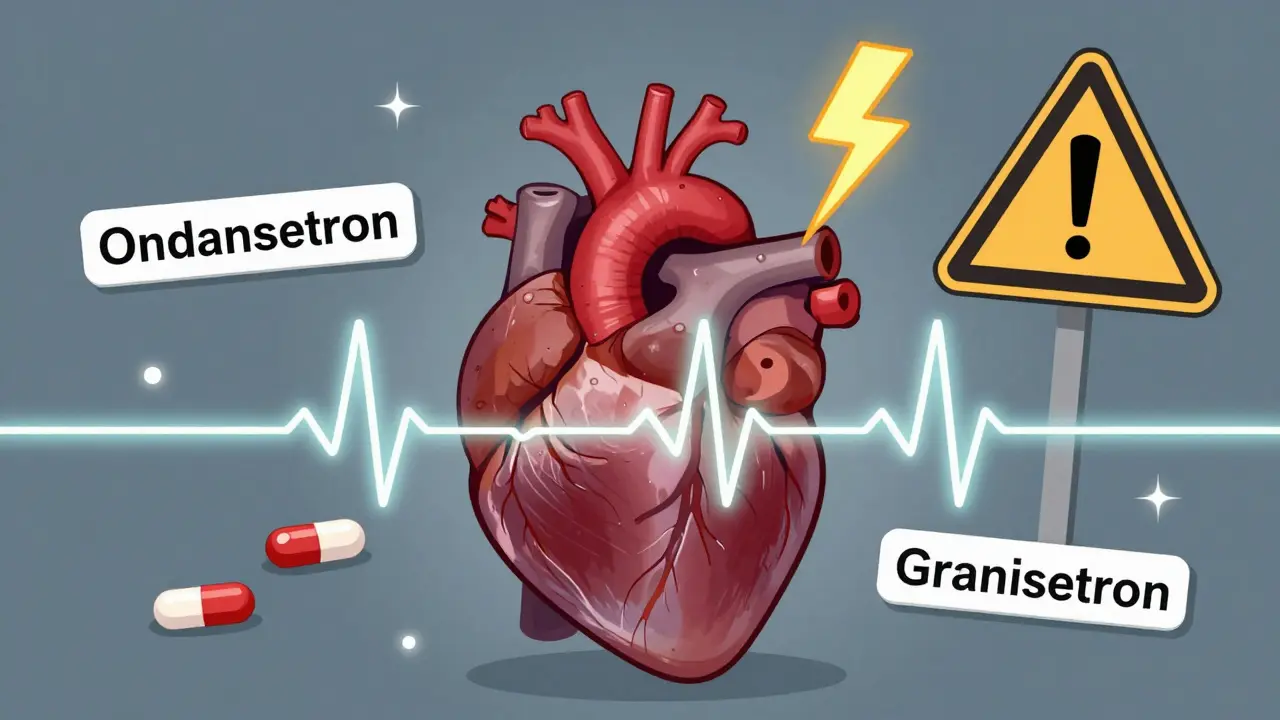
Antiemetics and Cardiac Risks: QT Prolongation and Drowsiness Explained
Not all antiemetics are safe for everyone. Some can dangerously prolong the QT interval or cause extreme drowsiness. Learn which drugs carry the highest risks and what safer alternatives exist.
View More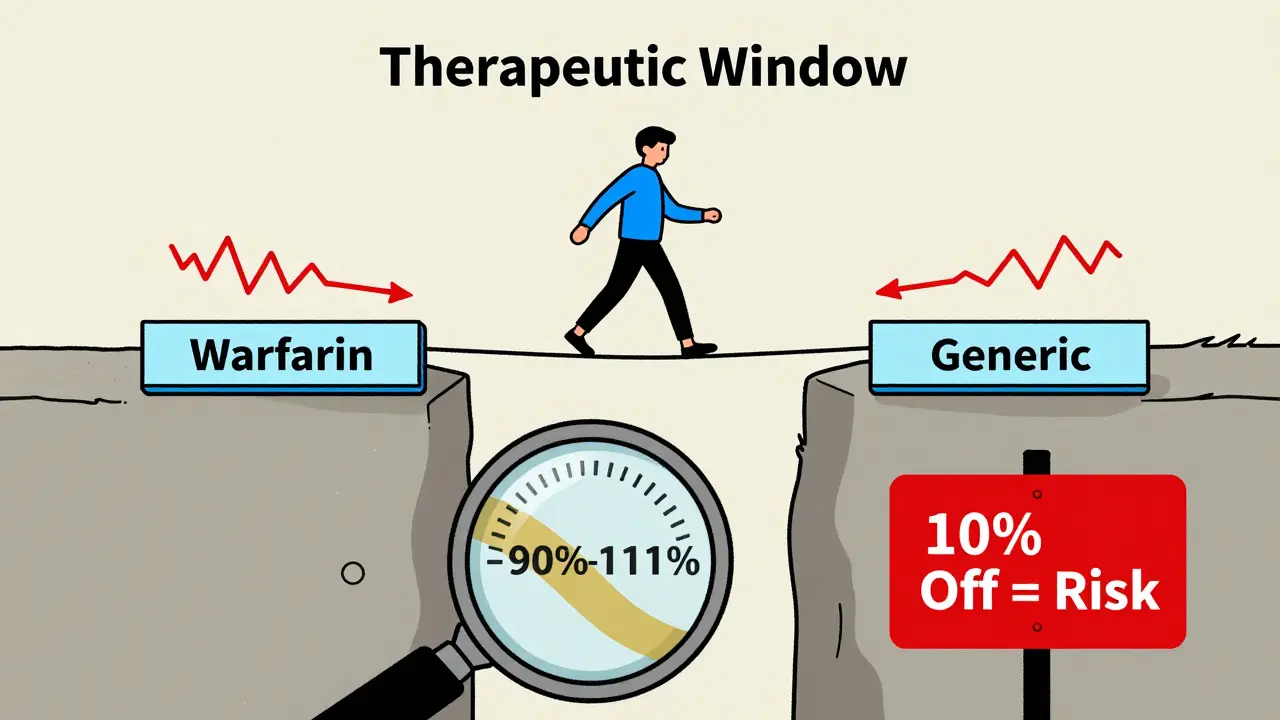
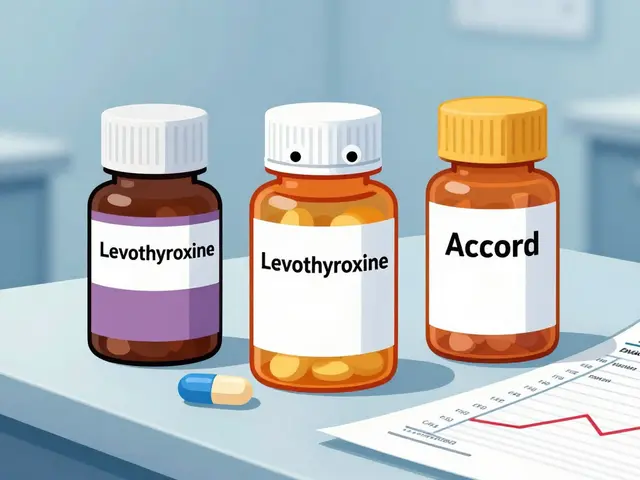
Bridging Studies for NTI Generics: Ensuring Safety and Efficacy
Bridging studies for NTI generics ensure that life-saving generic drugs like warfarin and levothyroxine are as safe and effective as brand versions. These complex, costly studies tighten bioequivalence standards to protect patients from dangerous dosing errors.
View More
Gabapentinoids and Fetal Development: What the Latest Evidence Shows
Gabapentin and pregabalin are commonly used during pregnancy for pain and seizures, but new evidence shows risks like heart defects, preterm birth, and NICU admissions. Here’s what you need to know.
View More
ALS Care: Noninvasive Ventilation and Nutrition Strategies That Extend Life
Noninvasive ventilation and proper nutrition are the two most effective ways to extend life and improve quality of life for people with ALS. Learn how NIV and PEG tubes work, when to start them, and why timing makes all the difference.
View More
Diabetes Medication Interactions: Drug Combinations That Need Caution
Certain diabetes drug combinations can cause dangerous drops or spikes in blood sugar. Learn which ones to avoid, why they’re risky, and what safer alternatives exist based on 2025 guidelines.
View More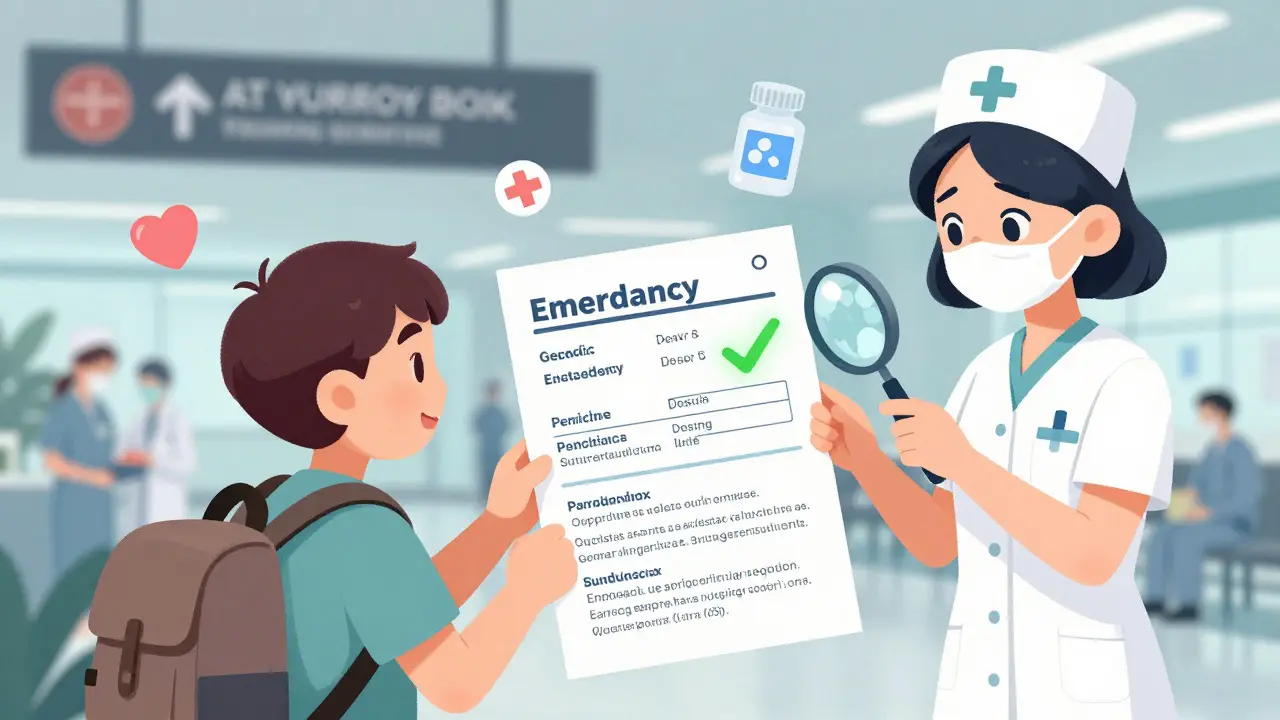
How to Keep a Medication List in Multiple Languages for Emergencies
A multilingual medication list can prevent deadly errors during medical emergencies abroad. Learn how to create, update, and carry one in your language and the local language for travel safety.
View More
Questions to Ask Your Pharmacist About Potential Drug Interactions
Knowing what to ask your pharmacist about drug interactions can prevent dangerous side effects, hospital visits, and medication failures. Learn the key questions and tips to stay safe with your medications.
View More
How to Check Medication Strength and Quantity on Prescription Labels
Learn how to read medication strength and quantity on prescription labels to avoid dangerous dosing errors. A simple check can prevent life-threatening mistakes.
View More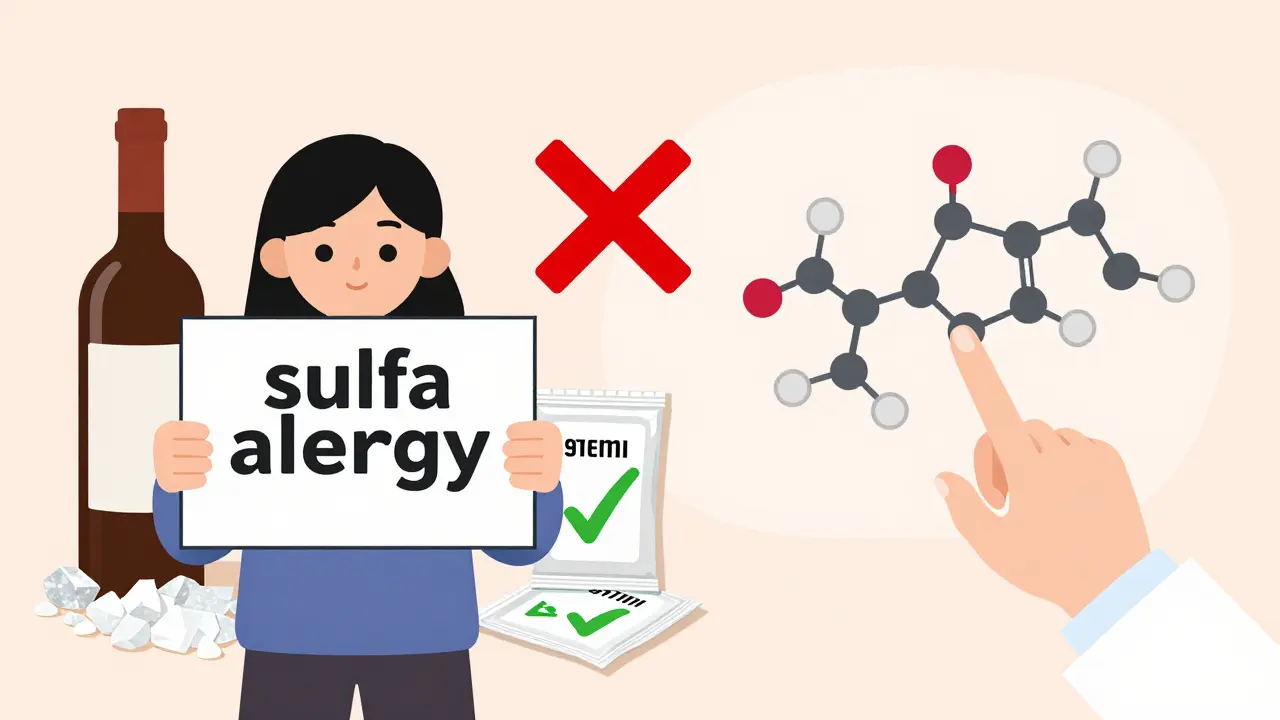
Sulfa Drug Allergies: Clarifying Cross-Reactivity with Other Medications
Many people think a 'sulfa allergy' means avoiding all sulfur-containing medications, but this is a common misconception. This article explains which drugs truly cross-react and which are safe, based on current medical research. Proper allergy documentation can prevent unnecessary restrictions and improve treatment options.
View More