Medication Safety: Avoid Dangerous Interactions, Contaminants, and Errors
When you take a pill, you expect it to help—not hurt. But medication safety, the practice of using drugs correctly to avoid harm. Also known as drug safety, it’s not just about following the label. It’s about understanding what your meds are doing to your body, how they react with other things you take, and whether what’s in the bottle is even what it claims to be. Many people think if a drug is approved by the FDA or sold at a pharmacy, it’s automatically safe. That’s not true. Dangerous interactions, contaminated generics, and silent side effects are hiding in plain sight.
Drug interactions, when two or more substances affect each other’s behavior in your body. Also known as medication clashes, it’s one of the top causes of preventable hospital visits. Grapefruit can turn your blood pressure med into an overdose. A common painkiller like ibuprofen can wreck your heart medication. Even something as simple as switching from one brand of levothyroxine to another can throw off your thyroid levels if you’re not monitored. And don’t assume natural means safe—herbal supplements like St. John’s wort can cancel out antidepressants or make blood thinners deadly. These aren’t rare cases. They happen every day.
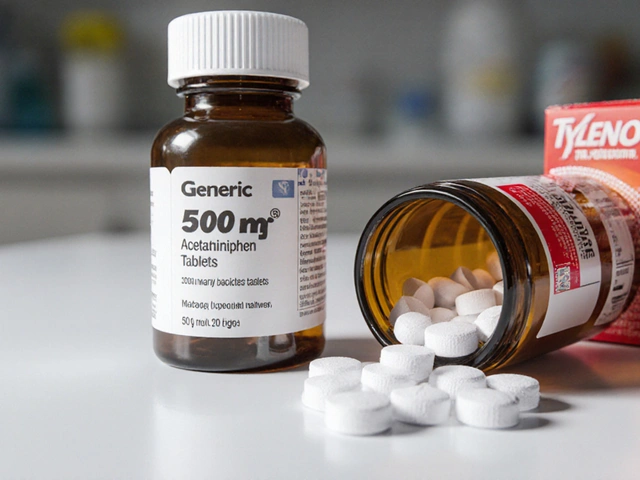
Generic drug safety, whether cheaper versions of brand-name drugs perform the same without hidden risks. Also known as generic medication reliability, it’s a growing concern. Recent recalls have found cancer-causing chemicals like NDMA and benzene in common generics. Some heart meds work fine as generics. Others? Patients report new side effects after switching. The FDA says they’re equivalent. Real people say otherwise. That’s why keeping a medication journal—tracking how you feel after each switch—isn’t just smart, it’s essential.
And then there’s supplement interactions, how vitamins, herbs, and over-the-counter products mess with prescription drugs. Also known as herbal-drug conflicts, they’re rarely discussed. You might think turmeric is harmless. But it can thin your blood like aspirin. Omega-3s can boost the effect of anticoagulants. Even vitamin C can interfere with some chemo drugs. Most people don’t tell their doctor about their supplements. That’s a mistake. Your pharmacist should know everything you’re taking—not just the prescriptions.
Medication safety also includes things you don’t think about: language barriers, fatigue from beta-blockers, or how to ask your doctor about overdose risk without feeling judged. It’s about knowing when to demand a translator at the pharmacy. It’s about realizing that your probiotic might be the only thing keeping your gut from shutting down during antibiotics. It’s about understanding that your SSRIs might be increasing your bleeding risk during surgery—or that your bone density could be dropping because of epilepsy meds.
This collection isn’t about theory. It’s about real stories, real risks, and real fixes. You’ll find clear comparisons between drugs you’re actually taking—like prazosin vs. clonidine for PTSD, or Soolantra vs. metronidazole for rosacea. You’ll see how contamination in generics is affecting people right now. You’ll learn what to track in a medication journal, how to spot dangerous combos, and what to say when your pharmacy won’t give you an interpreter. These aren’t abstract ideas. They’re the things that keep you alive.
What follows are guides written by people who’ve seen the gaps in the system. They don’t sugarcoat. They don’t assume you’re an expert. They just tell you what you need to know to stay safe—before it’s too late.
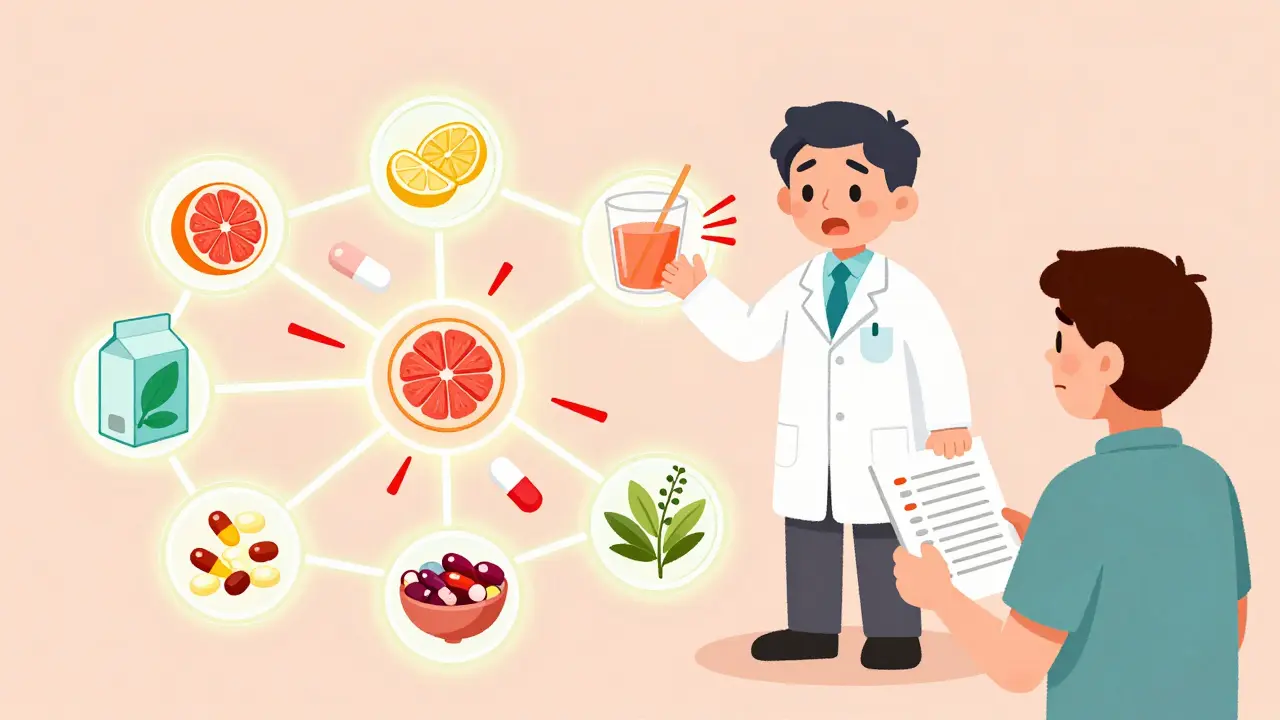
Questions to Ask Your Pharmacist About Potential Drug Interactions
Knowing what to ask your pharmacist about drug interactions can prevent dangerous side effects, hospital visits, and medication failures. Learn the key questions and tips to stay safe with your medications.
View More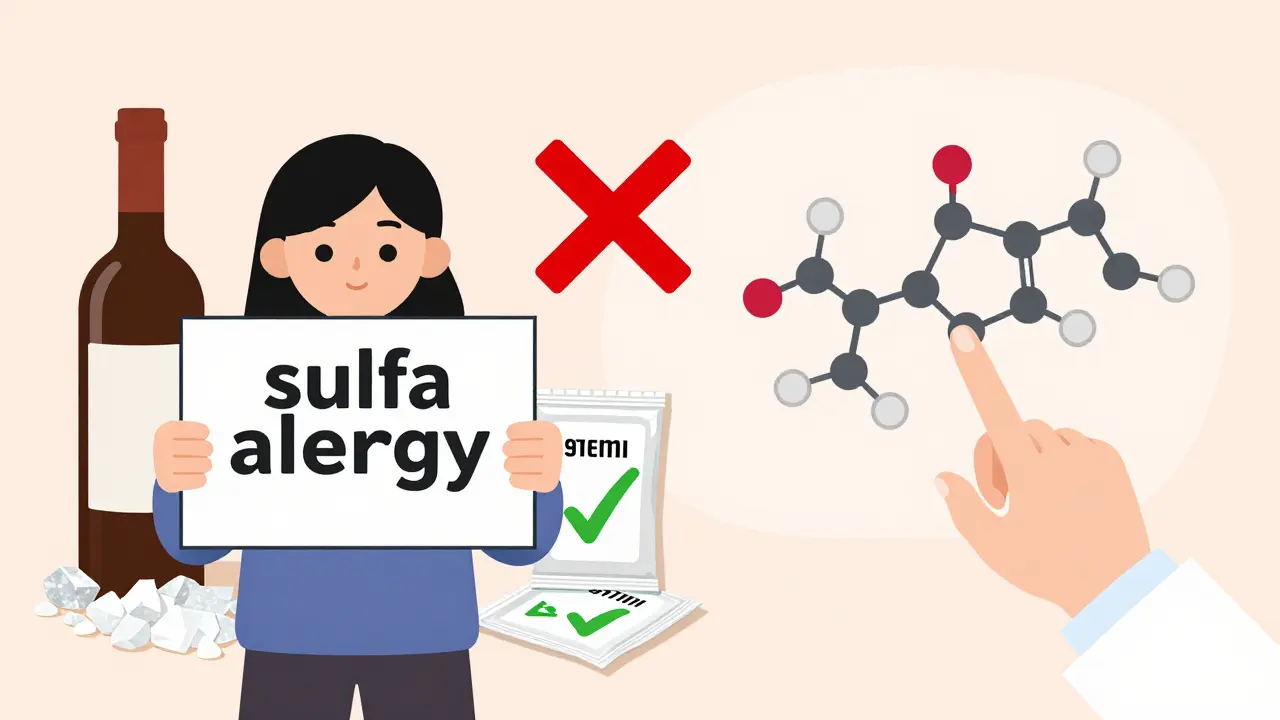
Sulfa Drug Allergies: Clarifying Cross-Reactivity with Other Medications
Many people think a 'sulfa allergy' means avoiding all sulfur-containing medications, but this is a common misconception. This article explains which drugs truly cross-react and which are safe, based on current medical research. Proper allergy documentation can prevent unnecessary restrictions and improve treatment options.
View More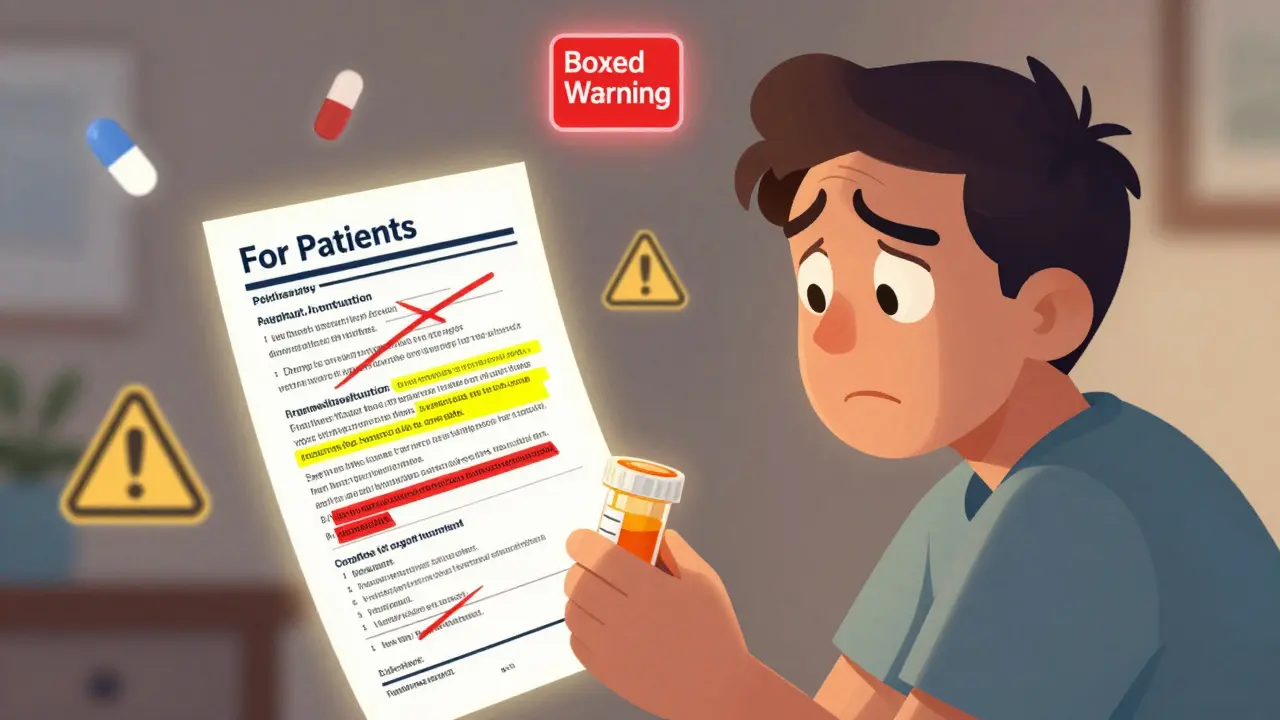
How to Read FDA Safety Communications for Your Medications
Learn how to read FDA safety communications about your medications - what they mean, how to spot urgent warnings, and what steps to take as a patient or caregiver. Stay informed without being overwhelmed.
View More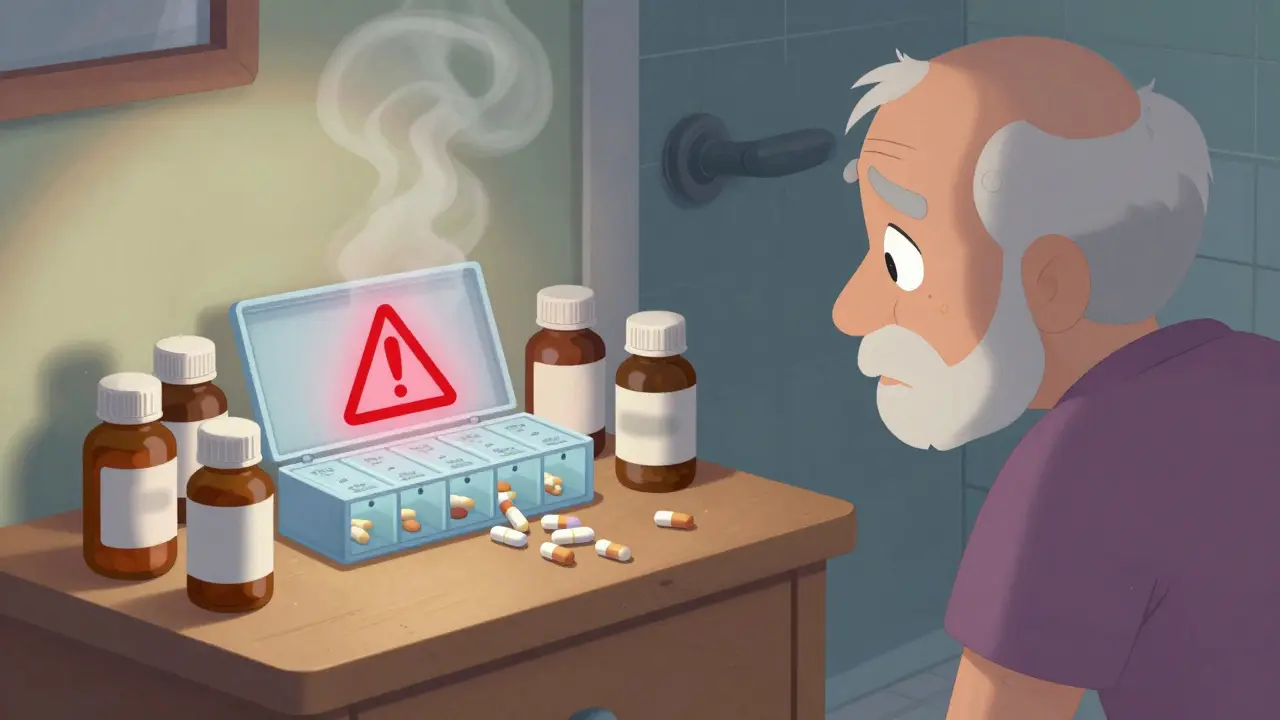
How to Use a Pill Organizer Safely Without Overdosing
Learn how to use a pill organizer correctly to avoid accidental overdose. Discover what meds to keep out, how to fill safely, where to store it, and when to use smart devices or get pharmacist help.
View More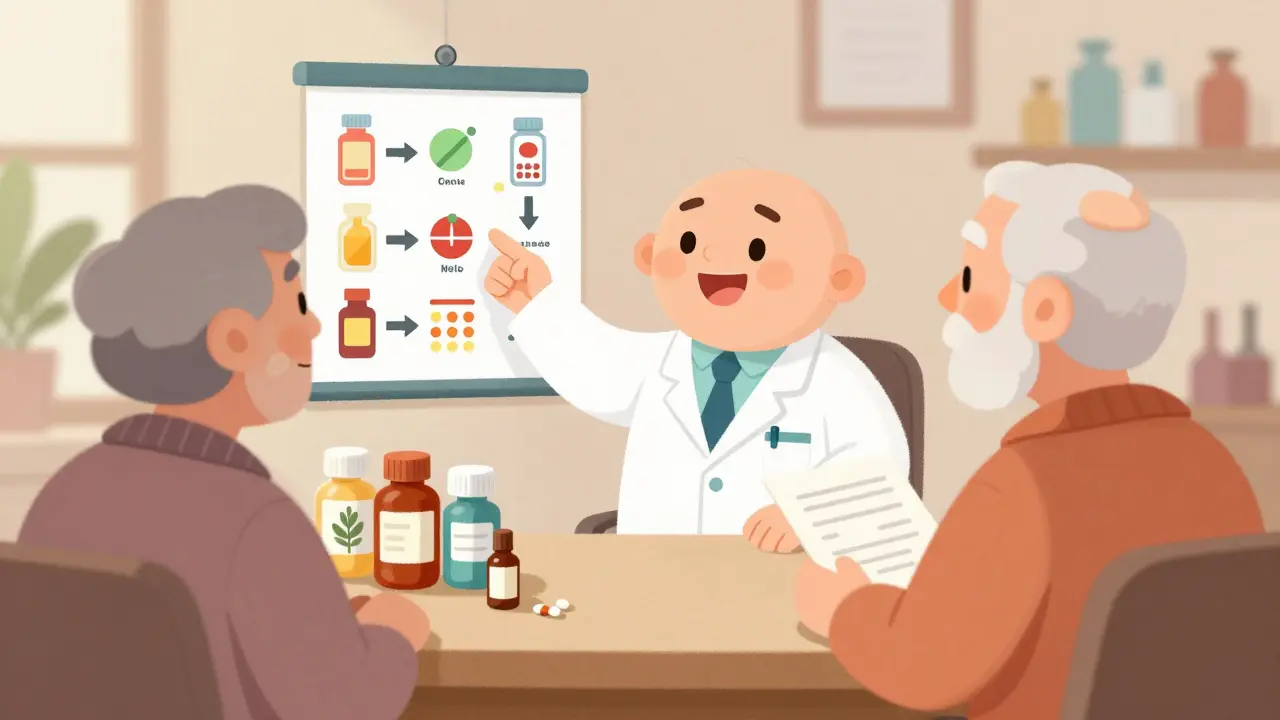
How to Use Your Pharmacy’s Consultation Service for Medication Safety
Learn how to use your pharmacy’s consultation service to avoid dangerous drug interactions, reduce side effects, and save money on prescriptions. Pharmacists can catch errors doctors miss - and it’s often free.
View More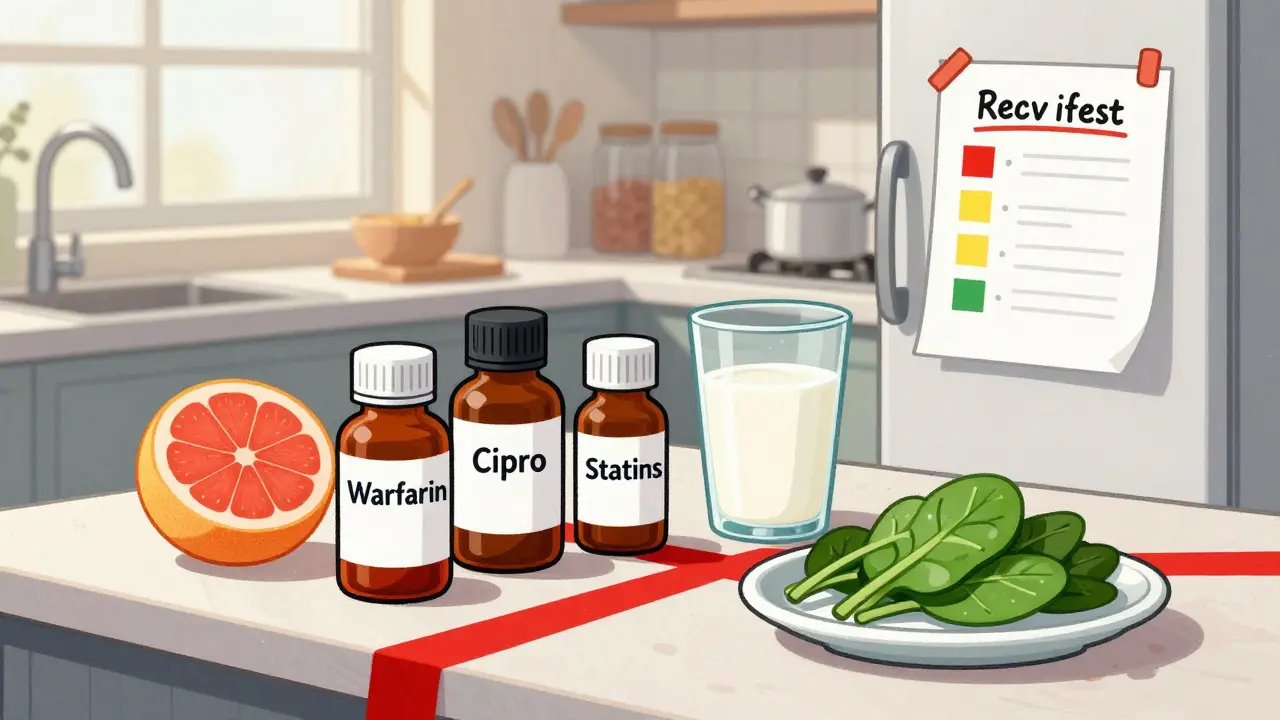
How to Create a Food and Medication Interaction Checklist at Home
Create a personalized food and medication interaction checklist at home to prevent dangerous reactions. Learn which foods to avoid with common meds like warfarin, statins, and antibiotics, and how to update it weekly for safety.
View More
How Patients Can Prevent Medication Errors and Stay Safe
Patients play a vital role in preventing medication errors. Learn how keeping a list, asking questions, and checking pills can reduce harm and save lives.
View More
How to Read the Safety and Warnings Sections of Prescription Drug Labels
Learn how to read the safety and warnings on prescription drug labels to avoid dangerous side effects and drug interactions. Understand black box warnings, pharmacy stickers, and what to do when you're unsure.
View More
How to Train Yourself to Check Labels Before Every Dose for Medication Safety
Learn how to build a simple, life-saving habit of checking medication labels before every dose. Reduces medication errors by 76% and works for anyone managing multiple prescriptions.
View More