Category: Medications - Page 4
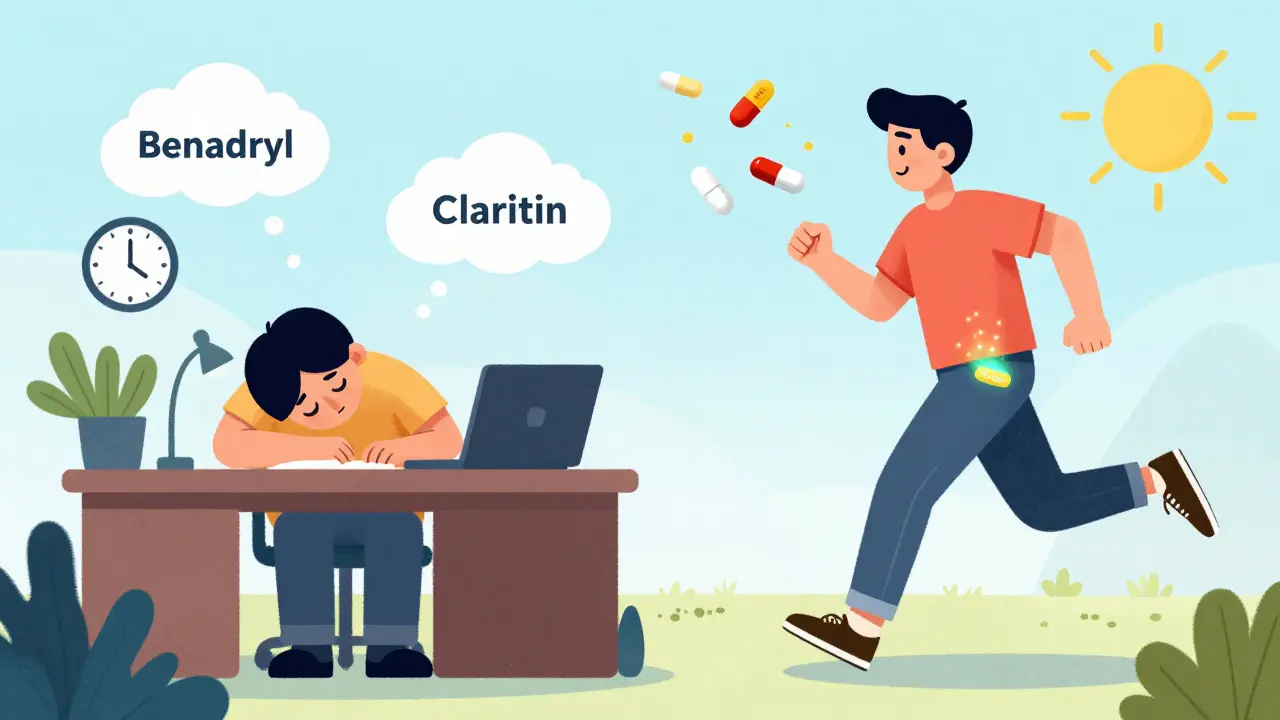
Second-Generation Antihistamines: Safer, Non-Sedating Options for Allergy Relief
Second-generation antihistamines like loratadine, cetirizine, and fexofenadine offer effective allergy relief with far less drowsiness than older options. Learn how they work, what they treat, and which one might be right for you.
View More
Authorized Biologic Alternatives: How Biosimilars Work Like Generics
Biosimilars are the closest thing to generics for complex biologic drugs. Learn how they work, how they differ from traditional generics, and why they’re changing access to life-saving treatments.
View More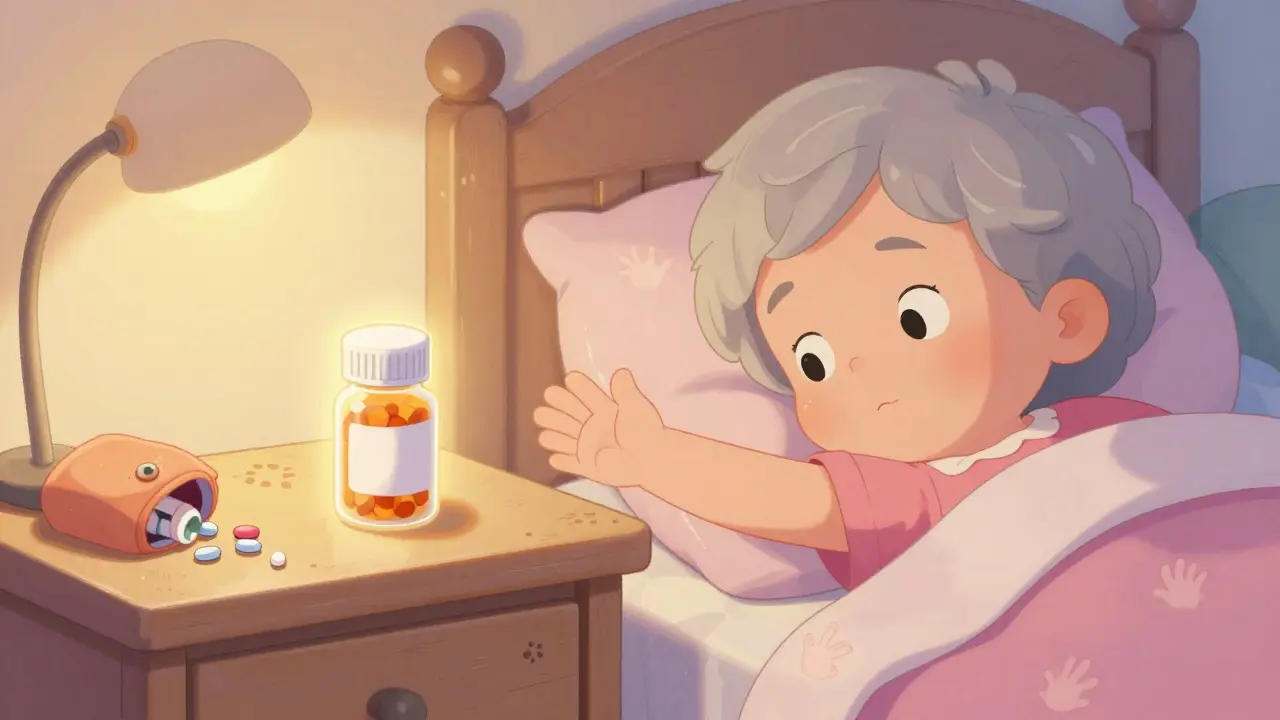
How to Involve Grandparents and Caregivers in Pediatric Medication Safety
Over a third of pediatric medicine poisonings involve grandparents. Learn practical, proven ways to help grandparents store medications safely-without causing offense-and reduce the risk to children.
View More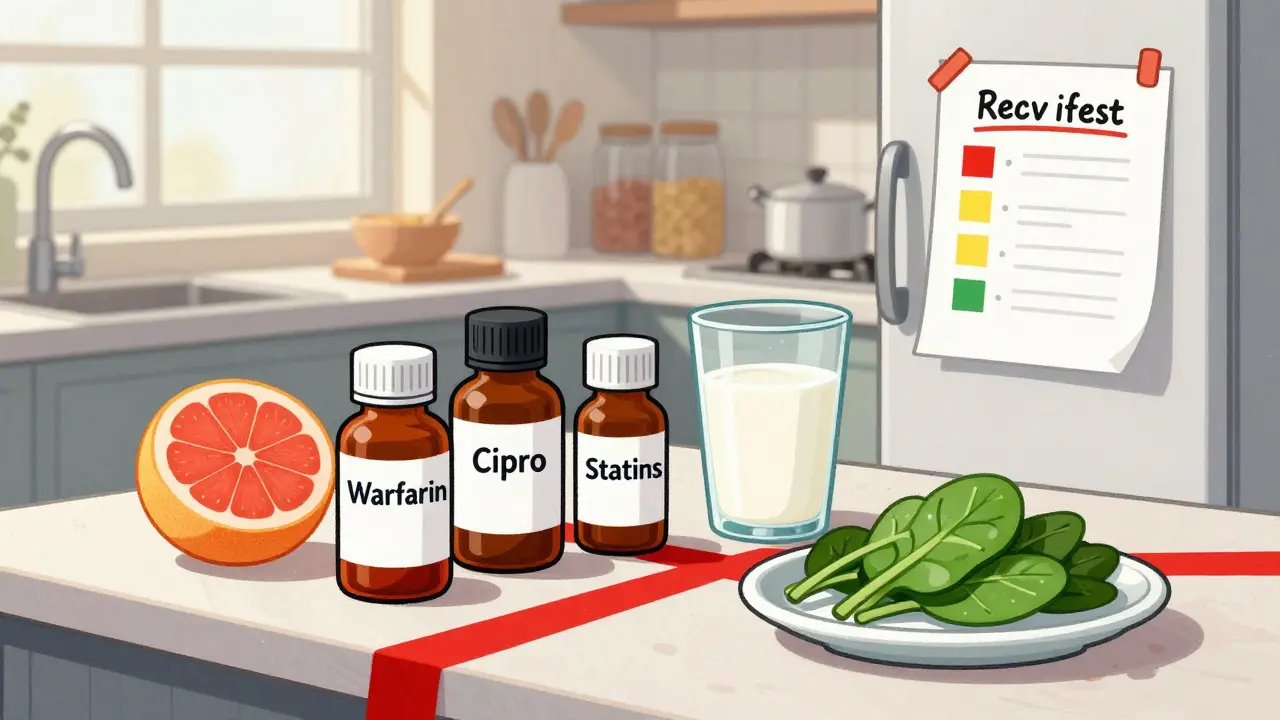
How to Create a Food and Medication Interaction Checklist at Home
Create a personalized food and medication interaction checklist at home to prevent dangerous reactions. Learn which foods to avoid with common meds like warfarin, statins, and antibiotics, and how to update it weekly for safety.
View More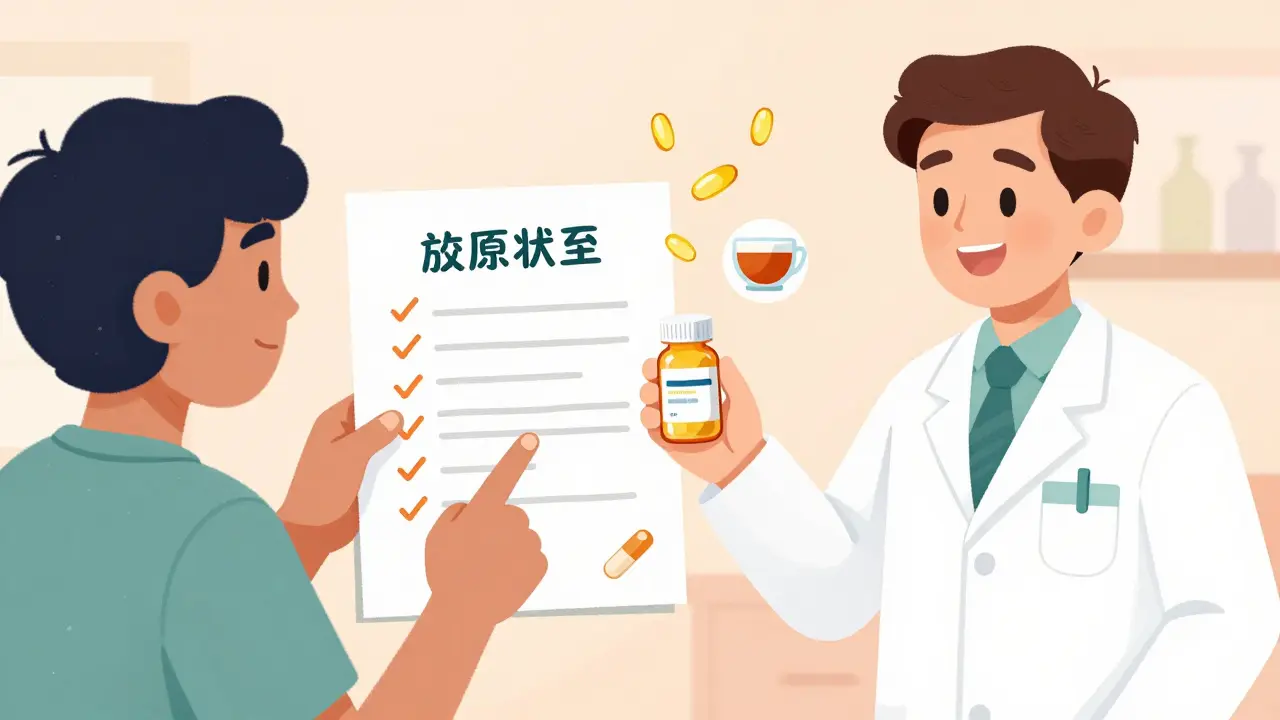
How Patients Can Prevent Medication Errors and Stay Safe
Patients play a vital role in preventing medication errors. Learn how keeping a list, asking questions, and checking pills can reduce harm and save lives.
View More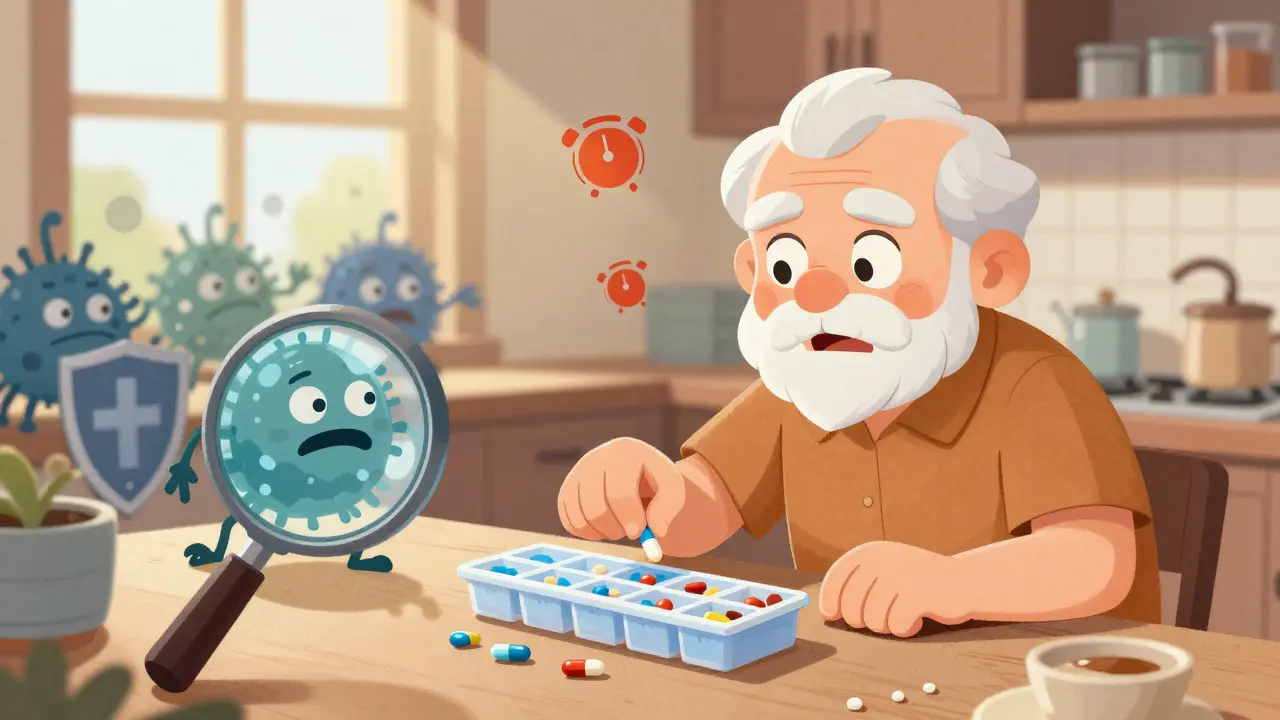
Antibiotic Stewardship at Home: How to Finish Your Course and Dispose of Unused Pills Safely
Learn why finishing your antibiotic course and disposing of leftovers properly is crucial to stop superbugs. Practical steps for home use, backed by CDC and NHS guidelines.
View More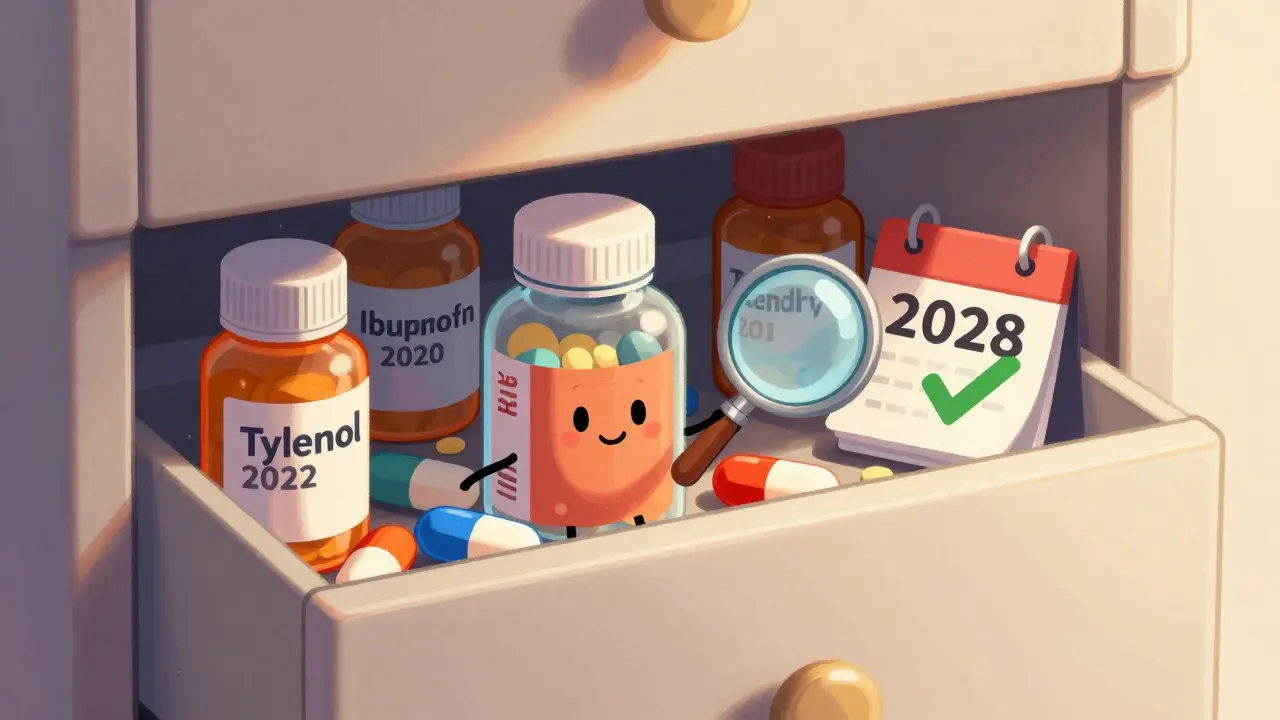
OTC Medication Expiration Dates: What Really Matters and What You Can Ignore
Most OTC meds don't become dangerous after expiration-just less effective. Learn which pills are still safe to use, which ones to toss, and how storage makes all the difference.
View More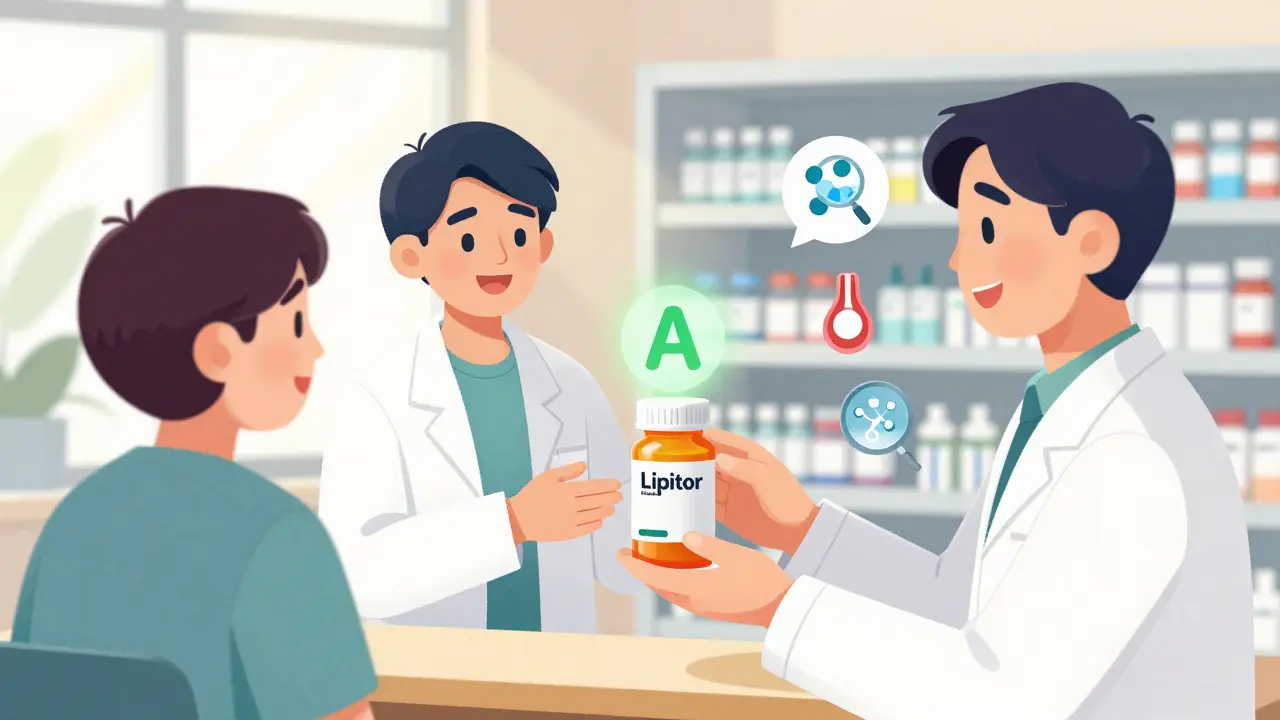
Therapeutic Equivalence Codes (TE Codes) Explained: How Generic Drugs Are Approved and Substituted
Therapeutic Equivalence Codes (TE Codes) are the FDA's system for identifying generic drugs that are safe and effective substitutes for brand-name medications. Learn how they work, why they matter, and how they save billions in healthcare costs.
View More
How to Ask for 90-Day Supplies to Reduce Pharmacy Trips
Learn how to get a 90-day supply of your maintenance medications to cut pharmacy trips in half, save money, and improve adherence. Simple steps for insurance, doctors, and pharmacies.
View More
When to Seek a Second Opinion About Medication Side Effects
Knowing when to get a second opinion about medication side effects can prevent serious health risks. Learn the warning signs, what to bring to your appointment, and how to navigate the process effectively.
View More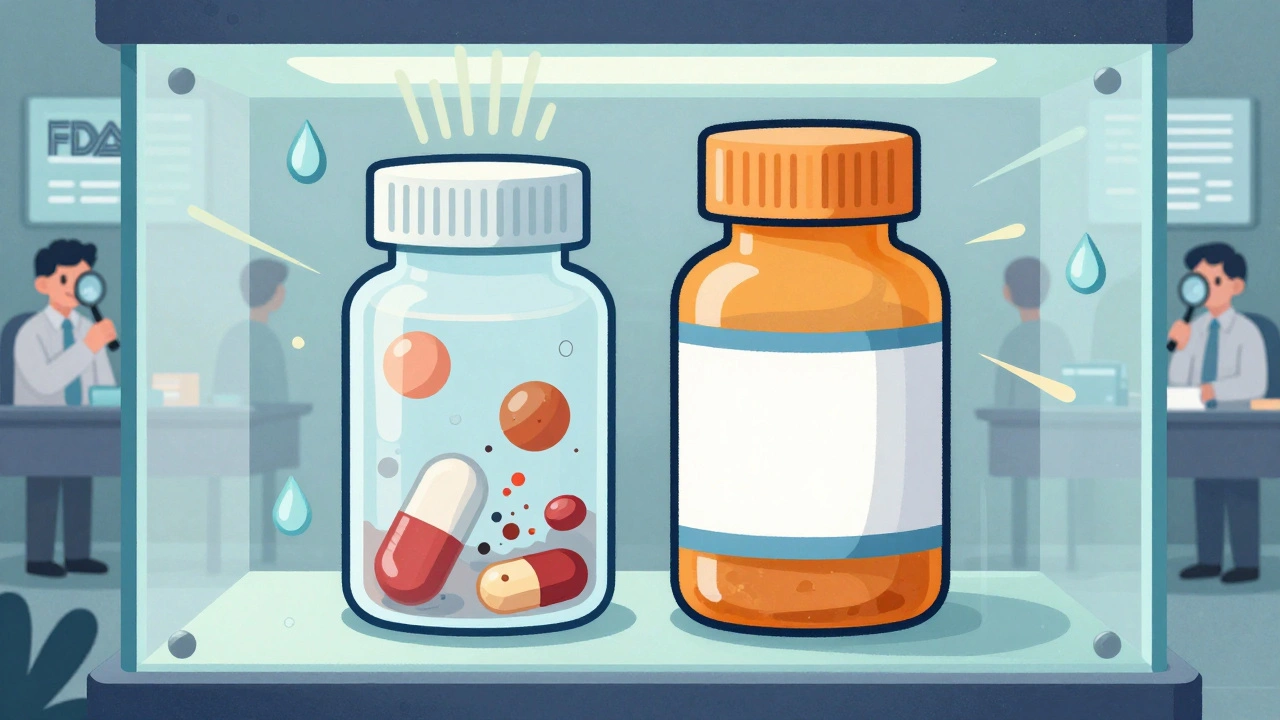
Stability Testing for Generics: FDA Requirements Explained
Learn exactly what the FDA requires for stability testing of generic drugs, including batch size, testing timelines, common failures, and how 2025 updates are changing the game.
View More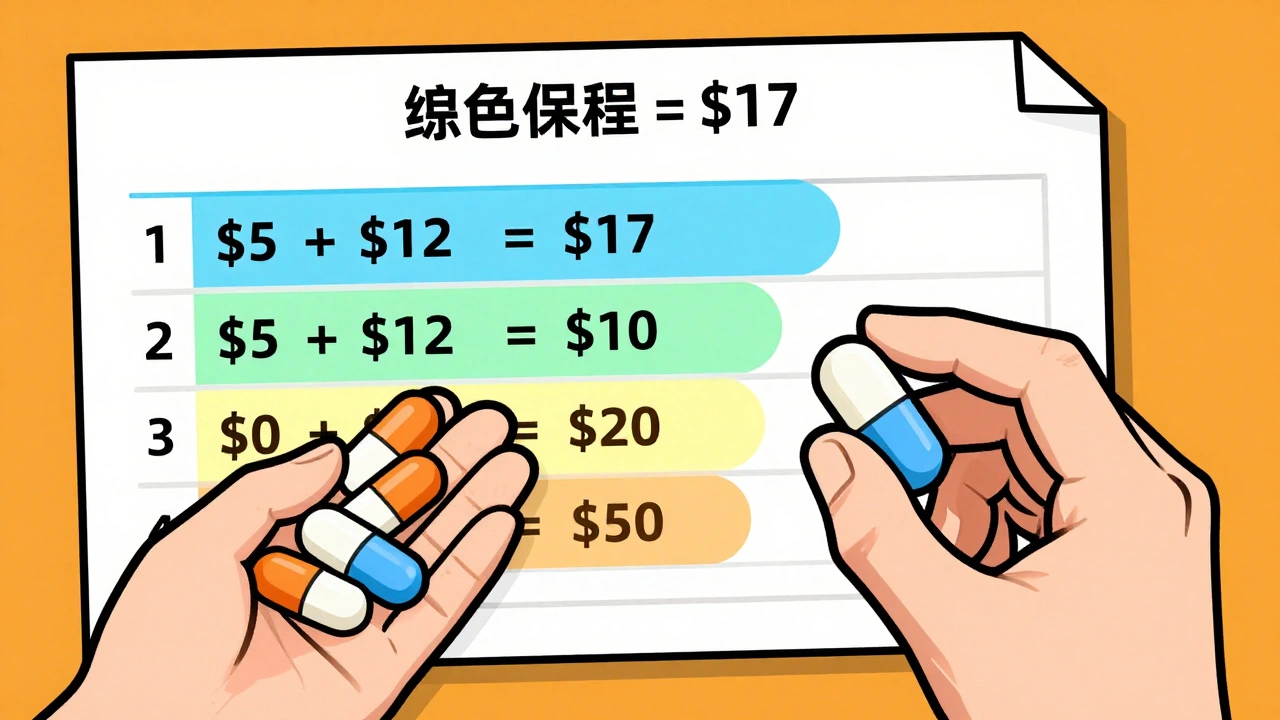
Insurance Coverage of Generic Combinations vs Individual Generics: What You Pay and Why
Generic combination drugs can save money-but insurance coverage often makes them cost more than taking two separate generics. Learn how tiers, formularies, and plan design affect your out-of-pocket costs.
View MorePopular Posts