Category: Medications - Page 2
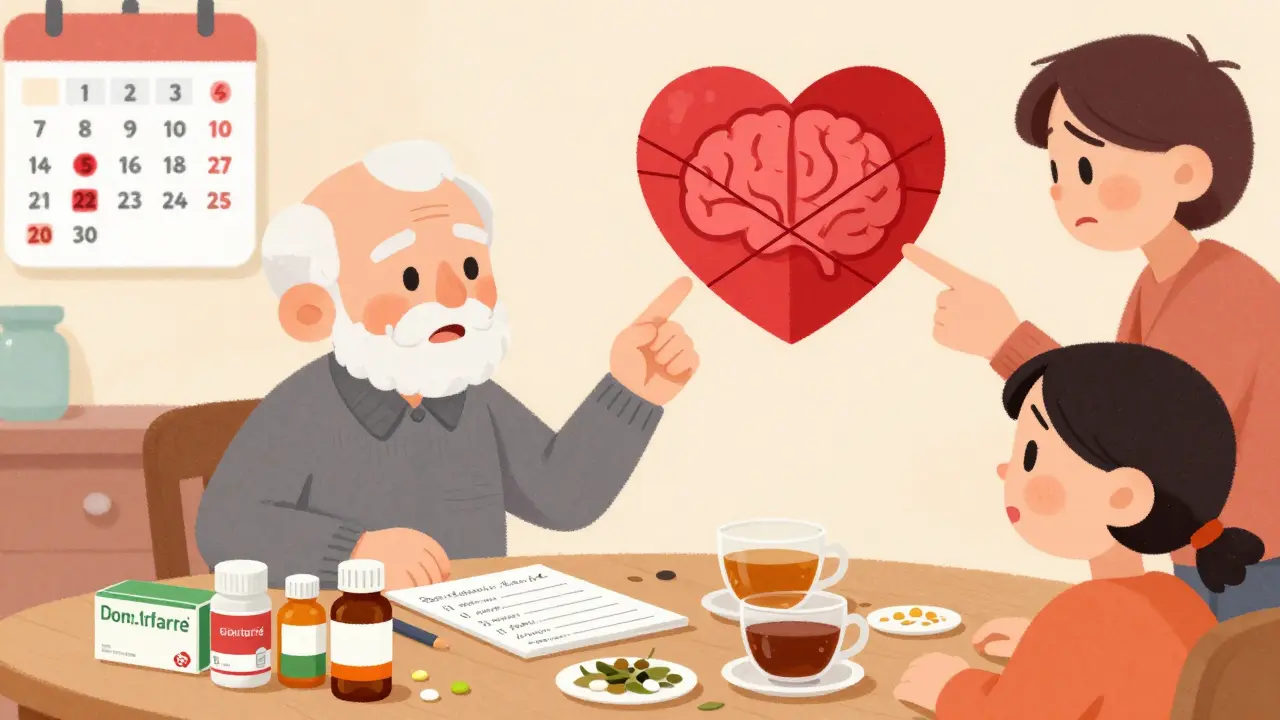
How to Prevent Drug-Drug Interactions in Elderly Patients
Elderly patients are at high risk for dangerous drug interactions due to polypharmacy and age-related changes. Learn how the Beers Criteria, STOPP, and NO TEARS tools help prevent adverse events, and what patients and providers can do to stay safe.
View More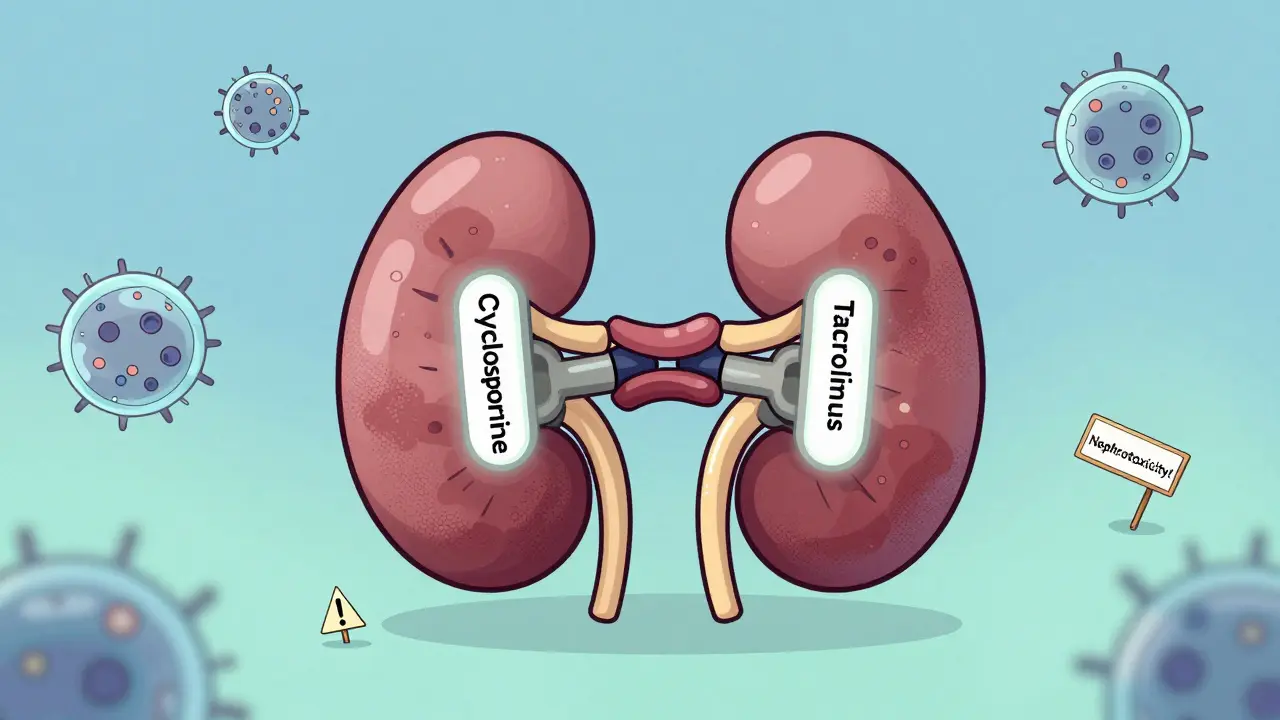
Cyclosporine and Tacrolimus Side Effects: What You Need to Know About Calcineurin Inhibitors
Cyclosporine and tacrolimus are essential immunosuppressants after organ transplants, but they carry serious side effects like kidney damage, tremors, and diabetes. Learn how they compare, what to watch for, and how doctors are reducing their risks.
View More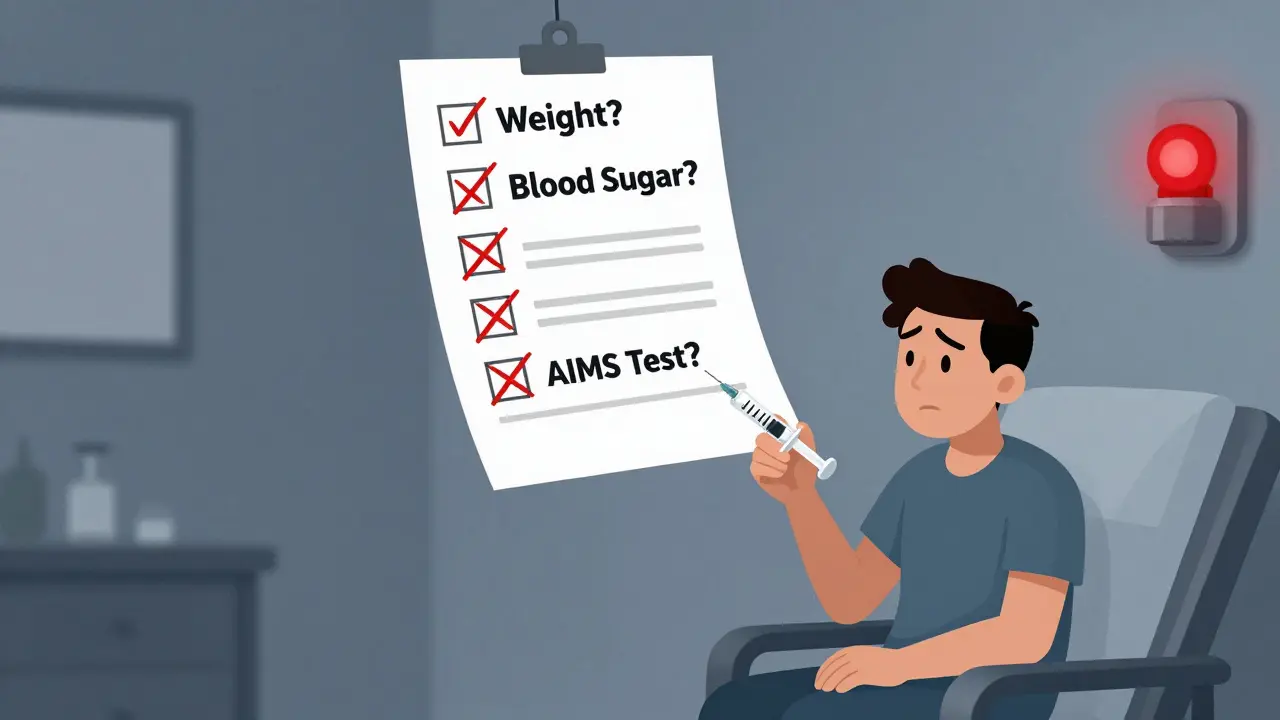
Long-Acting Injectables: Why Extended Side Effect Monitoring Can’t Be Ignored
Long-acting injectable antipsychotics improve adherence but carry serious physical side effects. Despite guidelines, many clinics fail to monitor for weight gain, diabetes, movement disorders, and other risks-putting patients in danger.
View More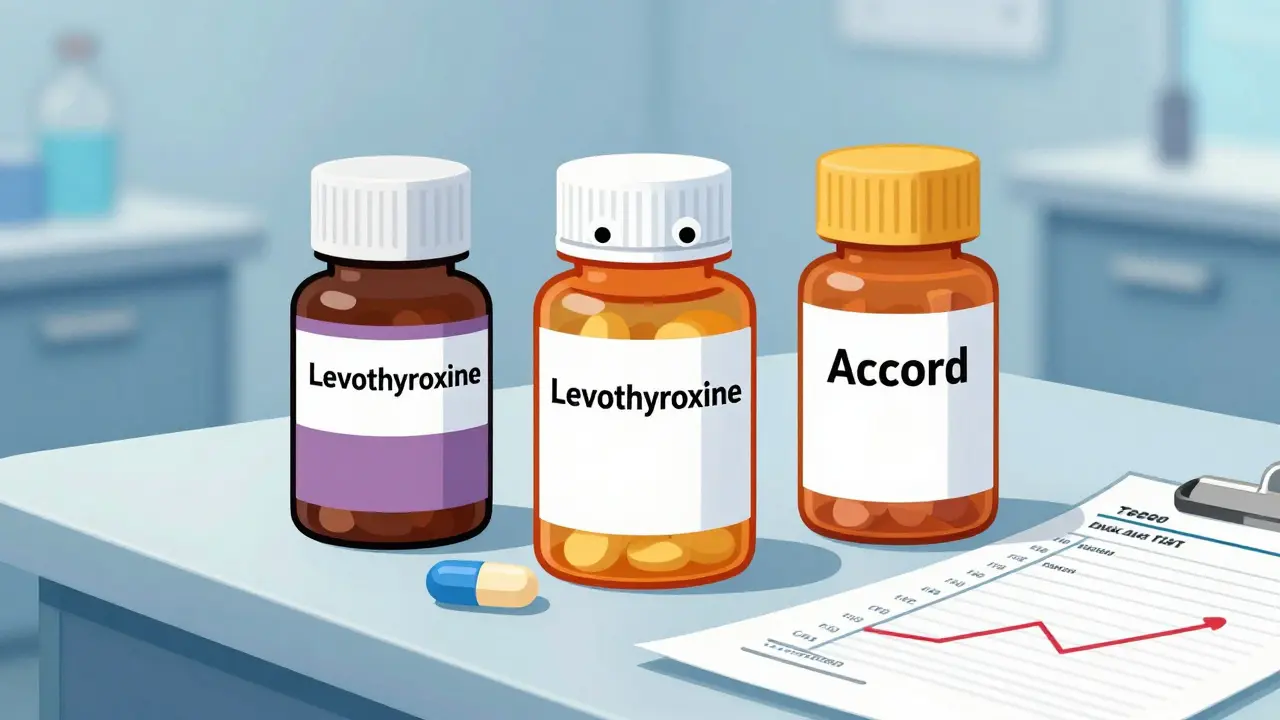
Multiple Manufacturers: NTI Drugs and Switching Between Generics
NTI drugs like warfarin, levothyroxine, and lithium have a narrow safety margin. Switching between generic manufacturers can affect blood levels and cause serious side effects-even when FDA-approved. Learn how to protect yourself.
View More
Replicate Study Designs: Advanced Methods for Bioequivalence Assessment
Replicate study designs are essential for assessing bioequivalence of highly variable drugs. They reduce sample sizes, improve success rates, and enable regulatory acceptance through reference-scaling. Learn which design to use, how to avoid common pitfalls, and what the industry is doing in 2026.
View More
How to Reduce Pill Burden with Combination Medications for Seniors
Combination medications help seniors take fewer pills daily, improving adherence and reducing health risks. Learn how single-pill combos work, their benefits, risks, and how to talk to your doctor about switching.
View More
How to Communicate With Your Pharmacy During Generic Drug Transitions
Learn how to communicate with your pharmacy during generic drug transitions to avoid side effects, insurance issues, and medication gaps. Get practical tips on when to speak up, what to ask, and how to stay in control.
View More
How to Read FDA Safety Communications for Your Medications
Learn how to read FDA safety communications about your medications - what they mean, how to spot urgent warnings, and what steps to take as a patient or caregiver. Stay informed without being overwhelmed.
View More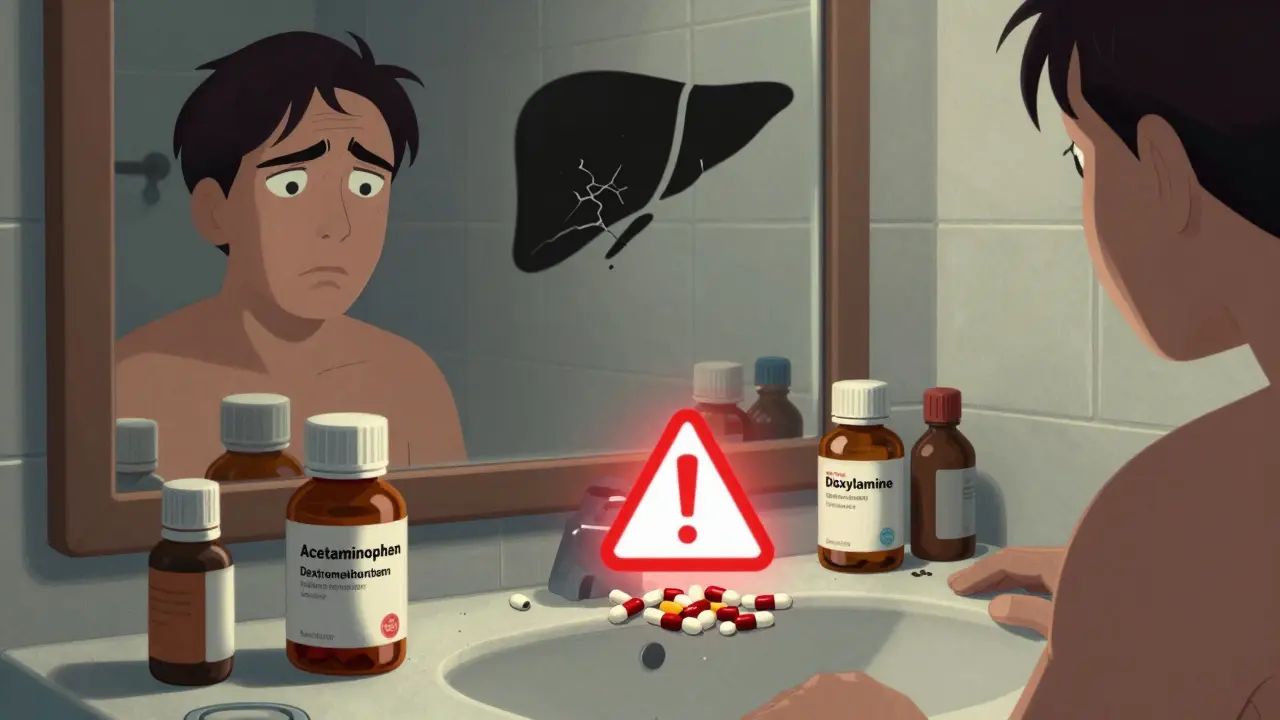
OTC Cold and Flu Combinations: How to Avoid Double Dosing and Protect Your Liver
Avoid dangerous double dosing with OTC cold and flu meds by understanding hidden ingredients like acetaminophen. Learn what's really in your medicine and how to stay safe without risking your liver.
View More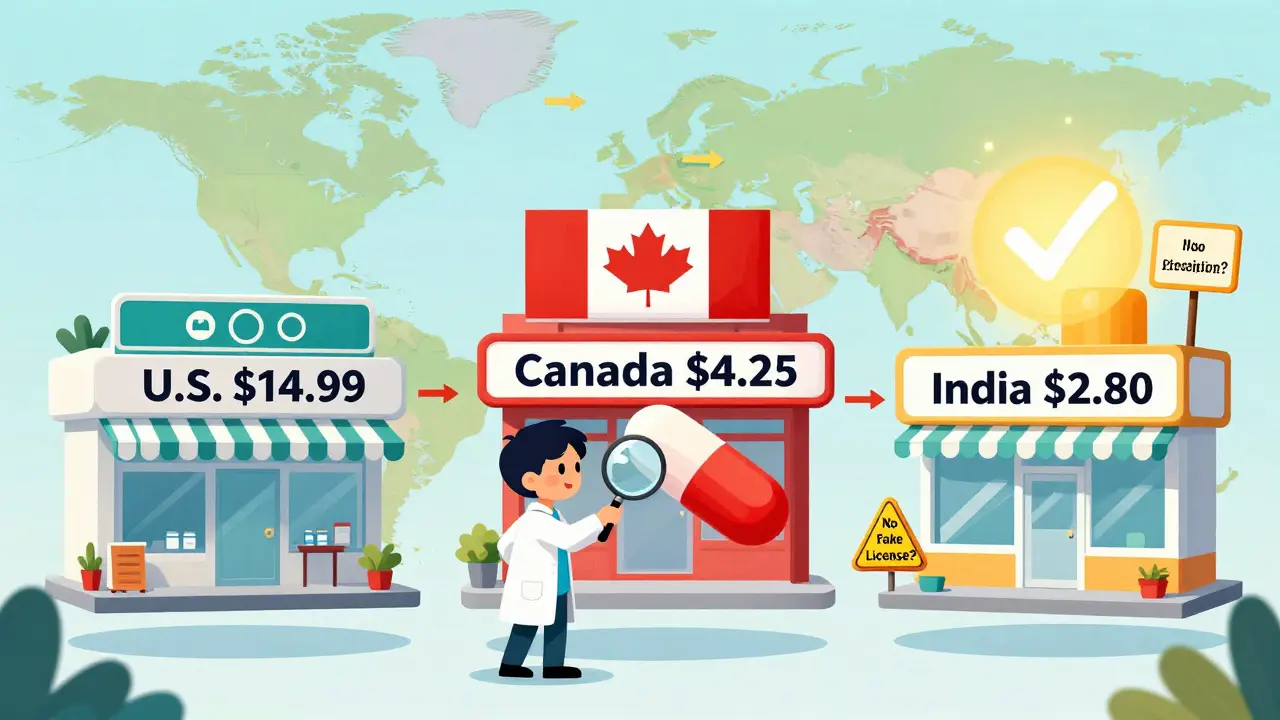
Comparison Shopping Online for Generic Medications: Find the Lowest Prices Without Compromising Safety
Learn how to safely compare generic drug prices online using trusted platforms like PharmacyChecker and GoodRx. Save up to 85% on common medications without risking your health.
View More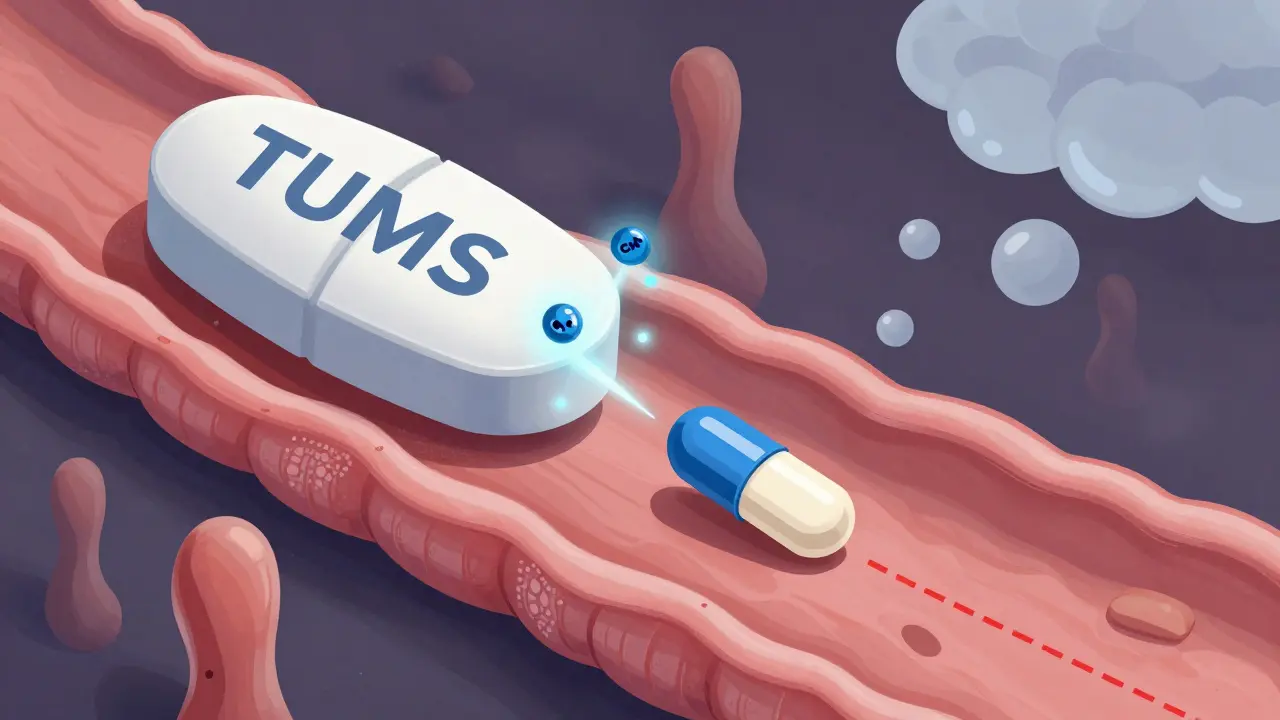
OTC Antacids and Antibiotics: How They Interfere and What to Do Instead
OTC antacids can drastically reduce the absorption of antibiotics like doxycycline and ciprofloxacin, leading to treatment failure. Learn which drugs interact, how to space them safely, and what to use instead.
View More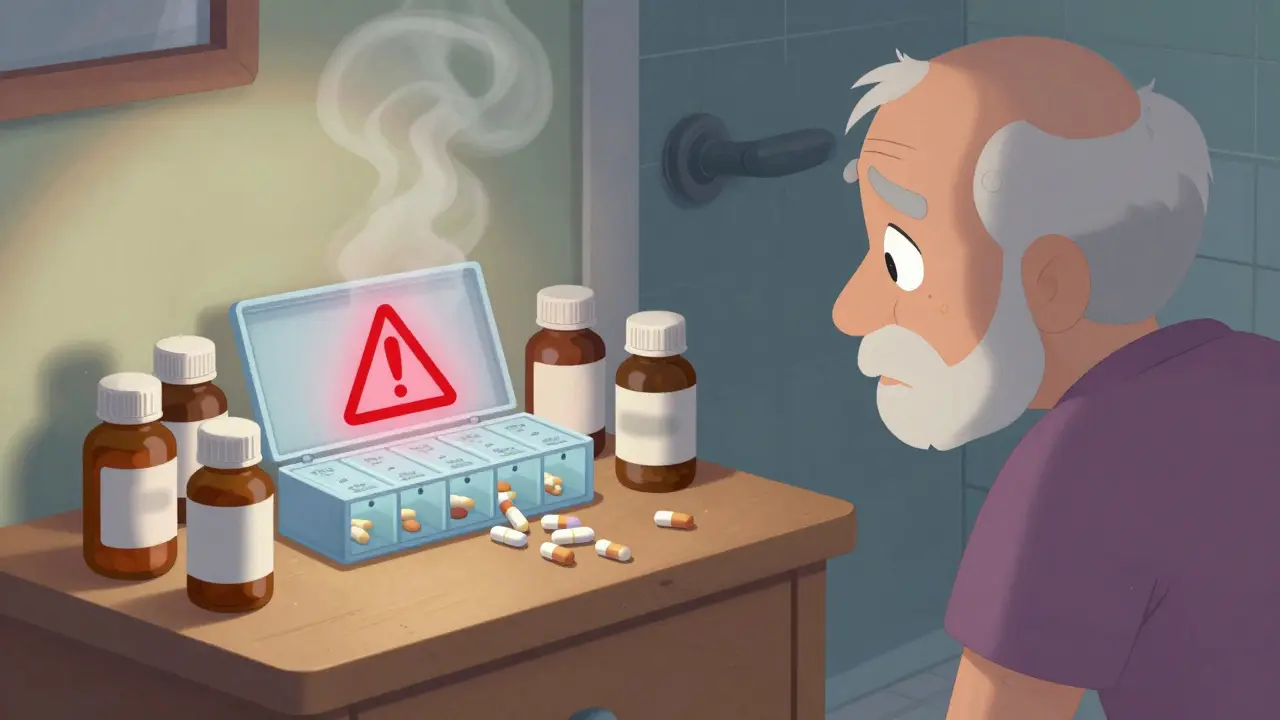
How to Use a Pill Organizer Safely Without Overdosing
Learn how to use a pill organizer correctly to avoid accidental overdose. Discover what meds to keep out, how to fill safely, where to store it, and when to use smart devices or get pharmacist help.
View More