When your brand-name medication suddenly looks different - smaller, white instead of blue, or with a new logo on it - it’s not a mistake. It’s a generic transition. These switches happen all the time, and they’re meant to save you money. But if you don’t know how to talk to your pharmacy about it, you could end up confused, anxious, or even at risk for side effects or missed doses.
Generic drugs are not cheap knockoffs. They’re approved by the FDA to work exactly like the brand-name version. Same active ingredient. Same strength. Same way you take it. The only differences? The color, shape, or filler ingredients - stuff that doesn’t affect how the drug works in your body. And yet, nearly one in five people report noticing something off after switching. Some feel worse. Some panic. Some stop taking it altogether.
Why Do Generic Transitions Happen?
When a brand-name drug’s patent expires, other companies can legally make the same medicine at a fraction of the cost. This isn’t new. The Hatch-Waxman Act of 1984 set up the system that lets generics enter the market after testing. Today, 9 out of 10 prescriptions filled in the U.S. are generics. They save patients and the system over $370 billion every year.
But here’s the catch: your insurance company usually pushes for the cheaper version. They update their formulary - the list of drugs they cover - and suddenly, your brand-name pill is no longer approved unless your doctor jumps through hoops. That’s when your pharmacy gets the message: switch to generic.
What You Should Do Before the Switch
Don’t wait until the day your prescription runs out. Start the conversation at least 30 days ahead. Here’s what to ask your pharmacist:
- Is a generic version available? Not all drugs have one yet. Some complex ones - like inhalers, patches, or injectables - take longer to develop.
- Will my insurance cover it without extra steps? Some plans require prior authorization even for generics. Others will only pay for the brand if you prove the generic didn’t work.
- Is there a patient assistance program? Generic manufacturers sometimes offer coupons or free starter packs to help with the transition.
- Can I get a 90-day supply? If you’re on a chronic medication, syncing your refills reduces the chance of running out during a switch.
Bring your full medication list - including supplements and over-the-counter drugs - to every visit. Pharmacists can spot interactions you might miss. For example, switching from brand to generic levothyroxine (for thyroid) can cause symptoms like fatigue or heart palpitations if the dose isn’t perfectly matched. That’s not because generics are unsafe. It’s because even tiny changes in absorption matter for drugs with a narrow therapeutic index.
What to Watch For After the Switch
Most people (78%) feel no difference after switching. But for some, the change is real.
Keep a simple journal for the first 2-4 weeks:
- Did your symptoms change? (e.g., more seizures, worse anxiety, dizziness)
- Did you notice new side effects? (e.g., nausea, rash, headaches)
- Did your energy, mood, or sleep change?
A 2021 study in JAMA Internal Medicine found that 9.4% of people switching from brand to generic antiepileptic drugs had a seizure within 30 days - compared to 5.3% who stayed on brand. That’s why patients with epilepsy, blood thinners like warfarin, or seizure medications need extra care.
One Reddit user, u/MedConcern87, shared how switching from brand-name Keppra to generic levetiracetam led to increased seizures. After going back to the brand, their seizures stopped. That’s not rare. It’s why pharmacists are trained to listen - not just dispense.
What Your Pharmacist Should Do
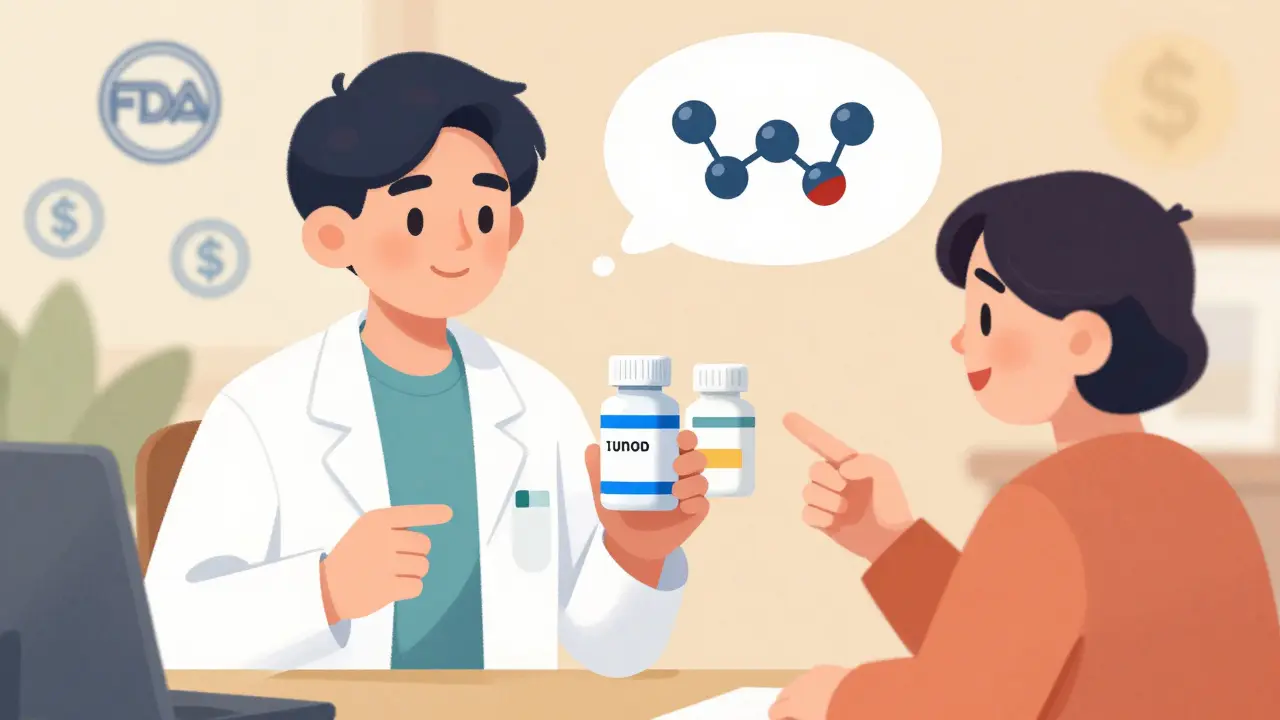
Good pharmacists don’t just hand you a new bottle and say, “It’s the same.” They should:
- Explain why the switch is happening
- Confirm you understand it’s not a different drug
- Check if your insurance requires prior authorization
- Warn you if the generic has different inactive ingredients (like gluten or dye) that could cause reactions
- Offer to contact your doctor if you report problems
Pharmacists now have tools to help. Many pharmacies use electronic health records that flag high-risk switches - like for epilepsy or thyroid meds - and prompt them to have a conversation. In 2023, Epic Systems rolled out automated alerts in 87% of U.S. hospitals, cutting errors by 34%.
And thanks to a DEA rule from August 2023, you can now transfer your controlled substance prescriptions (like opioids or ADHD meds) directly between pharmacies without calling your doctor. That’s huge for people switching pharmacies during a transition.
What If the Generic Doesn’t Work for You?
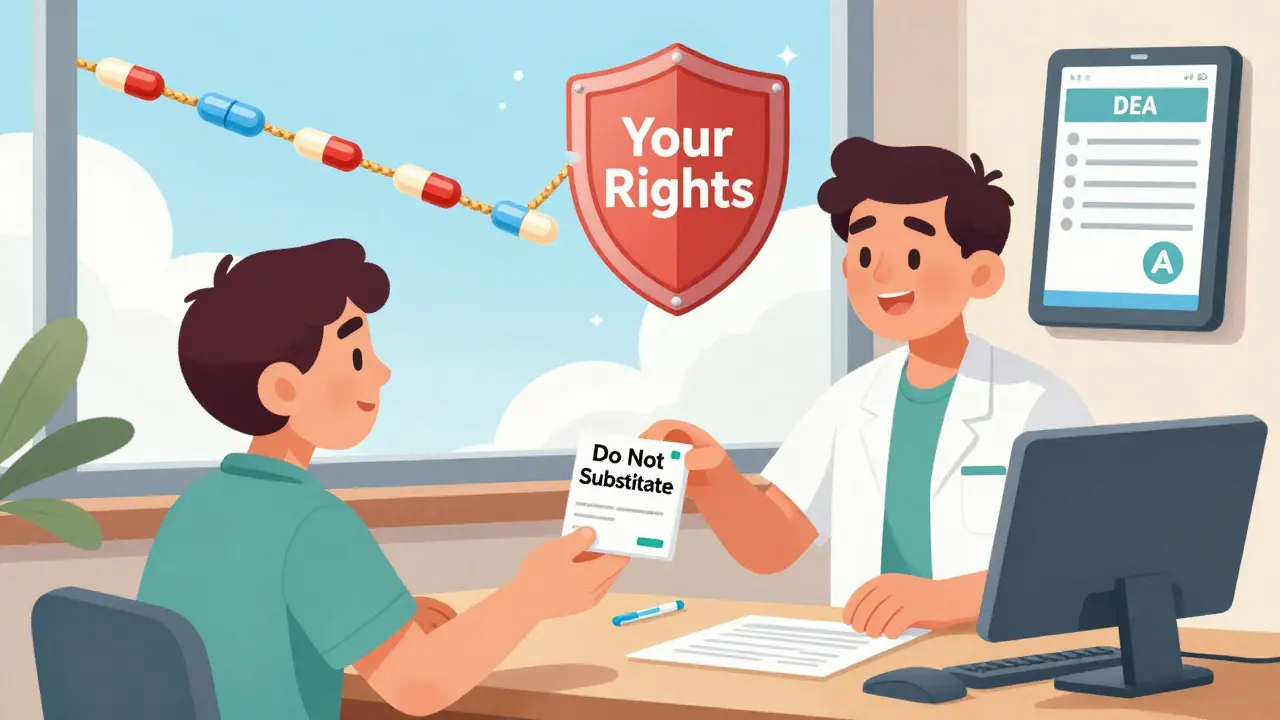
You have rights. If you feel worse after switching:
- Call your pharmacist first. They can often help you get a temporary refill of the brand-name drug while your doctor files an exception.
- Ask your doctor to write “Do Not Substitute” on the prescription. This legally blocks the pharmacy from switching without permission.
- For Medicare Part D patients, you’re entitled to a 90-day transition period to stay on your current drug if it was working.
- If you’re on Medicaid or private insurance, you can file a formulary exception request. Many plans approve these if you show clinical evidence.
Don’t assume you’re just being “difficult.” For drugs like levothyroxine, warfarin, or phenytoin, even a 5% difference in absorption can matter. Your body isn’t broken - it’s just sensitive.
Cost vs. Comfort: What’s Worth It?
Generics save an average of $265 per medication per year for Medicare beneficiaries. That’s real money. But if you’re spending $50 extra per month to avoid anxiety, sleeplessness, or worse side effects - is it worth it?
Some patients choose to pay out-of-pocket for the brand-name drug even when a generic is available. Others use manufacturer coupons. A few get free samples from their doctor’s office during the transition.
There’s no one-size-fits-all answer. But you deserve to know your options - not just be handed a new pill bottle without context.
How to Stay in Control
Here’s your simple checklist for every generic transition:
- Ask your pharmacist: “Is this a switch? Why now?”
- Compare the old and new pill: note the shape, color, and imprint code (the letters/numbers on it).
- Write down any changes in how you feel - even small ones.
- Call your pharmacist if you feel off within 2 weeks.
- Keep a list of all your meds - including doses and why you take them - in your phone or wallet.
- Request medication synchronization if you take multiple drugs.
Most transitions go smoothly. But when they don’t, communication is the lifeline. Your pharmacist isn’t just filling a prescription - they’re your medication safety net. Use them.
Are generic drugs really as effective as brand-name drugs?
Yes - by law, generics must meet the same FDA standards as brand-name drugs. They contain the same active ingredient in the same strength and work the same way in your body. The FDA requires them to be bioequivalent, meaning they deliver the same amount of medicine into your bloodstream at the same rate. Studies show that 90% of people experience no difference in effectiveness or side effects after switching.
Why do some people feel worse after switching to a generic?
While the active ingredient is identical, generics can have different inactive ingredients - like dyes, fillers, or preservatives. For most people, this doesn’t matter. But for those with allergies, sensitivities, or conditions like epilepsy or thyroid disease, even small changes in how the drug is absorbed can cause symptoms. If you feel worse, don’t ignore it. Talk to your pharmacist and doctor right away.
Can I ask my pharmacy to keep giving me the brand-name drug?
Yes. You can ask your doctor to write “Dispense as Written” or “Do Not Substitute” on your prescription. This legally prevents the pharmacy from switching you without approval. Some insurance plans will still require you to pay more out-of-pocket, but you have the right to refuse a switch if you believe it affects your health.
What should I do if my insurance won’t cover the brand-name drug anymore?
Your pharmacist can help you file a formulary exception with your insurance company. You’ll need a letter from your doctor explaining why the generic doesn’t work for you. Medicare and many private plans allow this, especially for drugs with narrow therapeutic windows like warfarin or levothyroxine. If approved, your insurance will cover the brand-name version.
How do I know if the generic I’m getting is the same as the last one?
Check the pill’s imprint code - the letters or numbers printed on it. You can look it up on the FDA’s website or ask your pharmacist to confirm it matches the one you were taking. If the color, shape, or imprint changed, it’s likely a different manufacturer’s version. That’s normal, but if you notice side effects after the change, let your pharmacist know.
Can I switch pharmacies during a generic transition?
Yes - and it’s easier now. Since August 2023, the DEA allows you to transfer prescriptions for controlled substances (like pain meds or ADHD drugs) directly between pharmacies without going back to your doctor. Just call your new pharmacy and ask them to transfer it. This helps avoid gaps in your medication during a switch.
What Comes Next?
The future of generic transitions is smarter, not harder. Pharmacies are starting to use AI tools to predict which patients are most likely to struggle with switches - based on their history, age, and medication type. Some are even testing blockchain systems to track every pill’s journey from manufacturer to patient, so you can see exactly which version you’re getting.
But the biggest change won’t be tech. It’ll be culture. More pharmacists are being trained to treat transitions like conversations, not transactions. They’re learning to ask: “How are you feeling?” - not just “Do you have any questions?”
You don’t need to be an expert to protect your health. Just be informed. Be vocal. And never assume a pill change is harmless. Your body knows when something’s off - trust it. And always, always talk to your pharmacist.
Popular Posts

Top Alternatives to North Drugstore in 2025
18 Mar 2025