Supplement Interactions: What You Need to Know Before Taking Them With Medications
When you take a supplement interaction, a reaction between a dietary supplement and a medication that changes how either one works in your body. Also known as nutrient-drug interaction, it can make your medicine too strong, too weak, or cause side effects you didn’t expect. This isn’t just theory—it’s happening right now to people taking vitamin D with blood thinners, calcium with thyroid meds, or St. John’s wort with antidepressants. These aren’t rare edge cases. They’re everyday risks hidden in plain sight.
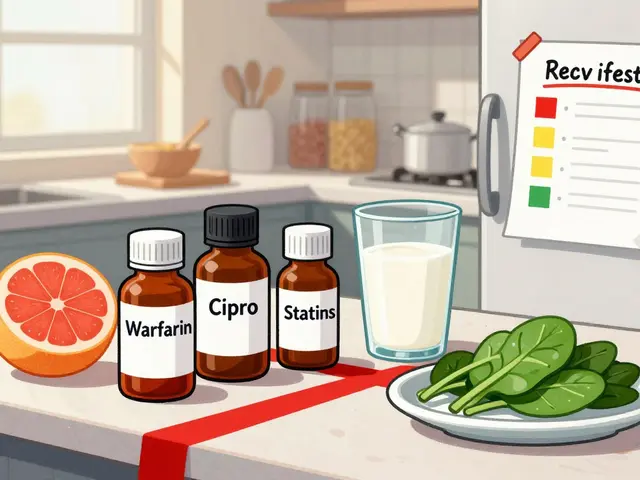
Many people assume supplements are safe because they’re "natural." But natural doesn’t mean harmless. Grapefruit, a citrus fruit that blocks enzymes in the gut that break down many drugs. Also known as citrus-drug interaction, it can spike blood levels of statins, blood pressure meds, and even some anti-anxiety pills. The same thing happens with St. John’s wort, a popular herb for mild depression that speeds up how fast your liver clears out other drugs. Also known as herbal drug interaction, it can knock out the effect of birth control, HIV meds, and heart medications. Even something as simple as vitamin K, a nutrient that helps blood clot. Also known as phylloquinone, it can undo the work of warfarin, turning a life-saving drug into a dangerous gamble. These aren’t guesses. They’re proven, documented risks backed by real patient outcomes and clinical studies.
You don’t need to stop all supplements. But you do need to know which ones to watch. The biggest red flags? Taking more than one supplement, using herbal products, or switching brands of the same vitamin. People on heart meds, blood thinners, or thyroid drugs are at highest risk. And if you’ve ever felt suddenly dizzy, nauseous, or unusually tired after starting a new pill—especially a supplement—it might not be coincidence. Your body could be reacting to a hidden interaction.
The posts below show exactly how these interactions play out in real life. You’ll find cases where probiotics helped with antibiotic side effects, where vitamin C clashed with kidney meds, and how even common herbs like turmeric can interfere with blood pressure drugs. You’ll see what to track in a medication journal, how to spot contamination risks in cheap supplements, and which combinations can lead to bleeding, heart trouble, or treatment failure. This isn’t a list of warnings—it’s a practical guide to staying safe while still using what helps you feel better.
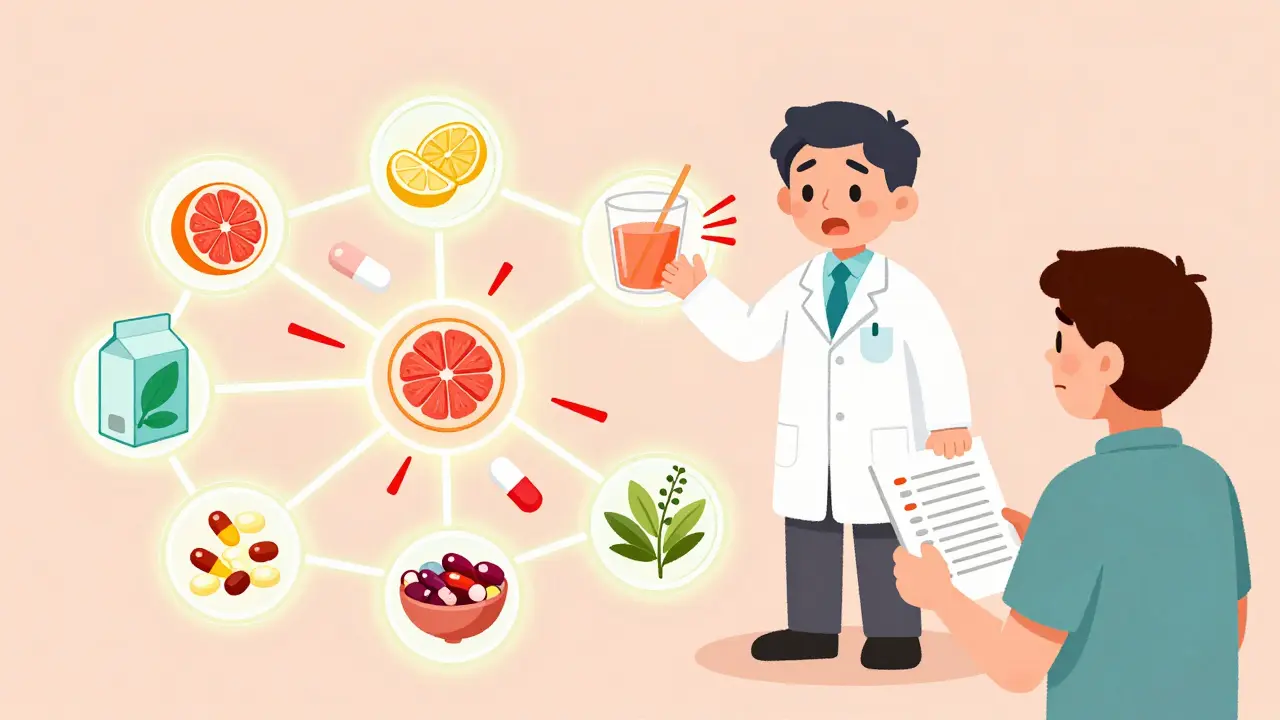
Questions to Ask Your Pharmacist About Potential Drug Interactions
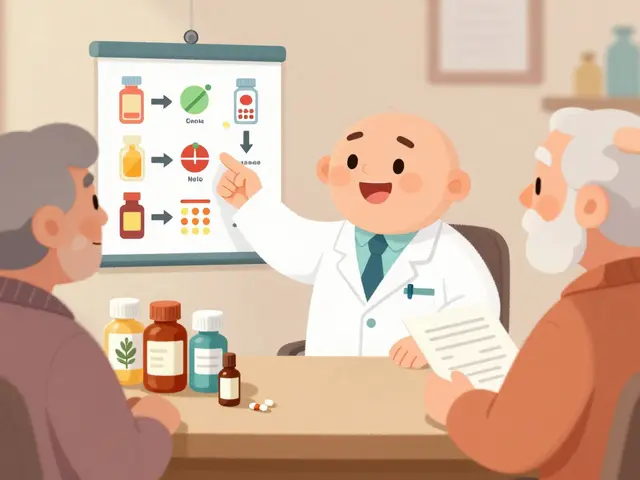
Knowing what to ask your pharmacist about drug interactions can prevent dangerous side effects, hospital visits, and medication failures. Learn the key questions and tips to stay safe with your medications.
View More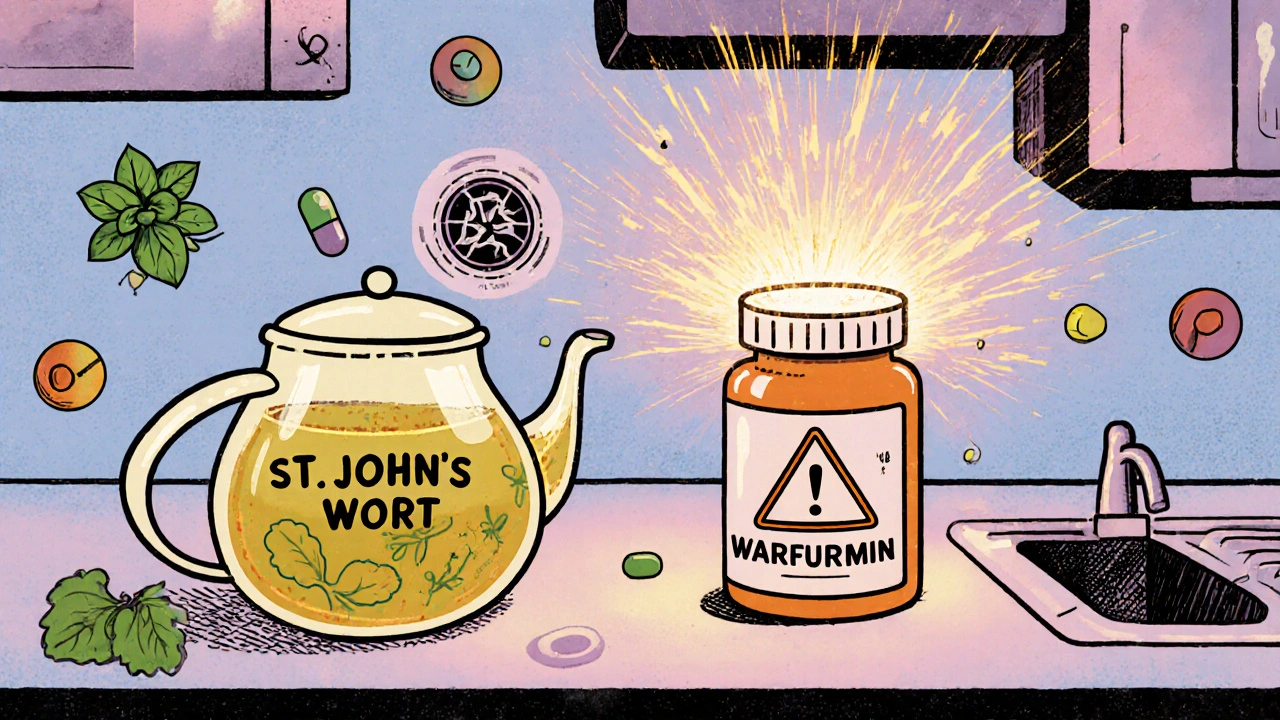
Are Natural Products Safer Than Pharmaceuticals? The Real Risks of Supplement Interactions
Natural doesn't mean safe. Many herbal supplements interact dangerously with prescription drugs, yet most people don't realize it. Learn the real risks behind supplement interactions and how to protect your health.
View More