Generic Drug Costs: What You Really Pay and Why It Matters
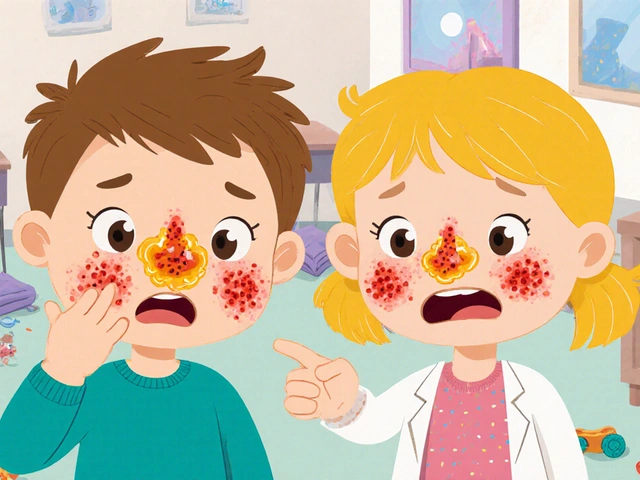
When you pick up a generic drug, a medication that contains the same active ingredient as a brand-name drug but is sold without a brand name. Also known as non-brand medication, it works the same way, costs far less, and is used by millions every day. But here’s the thing—just because it’s cheaper doesn’t mean it’s always the same. Generic drug costs vary wildly depending on who makes it, where it’s made, and whether your body reacts to one version over another. Some people switch from brand to generic and feel fine. Others get dizzy, nauseous, or notice their blood pressure or mood changes. It’s not in their head. It’s in the filler, the coating, or how fast the pill dissolves.
That’s why generic drug safety, the real-world performance of non-brand medications in patients isn’t just about chemistry. It’s about how your body handles each batch. Studies show that for most drugs, generics work just as well. But for drugs with a narrow therapeutic index, medications where even small changes in dose can cause serious side effects or treatment failure—like levothyroxine, warfarin, or phenytoin—switching between generic brands can matter. One person’s $5 pill might be another’s nightmare. And when contamination scares hit the news—like benzene in Mucinex or NDMA in blood pressure meds—it’s not just a recall. It’s a warning that cost-cutting can sometimes cross a line.
Then there’s the generic vs brand name, the comparison between off-patent medications and their original branded versions debate. Brand names cost more because of marketing, patents, and research. Generics cost less because they copy the formula and skip the ads. But here’s what no one tells you: sometimes the brand version is made in the same factory as the generic, just under a different label. Other times, the generic comes from a plant overseas with questionable oversight. You don’t need to know all the details—but you do need to know your own body’s response. That’s why keeping a medication journal when you switch generics is one of the smartest things you can do. Track how you feel, your lab results, any new side effects. Bring it to your doctor. It’s not about being difficult—it’s about being safe.
And let’s be clear: generic drug costs aren’t just about saving money at the pharmacy. They’re about whether people can afford to take their heart meds, their thyroid pills, their antidepressants. When a $300 brand-name drug drops to $12 as a generic, it’s not just a business win—it’s a health win. But if that $12 pill makes you sick, the savings mean nothing. The real value isn’t in the lowest price. It’s in the right price for the right person.
Below, you’ll find real stories and data from people who’ve switched generics, noticed changes, fought for better options, or avoided dangerous interactions. Whether you’re on a tight budget, managing a chronic condition, or just wondering why your new pill feels different, these posts give you the facts—not the hype.
Pricing Pressure and Shortages: How Drug Manufacturers Are Struggling in 2025
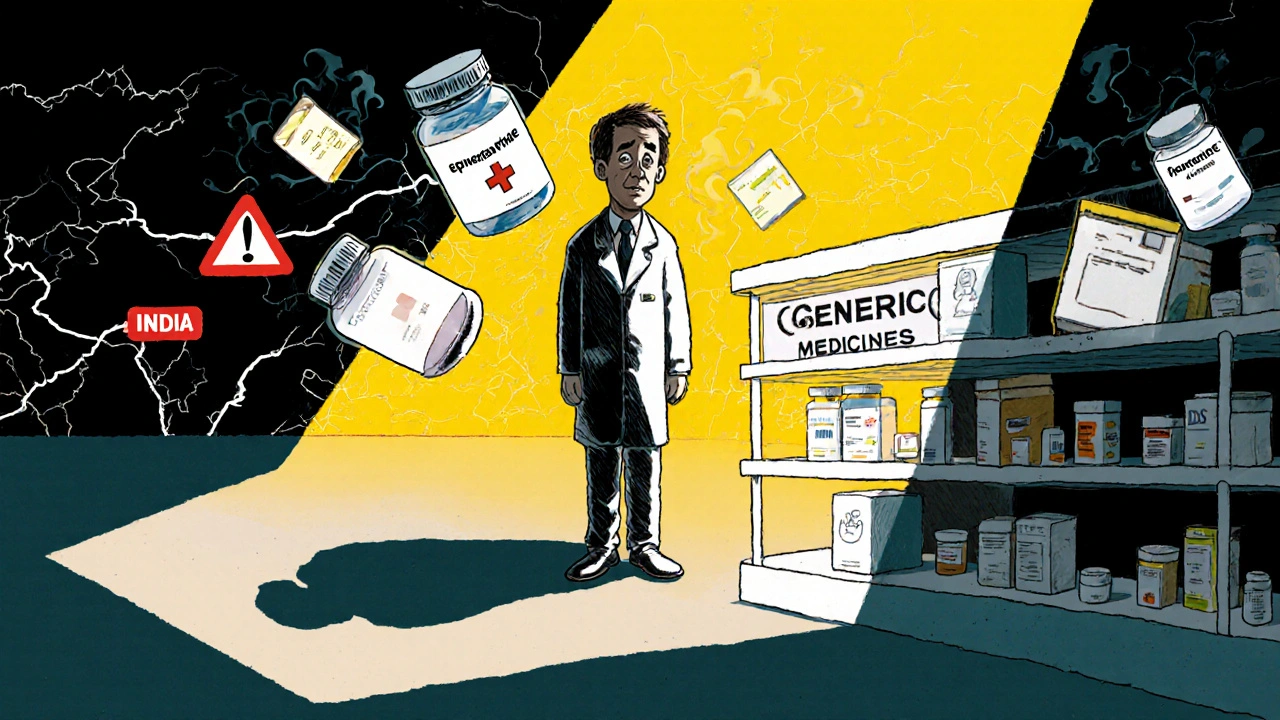
Drug manufacturers are facing financial strain from rising raw material costs, tariffs, and supply chain disruptions, leading to widespread shortages of generic medications in 2025. Patients and providers are feeling the impact as profits shrink and production drops.
View More