DEA Telemedicine Rules: What You Need to Know About Prescribing Controlled Substances Online
When a doctor prescribes a controlled substance like oxycodone, Adderall, or Xanax over a video call, they’re following DEA telemedicine rules, federal guidelines that control how controlled substances are prescribed remotely. These rules exist to stop drug diversion while still letting patients get needed medications without traveling. Before 2023, you had to see a doctor in person at least once before getting a controlled substance via telehealth. That changed. Now, under updated DEA registration rules, providers can prescribe these drugs remotely for up to 12 months without an in-person visit—if they’re properly registered and meet other requirements.
Not every provider can do this. Only those with an active DEA registration and a valid state license can write prescriptions for controlled substances through telemedicine. The DEA also requires that the provider has a legitimate medical purpose and follows the standard of care. This means no prescribing based on a quick chat or a form you filled out online. If a patient has a history of substance misuse, the provider must document it and consider alternatives. The rules also say you can’t prescribe buprenorphine for opioid use disorder without a special waiver—unless the patient is in a certified treatment program. These aren’t just paperwork rules. Violating them can mean losing your license, facing fines, or even criminal charges.
Many providers still get confused about what counts as a valid telemedicine visit. A simple phone call doesn’t cut it. The visit must include real-time video and audio, and the provider must review the patient’s history, assess symptoms, and document the clinical decision. For patients in rural areas or those with mobility issues, these rules are a lifeline. But for others, they’re a barrier if the provider doesn’t follow them correctly. That’s why you’ll find posts here on how to read drug labels safely, track medication adherence, and spot dangerous interactions—because when controlled substances are involved, even small mistakes can have big consequences.
What you’ll find below are real-world guides from doctors, pharmacists, and patients who’ve navigated these rules. From how to avoid common prescribing errors to what happens when a patient switches providers mid-treatment, these posts cut through the jargon. You won’t find legal fluff. You’ll find what actually works—and what gets you in trouble.
Regulatory Oversight of Online Pharmacies: How FDA and State Boards Protect You
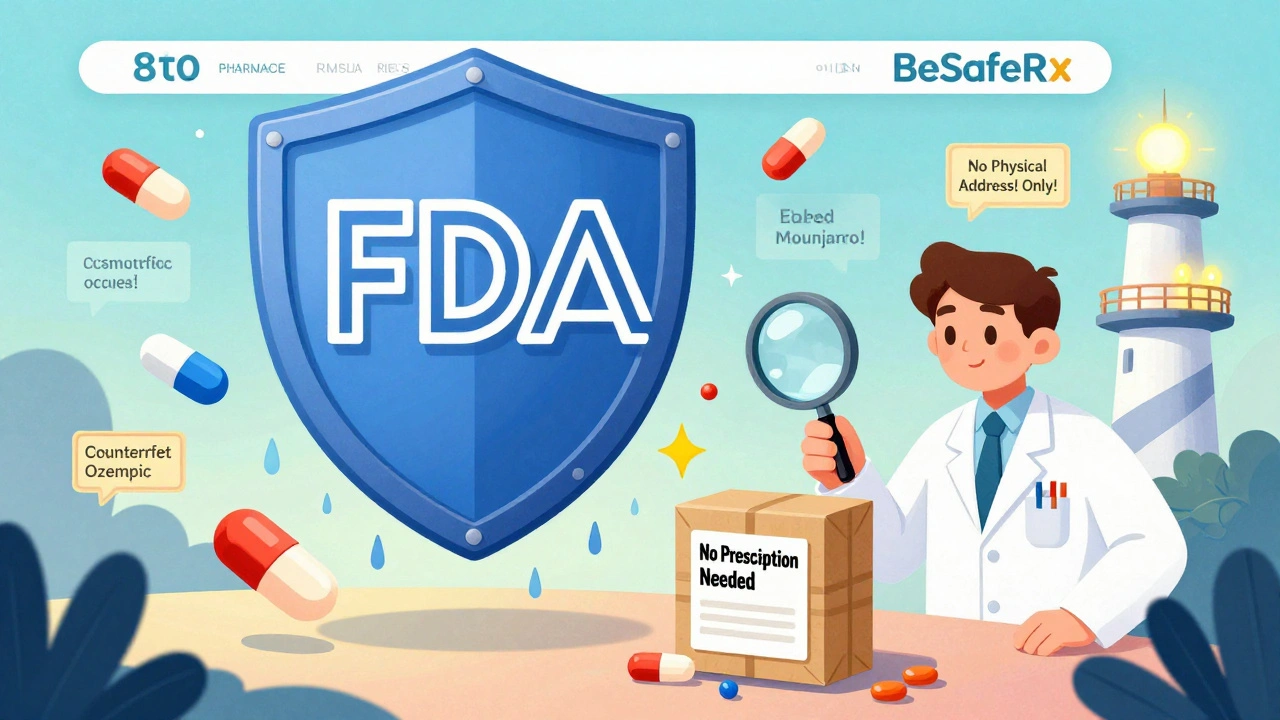
Learn how the FDA and state pharmacy boards work together to regulate online pharmacies, protect patients from fake drugs, and enforce rules on telemedicine prescriptions. Know what to look for - and what to avoid.
View MorePopular Posts