Avoid Medication Errors: How to Stay Safe with Drugs and Supplements
When you take a pill, you expect it to help—not hurt. But medication errors, mistakes in prescribing, dispensing, or taking drugs that lead to harm. Also known as drug safety failures, they happen more often than you think, and many are completely preventable. A wrong dose, a bad combo, a confusing label—these aren’t just statistics. They’re real risks you can face every time you pick up a prescription or grab a supplement off the shelf.
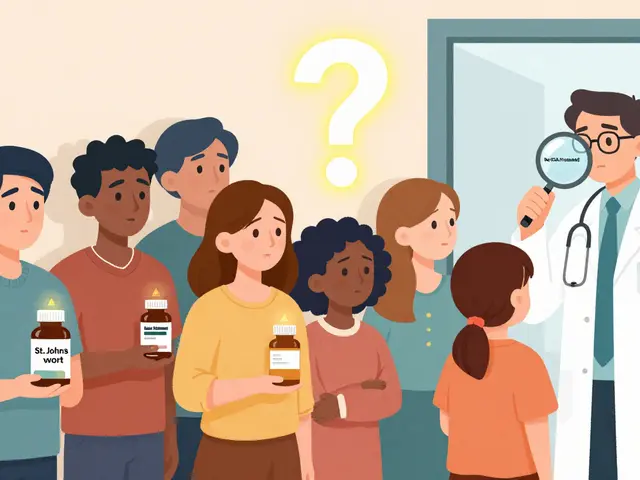
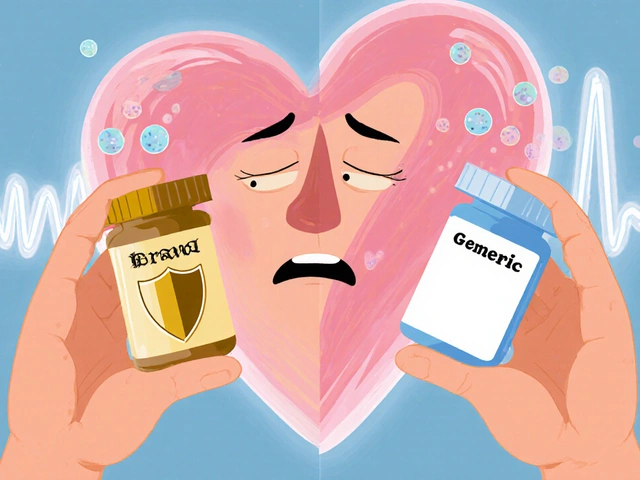
One of the biggest dangers comes from drug interactions, when two or more substances react in your body to cause unexpected side effects. medication interactions can turn a harmless routine into a medical emergency. Grapefruit and blood pressure meds? That combo can spike your drug levels dangerously. SSRIs and blood thinners? That raises your bleeding risk. Even "natural" supplements like St. John’s wort can mess with antidepressants, heart meds, or birth control. And it’s not just about what’s in the bottle—generic drug risks, differences in how generic versions are made that can affect how your body responds matter too. Switching from one generic levothyroxine brand to another might seem harmless, but if you have heart disease or thyroid cancer, that change can throw off your entire treatment. Contaminants like NDMA in some generics have led to recalls, and not everyone knows to check for them.
Language barriers are another silent killer. If you don’t speak English well, you might not understand how to take your medicine, what to avoid, or when to call your doctor. Federal law says you’re entitled to a free interpreter at the pharmacy—but too many people are never offered one. That’s how errors sneak in. And if you’re on multiple meds, keeping track is nearly impossible without writing things down. A simple medication journal, a personal log of what you take, when, and how you feel can catch problems before they become crises. Did your blood pressure spike after switching generics? Did you get dizzy after adding a new supplement? Writing it down gives you power—to talk to your doctor, to spot patterns, to demand better care.
You don’t need to be a pharmacist to protect yourself. You just need to ask questions. What’s this for? What happens if I miss a dose? What should I avoid eating or taking with it? Who do I call if something feels wrong? These aren’t annoying questions—they’re life-saving ones. The posts below show you exactly how to spot red flags in your meds, from dangerous heart drug combos to how probiotics can cut antibiotic side effects, from why citrus messes with your blood pressure pills to how to talk to your doctor without fear. This isn’t about fear. It’s about control. You’re not just taking pills. You’re managing your health. And you deserve to do it safely.

How to Train Yourself to Check Labels Before Every Dose for Medication Safety
Learn how to build a simple, life-saving habit of checking medication labels before every dose. Reduces medication errors by 76% and works for anyone managing multiple prescriptions.
View More