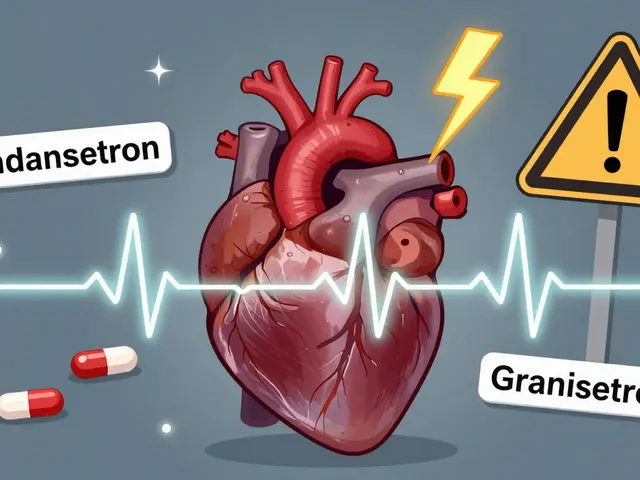
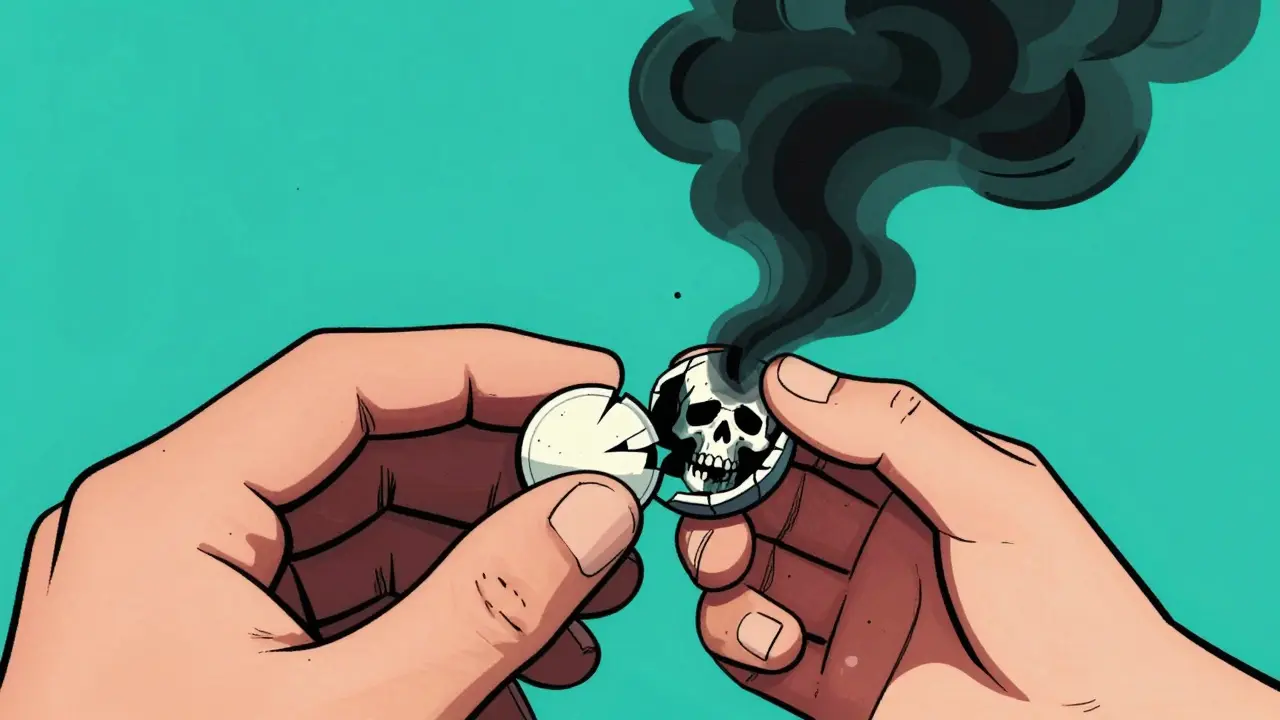
It looks exactly like the oxycodone your doctor prescribed. It has the same imprint, the same color, and feels just as heavy in your hand. But inside that pill is not a controlled dose of pain relief. It is fentanyl, a synthetic opioid 50 to 100 times more potent than morphine. This is the terrifying reality of the current drug crisis. You cannot trust your eyes to tell if a pill is safe. The line between a therapeutic dose and a lethal one is thinner than a hair, and for many people, one single pill can be their last.
The surge in counterfeit pills has turned what used to be a predictable risk into a game of Russian roulette. Whether you are someone managing chronic pain, a student trying to focus with ADHD medication, or simply someone who knows friends who use substances, understanding this threat is no longer optional. It is a matter of life and death. Let’s break down why these pills are so dangerous, how they end up on the street, and most importantly, what you can do right now to stay safe.
Why Fentanyl Is in Fake Pills
To understand the danger, you have to look at the economics. Drug traffickers are businesses, and their goal is profit maximization. Illicitly manufactured fentanyl (IMF) is incredibly cheap to produce. Estimates suggest it costs between $5,000 and $10,000 per kilogram to make fentanyl. Compare that to legitimate pharmaceuticals like oxycodone, which can cost $50,000 to $100,000 per kilogram to manufacture legally.
Because fentanyl is so potent, dealers can mix tiny amounts into other substances-or press them into fake pills-and still get a strong effect. This allows them to stretch their supply further, increasing their margins. According to data from the U.S. Drug Enforcement Administration (DEA), seizures of fentanyl-laced fake pills skyrocketed from over 80 million in 2023 to more than 60 million in just the first part of 2024. These numbers represent hundreds of millions of potential lethal doses circulating outside of medical supervision.
The result is a flood of counterfeit medications designed to mimic popular prescriptions. You might see fake versions of:
- Oxycodone (often labeled OxyContin or Percocet)
- Alprazolam (Xanax)
- Adderall (amphetamine/dextroamphetamine)
- Tramadol
These pills are pressed using molds that replicate the exact imprints, colors, and shapes of legitimate drugs. They are not made in sterile labs with quality control. They are mixed in makeshift facilities where consistency is nonexistent. One pill might contain a trace amount of fentanyl, while the next one contains enough to stop your heart.
The Hidden Danger: You Can’t See It
A common myth is that you can spot a fake pill by looking at it closely. Maybe it’s slightly off-color? Maybe the imprint is blurry? The hard truth, backed by experts at the University of Washington and the DEA, is that there is no reliable visual way to distinguish a counterfeit pill from a real one. Traffickers invest heavily in making these pills look authentic because they know users will check them.
This creates a psychological trap. People believe they are being careful by inspecting their pills, but that confidence is misplaced. The "One Pill Can Kill" campaign launched by the DEA emphasizes this point repeatedly. The message is simple: never trust your own eyes. If a pill did not come directly from a licensed pharmacy, it is unsafe.
The danger isn’t just fentanyl. Illicit manufacturers often mix opioids with other sedatives like benzodiazepines or stimulants. This combination depresses the central nervous system even faster, leading to respiratory failure. When you take a pill, you aren’t just risking an overdose from one substance; you are risking a cocktail of unpredictable chemicals.
Understanding Overdose Risks
Fentanyl’s potency means the margin for error is non-existent. A lethal dose for an average adult is approximately 2 milligrams. That is less than the weight of a few grains of salt. In contrast, a typical dose of morphine might be 10 to 30 milligrams. Because IMF is mixed manually, distribution within the powder is uneven. This leads to "hot spots"-clumps of pure fentanyl that can end up in a single pill.
Data from the Centers for Disease Control and Prevention (CDC) shows that between October 2023 and September 2024, there were approximately 87,000 drug overdose deaths in the United States. While some recent data suggests a slight decline in synthetic opioid overdoses in late 2024, the absolute numbers remain devastating. In states like Colorado, fentanyl was involved in half of all accidental overdose deaths among people under age 44.
Overdose symptoms happen quickly. Look for:
- Slow or stopped breathing
- Pinpoint pupils
- Inability to wake up
- Choking or gurgling sounds
- Blue or purple lips and fingernails
If you see these signs, every second counts. Do not wait to see if they "wake up." Call emergency services immediately.

Prevention and Harm Reduction Strategies
We need to talk about harm reduction. This doesn’t mean encouraging drug use; it means saving lives when people do use. Since we cannot instantly eliminate the illicit market, we must equip people with tools to survive it.
Fentanyl Test Strips
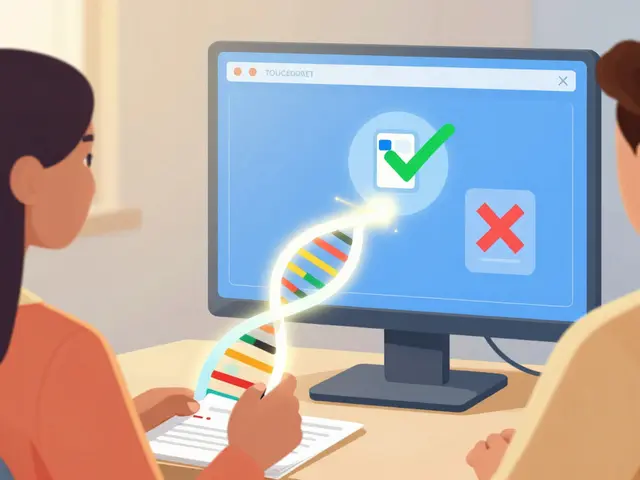
Fentanyl test strips are small, inexpensive devices (usually costing $1-$2 each) that can detect the presence of fentanyl in a substance. They work similarly to pregnancy tests. Here is how to use them:
- Crush a small portion of the pill or powder into a fine dust.
- Mix it with a few drops of water in a clean container.
- Dip the test strip into the solution for the time specified on the package (usually 15-60 seconds).
- Lay it flat and wait for the results. A single line usually means fentanyl is NOT detected. Two lines mean fentanyl IS present.
However, test strips have limitations. They may not detect fentanyl if it wasn’t in the specific sample you tested. They also won’t detect newer analogs like carfentanil, which is even more potent. Use them as a tool, not a guarantee of safety.
Naloxone (Narcan)
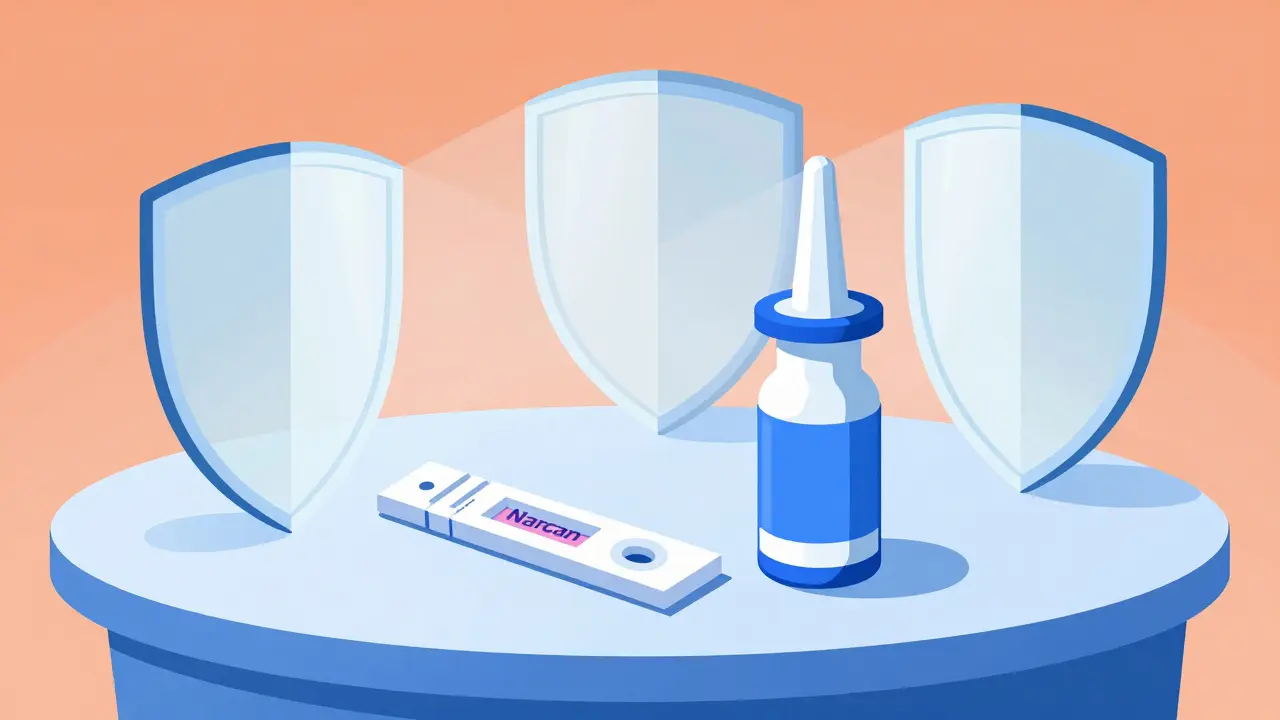
Naloxone, commonly known by the brand name Narcan, is an opioid antagonist. It works by binding to opioid receptors in the brain and kicking the opioid off, reversing the effects of an overdose. It is available as a nasal spray and requires no medical training to use.
Carry Narcan if you or someone you know uses opioids, benzodiazepines, or any unregulated substances. Many pharmacies sell it without a prescription, and local health departments often provide it for free. Keep in mind that because fentanyl is so strong, you might need two or three doses of Narcan to reverse an overdose. If the person does not respond after the first dose, administer another after two minutes.
Safe Sourcing
The only truly safe source for medication is a licensed healthcare provider and a registered pharmacy. If you are prescribed medication, keep it in its original packaging. Never share your pills, and never buy pills from friends, social media contacts, or street dealers. The assumption that "my friend got these from the same place" is deadly. Supply chains change daily, and batches vary wildly.
| Strategy | Effectiveness | Limitations | Accessibility |
|---|---|---|---|
| Visual Inspection | None | Fake pills mimic real ones perfectly | Always available |
| Fentanyl Test Strips | High (for fentanyl) | Sampling error; misses analogs | Low cost ($1-$2); widely available online/in stores |
| Naloxone (Narcan) | Critical (reverses overdose) | Does not prevent overdose; wears off | Over-the-counter at pharmacies; free via health depts |
| Pharmacy Dispensing | 100% Safe | Requires prescription | Requires medical appointment |
What To Do If You Suspect an Overdose
Panic is natural, but action saves lives. If you suspect someone has overdosed on fentanyl:
- Call 911 immediately. Tell them you suspect a fentanyl overdose. Good Samaritan laws in many places protect you from arrest when calling for help in a medical emergency.
- Administer Naloxone. Spray it into one nostril. If there is no response after 2-3 minutes, give a second dose.
- Perform Rescue Breathing. If the person is not breathing, tilt their head back, lift their chin, and breathe into their mouth. This keeps oxygen flowing to the brain until paramedics arrive.
- Place them in the Recovery Position. If they start breathing but are unconscious, roll them onto their side to prevent choking on vomit.
- Stay with them. Narcan wears off faster than fentanyl. The person could slip back into an overdose once the medication leaves their system. Medical observation is essential.
The Role of Social Media and Misinformation
Social media platforms have become both a vector for sales and a hub for misinformation. Dealers use encrypted apps and social media stories to sell counterfeit pills directly to buyers. Meanwhile, trends on platforms like TikTok sometimes glamorize drug use or spread myths about "safe" ways to use fake pills.
A CDC youth fact sheet noted that 65% of teens believe they can visually identify fake pills. This misconception is deadly. Education campaigns are fighting back, with hashtags like #CounterfeitPills garnering hundreds of millions of views. However, awareness alone isn’t enough. We need to shift the culture around pill consumption. Taking a pill from anyone other than a pharmacist should be viewed with extreme caution, regardless of the relationship with the seller.
Long-Term Solutions and Support
Addressing the fentanyl crisis requires more than individual vigilance. It requires systemic change. Law enforcement agencies like the DEA are working to disrupt supply chains, particularly targeting cartels that import precursor chemicals. However, as long as demand exists, suppliers will find new ways to meet it.
Treatment access is crucial. Programs that offer medication-assisted treatment (MAT) using methadone or buprenorphine have proven effective in reducing overdose deaths. NIDA recommends expanding access to these treatments. If you or someone you know is struggling with substance use, reaching out to a healthcare provider or a local support group is a vital step toward recovery.
Remember, you are not alone. The stigma surrounding addiction often prevents people from seeking help. But resources exist. From community health centers to national hotlines, support is available. Prioritizing your health and safety is always the right choice.
Can I tell if a pill contains fentanyl just by looking at it?
No. Counterfeit pills are manufactured to look identical to legitimate prescription medications. They match the color, shape, size, and imprint codes of real drugs. Visual inspection is unreliable and dangerous. The only way to know if a pill is safe is if it was dispensed by a licensed pharmacist.
How much fentanyl is in a lethal dose?
Approximately 2 milligrams of fentanyl is considered a lethal dose for an average adult. This amount is extremely small, comparable to a few grains of salt. Because illicit manufacturing is inconsistent, one pill may contain less than this amount, while another may contain several times more, making every pill a potential risk.
Do fentanyl test strips detect all types of opioids?
Standard fentanyl test strips primarily detect fentanyl itself. They may not detect other synthetic opioids like carfentanil, sufentanil, or nitazenes, which are even more potent. Additionally, if the fentanyl is not evenly distributed in the substance, the test might return a false negative if the sampled portion doesn't contain the drug. Always carry naloxone as a backup safety measure.
Is it legal to buy naloxone without a prescription?
Yes. In the United States, naloxone (Narcan) is available over-the-counter at most pharmacies without a prescription. Many state health departments and community organizations also distribute it for free. It is widely recommended that anyone who uses opioids, lives with someone who does, or works in high-risk environments should have it on hand.
What should I do if someone overdoses and narcan doesn't work?
If naloxone does not reverse the overdose, the person may have taken a different type of drug, a very high dose of fentanyl, or a potent analog. Continue to administer additional doses of naloxone every 2-3 minutes if available. Perform rescue breathing to keep oxygen flowing to the brain. Stay on the line with emergency services and follow their instructions until paramedics arrive.