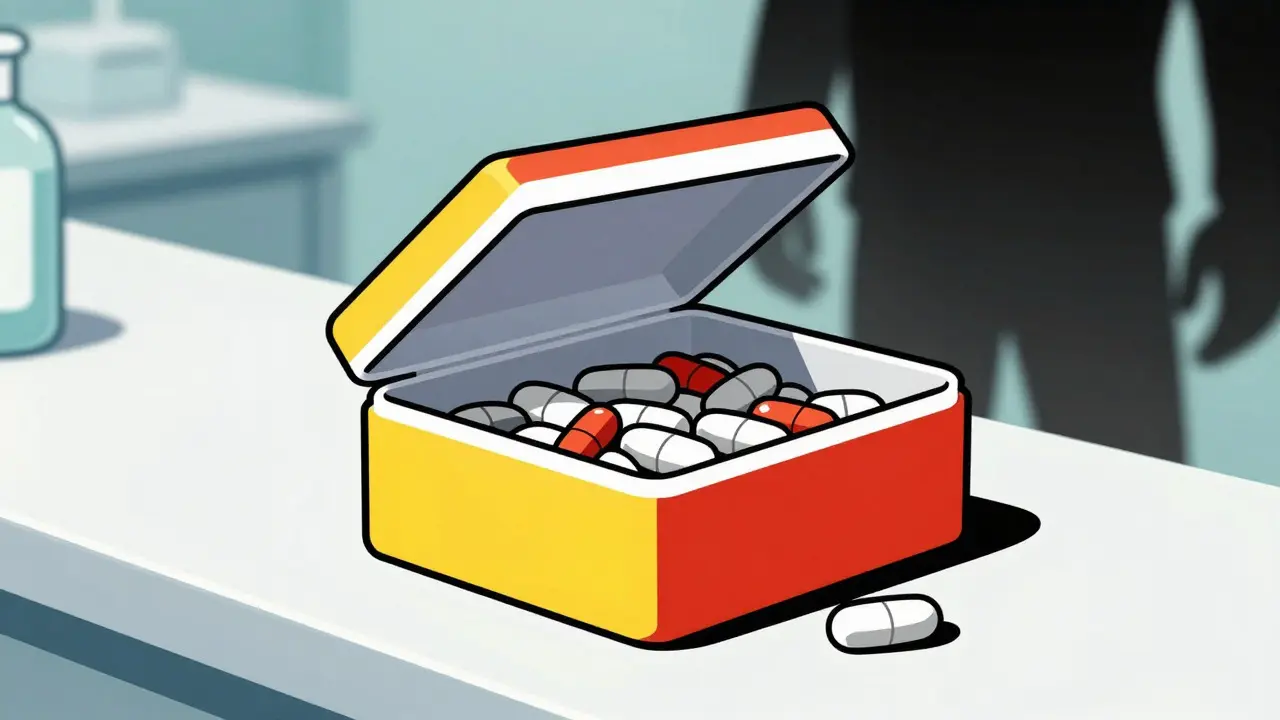
You buy a box of medication for your patient. It looks right. The seal is intact. But inside, the pills contain chalk instead of active ingredients. Or worse, they contain toxic substances that cause organ failure. This isn't just a medical nightmare; it is a legal and financial disaster waiting to happen. For pharmaceutical companies, distributors, and pharmacies, counterfeit drugs represent one of the most insidious threats in the modern supply chain.
The World Health Organization defines these as falsified medicines that deliberately misrepresent their identity, composition, or source. When a legitimate company unknowingly distributes these products, who pays for the lawsuits? Who covers the recall costs? The answer usually lies in your insurance policy, but only if you understand exactly what is covered and what is excluded.
Understanding the Core Insurance Protections
Most companies operating in the pharmaceutical supply chain rely on a combination of professional liability, product liability, and errors and omissions (E&O) insurance. These policies are designed to protect businesses when things go wrong despite their best efforts. However, when it comes to counterfeit drugs, the devil is in the details.
Laura Sunderlin, a life sciences underwriter at Beazley, explains that coverage typically applies provided "there was no intent to defraud and they were unaware that they were buying and passing on counterfeit drugs in the first place." This distinction is critical. Insurance is not a shield for negligence or criminal activity. It is a safety net for honest mistakes made by reputable companies.
If your distributor slipped a batch of fake insulin into your shipment without your knowledge, your product liability policy should kick in. It will cover legal defense costs, settlements, and judgments arising from patient harm. But if an internal audit reveals that your team ignored red flags from a supplier known for shady practices, insurers may argue you acted with reckless disregard, potentially voiding coverage.
Does standard product liability insurance cover counterfeit drugs?
Yes, but with strict conditions. Standard product liability insurance generally covers claims arising from defective products, including counterfeits, if the insured party was unaware of the fraud and acted in good faith. Coverage excludes scenarios where the company knowingly distributed falsified medicines or failed to perform basic due diligence.
The "Good Faith" Requirement and Due Diligence
Insurers look closely at your supply chain management practices. To maintain coverage, you must demonstrate that you took reasonable steps to verify the authenticity of the drugs you handle. This is where the concept of "good faith" becomes a measurable business standard rather than just a moral one.
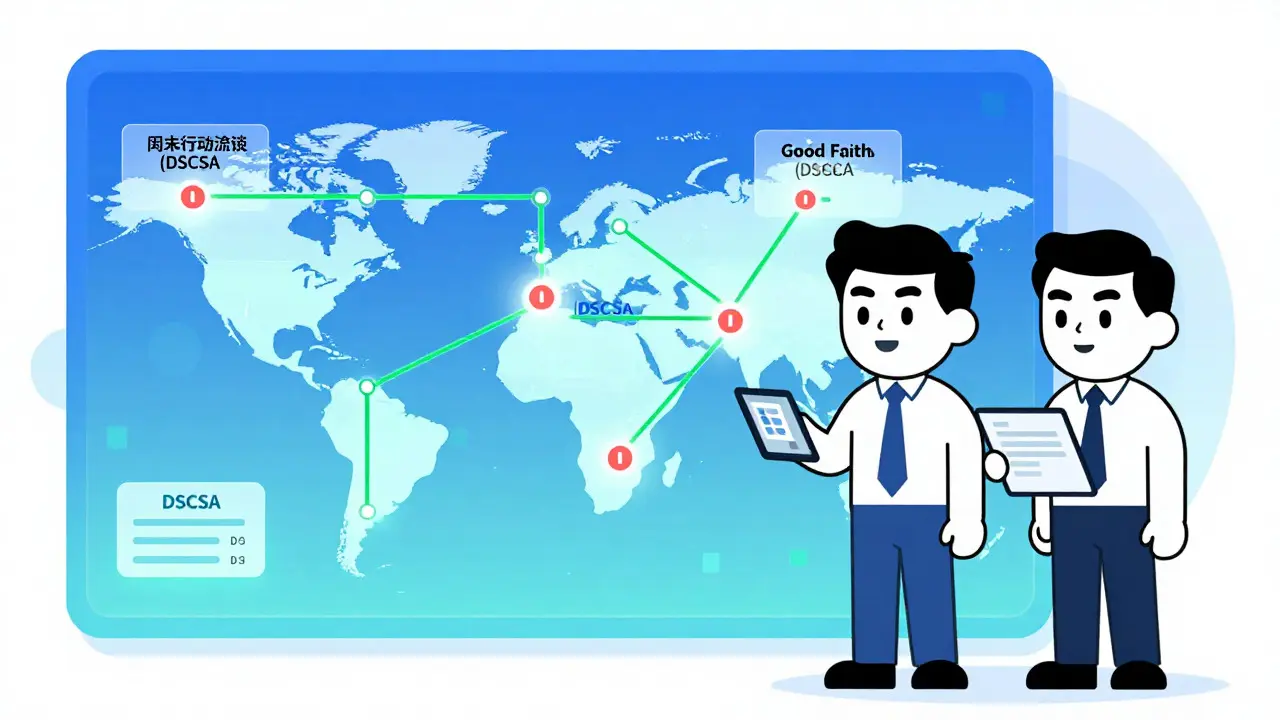
Due diligence involves more than trusting a vendor's word. It includes verifying licenses, checking references, and using technology to track products. The Drug Supply Chain Security Act (DSCSA), signed into law in 2013 and fully implemented with electronic tracing requirements by November 2023, sets the baseline for these expectations. If you haven't adopted the traceability systems mandated by DSCSA, an insurer might argue that you failed to meet industry standards, weakening your claim.
Consider the case of bevacizumab (Avastin). Counterfeit versions of this cancer drug have caused severe patient harm because they lacked the active ingredient. In such cases, courts and insurers scrutinize whether the pharmacy or hospital verified the pedigree of the drug. Did they check the unique identifier on the package? Did they query the national tracking system? If the answer is no, your insurance premium could skyrocket, or your claim could be denied.
Regulatory Frameworks Impacting Insurance Risk
Insurance risk is directly tied to regulatory compliance. Two major frameworks shape this landscape: the U.S.-based DSCSA and the international Medicrime Convention.
The DSCSA requires a national system to trace prescription drugs through the supply chain. By requiring electronic verification of product identifiers, it reduces the window of opportunity for counterfeiters. For insurers, this means lower risk for compliant companies. If you are fully digitized and can prove the provenance of every unit, you are a safer bet. Conversely, companies relying on paper trails or manual checks face higher premiums because their risk exposure is greater.
Internationally, the Council of Europe's Medicrime Convention, which came into force in January 2016, established criminal offenses for manufacturing and trafficking counterfeit medical products. While this doesn't directly change your insurance policy terms, it affects the broader risk environment. Stronger laws mean better enforcement, which can lead to faster identification of bad actors and clearer lines of liability. Insurers appreciate this clarity because it reduces the duration and cost of litigation.
| Regulation | Key Requirement | Impact on Insurance Risk |
|---|---|---|
| Drug Supply Chain Security Act (DSCSA) | Electronic tracing and verification of drug pedigrees | Reduces risk for compliant firms; non-compliance may void coverage or increase premiums |
| Medicrime Convention | Criminal penalties for manufacturing and trafficking fakes | Improves enforcement and liability clarity, potentially lowering long-term loss ratios |
| FDA Pill Imprinting Rules | Unique identifiers on prescription drugs | Facilitates easier detection of counterfeits, supporting "good faith" defenses in claims |
Financial Exposure and the Scale of the Problem
To understand why insurance is so vital, you need to grasp the scale of the threat. Bristol Myers Squibb estimates that counterfeiting is a $200 billion annual industry. It thrives in low- and middle-income countries but has global reach. No part of the world is immune.
The financial impact goes beyond direct compensation. A single incident involving counterfeit drugs can destroy brand reputation, leading to lost sales that dwarf any insurance payout. Pfizer reports helping prevent over 302 million counterfeit doses from reaching patients since 2004. Imagine if even a fraction of those had reached consumers and caused harm. The class-action lawsuits would be catastrophic.
Moreover, counterfeit drugs waste consumer income and reduce incentives for research and development. When patients lose trust in medications due to fears of fakes, adherence drops. This secondary effect creates a complex web of liability that extends beyond immediate physical harm to include economic damages and reputational injury. Insurance policies must be structured to address these multifaceted risks.
Mitigation Strategies That Lower Premiums
Insurers reward proactive risk management. Companies that invest in detection and prevention often enjoy lower premiums and broader coverage terms. Here are specific strategies that signal to underwriters that you are a safe bet:
- Advanced Detection Tools: Sanofi uses sophisticated tools for real-time detection of illicit offers online. They also operate a central anti-counterfeit laboratory to analyze suspect products. Having similar capabilities demonstrates commitment to quality control.
- E-commerce Monitoring: With the rise of online pharmacies, monitoring digital channels is crucial. The National Association of Boards of Pharmacy's Verified Internet Pharmacy Practice Sites (VIPPS) program provides a standard for verification. Using VIPPS-accredited partners reduces your risk profile.
- Supply Chain Transparency: Implement Radio Frequency Identification (RFID) devices and serialization technologies. These allow you to track each unit from manufacturer to patient. If a counterfeit enters the chain, you can pinpoint exactly where it happened, limiting your liability.
- Employee Training: Educate your staff on how to spot suspicious packaging, unusual pricing, or irregular documentation. Human vigilance remains a key layer of defense.
Bristol Myers Squibb boasts a 93% success rate in shutting down illegal sales sites through dedicated teams that troll millions of webpages. While most companies don't have the resources for such aggressive takedowns, partnering with third-party monitoring services can achieve similar results at a fraction of the cost.
Common Gaps in Coverage to Watch For
Even with robust policies, gaps exist. Understanding them prevents nasty surprises during a claim.
Intentional Fraud Exclusions: Almost all policies exclude losses resulting from intentional fraud by the insured. If a manager conspires with a rogue supplier to sell cheap fakes, the company is on its own. Ensure your internal controls prevent such collusion.
Cyber Liability Overlap: Many counterfeit operations now use cyberattacks to infiltrate supply chain software. If hackers alter data to make fake drugs appear genuine, does your product liability policy cover it? Or do you need separate cyber insurance? Clarify this boundary with your broker.
Recall Costs: Product liability covers bodily injury and property damage. Recall expenses-logistics, public relations, disposal-are often capped or excluded. Make sure your policy includes adequate recall expense coverage, which can run into millions for widespread distribution.
Practical Steps for Businesses Today
If you operate in the pharmaceutical space, take these steps immediately to secure your position:
- Audit Your Policy: Review your current professional and product liability policies. Look specifically for clauses related to "falsified medicines," "counterfeits," or "supply chain integrity." Ask your broker to explain exclusions in plain language.
- Verify Vendor Credentials: Don't just accept a supplier's license at face value. Cross-check with state boards and federal databases. Use the FDA's list of registered establishments.
- Implement Traceability: If you aren't fully compliant with DSCSA electronic tracing, prioritize it. It's not just about regulation; it's about insurability.
- Document Everything: Keep detailed records of all transactions, communications, and quality checks. In the event of a claim, documentation proves your "good faith" effort.
- Consult Life Sciences Specialists: General commercial insurers may not understand the nuances of pharmaceutical risk. Work with underwriters like those at Beazley or other specialists who focus on life sciences.
The goal is not just to avoid counterfeits but to build a defensible operation. When the inevitable breach occurs-and experts agree that monitoring every single pill is impossible-you want your insurance to pay out quickly and fully.
Future Trends in Pharmaceutical Insurance
As technology evolves, so will insurance models. We are likely to see more parametric insurance products that trigger payouts based on objective data points, such as a verified breach in the blockchain supply chain record. Additionally, insurers may begin offering discounts for companies that adopt AI-driven anomaly detection in their procurement processes.
The integration of big data will allow insurers to assess risk more dynamically. Instead of static annual reviews, your premium could adjust in real-time based on your supply chain's health metrics. Companies that share transparent data with their insurers will benefit from more tailored and affordable coverage.
Ultimately, protecting against counterfeit drugs is a shared responsibility. Regulators set the rules, manufacturers build the safeguards, and insurers provide the financial backstop. By understanding how these pieces fit together, you can navigate the risks with confidence.
What happens if my company unknowingly sells counterfeit drugs?
If your company acts in good faith and has no prior knowledge of the counterfeits, your product liability and professional indemnity insurance should cover legal defense costs, settlements, and judgments. You must prove due diligence was performed. Failure to maintain proper records or ignore red flags can lead to coverage denial.
How does the Drug Supply Chain Security Act affect insurance?
The DSCSA mandates electronic tracing of drugs. Compliance reduces insurance risk by providing clear proof of product origin. Non-compliance may be viewed as negligence, potentially voiding coverage or increasing premiums. Insurers use DSCSA compliance as a key metric for underwriting decisions.
Are recall costs covered under standard pharmaceutical insurance?
Standard product liability policies often limit or exclude recall expenses. These costs can include logistics, public relations, and disposal. To ensure full protection, purchase a policy that explicitly includes recall expense coverage, preferably with high limits given the potential scale of pharmaceutical recalls.
Can cyber insurance cover losses from counterfeit drugs introduced via hacking?
This depends on the policy wording. If hackers alter supply chain data to introduce counterfeits, traditional product liability may dispute coverage citing external interference. Cyber insurance might cover the initial breach but not necessarily the downstream product liability. Clear coordination between cyber and product liability carriers is essential to avoid gaps.
What specific due diligence steps do insurers expect?
Insurers expect verification of supplier licenses, regular audits, use of traceability technologies like RFID or serialization, and employee training on spotting anomalies. Documentation of these activities is crucial. Adherence to standards like VIPPS for online pharmacies and DSCSA for physical supply chains demonstrates adequate due diligence.