Prescription Drug Labels: What You Need to Know for Safety and Accuracy
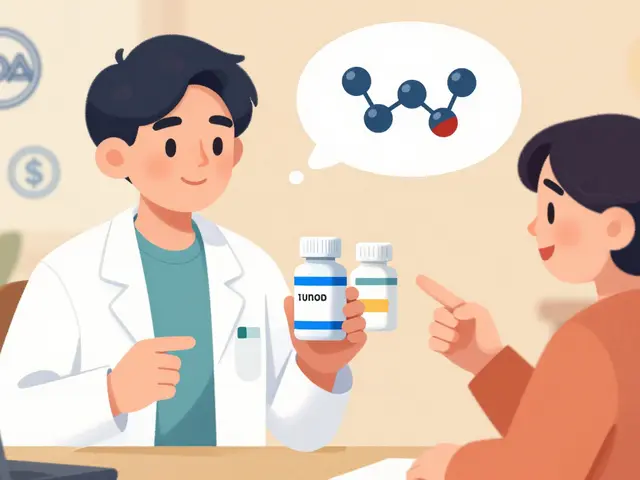
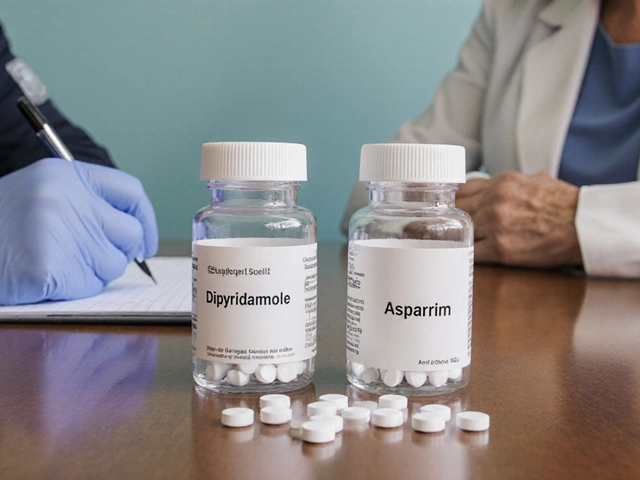
When you pick up a prescription, the prescription drug labels, the printed information on medication bottles that tells you what the drug is, how much to take, and when to take it. Also known as medication labels, they’re your first and last line of defense against dangerous mistakes. Most people glance at them once and assume they’re fine—but that’s where errors start. A single misread dose, wrong timing, or missed warning can lead to hospitalization, organ damage, or worse. You don’t need to be a pharmacist to understand these labels. You just need to know what to look for—and how to check it every single time.
Medication safety, the practice of using drugs correctly to avoid harm starts with the label. It tells you the drug name (brand and generic), strength, dosage instructions, expiration date, and warnings. But it also hides risks: interactions with food, other meds, or conditions like kidney disease. For example, if you’re on a blood thinner, the label might warn you to avoid ibuprofen—but if you skip reading it, you could bleed internally. Pill label verification, the habit of checking the label before every dose cuts medication errors by 76%, according to real-world studies. That’s not a suggestion—it’s a survival habit. And it’s not just for seniors. Anyone taking more than one prescription, or mixing meds with supplements, needs this routine.
Why do so many people skip this? Because labels look the same. But they’re not. One bottle might say "take once daily," while another says "take at bedtime." One might warn about grapefruit, another about driving. Medication adherence, taking your drugs exactly as prescribed isn’t just about remembering to take them—it’s about knowing what you’re taking. Switching from brand to generic? The label should reflect the change, but the active ingredient stays the same—unless there’s contamination, like NDMA in some generics, which has triggered recent recalls. And if you’re on thyroid meds, heart drugs, or seizure treatments, even tiny differences in generic versions can throw off your balance. That’s why keeping a medication journal helps: you track how you feel after each refill and catch subtle shifts before they become crises.
And don’t forget the invisible risks. Drug interactions don’t always show up on the label. If you’re taking azithromycin and have a heart condition, the label won’t scream "risk of fatal arrhythmia." But if you’ve read up on it—or talked to your pharmacist—you’ll know to ask. The same goes for supplements. A natural product like St. John’s wort might be on your shelf, but it can cancel out birth control or make antidepressants dangerous. Labels don’t always cover that. You have to connect the dots.
Below, you’ll find real, practical guides on how to read labels correctly, track your meds, spot dangerous interactions, and protect yourself when switching generics or dealing with language barriers at the pharmacy. These aren’t theory pieces—they’re tools used by people who’ve been burned by mistakes. Whether you’re managing your own prescriptions, caring for an aging parent, or helping someone with multiple conditions, the right habit saves lives. Start here. Check the label. Again. And again.
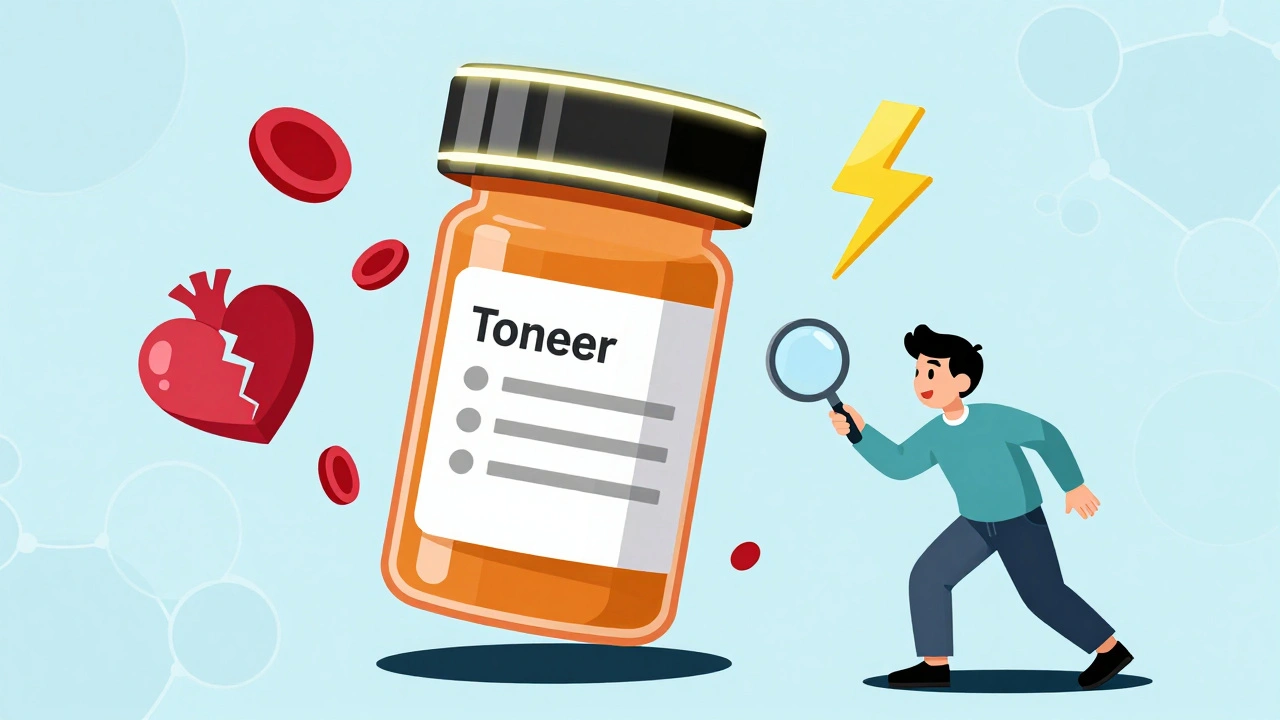
How to Read the Safety and Warnings Sections of Prescription Drug Labels
Learn how to read the safety and warnings on prescription drug labels to avoid dangerous side effects and drug interactions. Understand black box warnings, pharmacy stickers, and what to do when you're unsure.
View MorePopular Posts