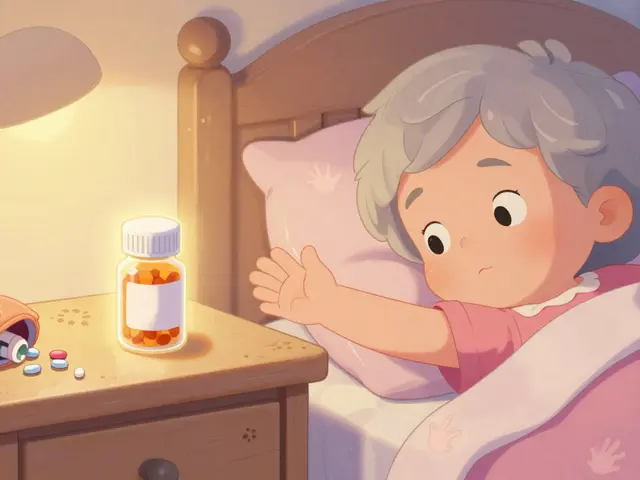
Pill Label Verification: How to Spot Fake, Misleading, or Dangerous Medications
When you pick up a prescription, pill label verification, the process of checking a medication’s label for accuracy, authenticity, and safety details. Also known as medication label review, it’s not just a formality—it’s your last line of defense against deadly mistakes. A misprinted label, a wrong dosage, or a contaminated batch can turn a lifesaving drug into a hidden threat. You don’t need to be a pharmacist to catch red flags. You just need to know what to look for—and what to question.
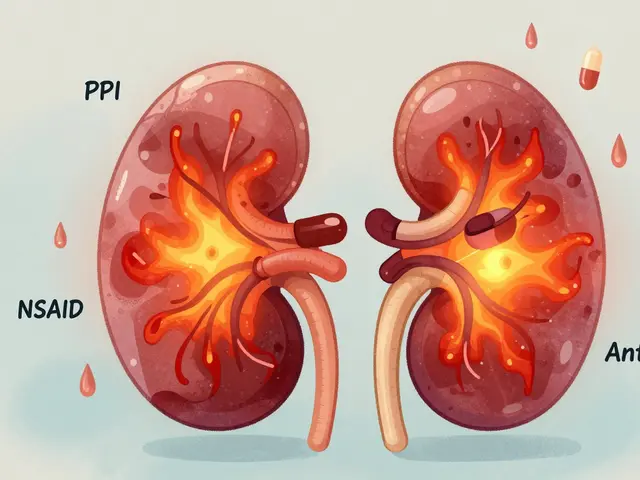
Many people assume their pharmacy or manufacturer has it covered. But recent cases of generic drug contamination, the presence of harmful chemicals like NDMA or benzene in supposedly safe medications show that even trusted brands aren’t immune. In 2023, the FDA recalled over 100 batches of common generics because of contamination. Some pills had the wrong active ingredient entirely. Others were missing it. drug interactions, harmful combinations between medications, supplements, or foods add another layer of risk. Grapefruit can turn a blood pressure pill into a heart hazard. A common antacid might cancel out your thyroid med. These aren’t rare accidents—they’re predictable, preventable errors.
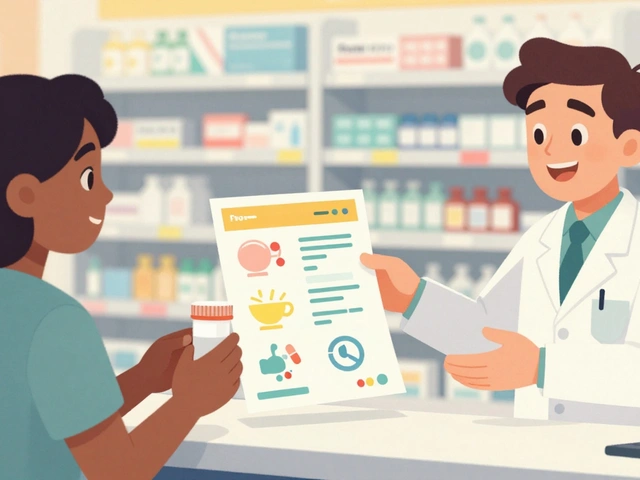
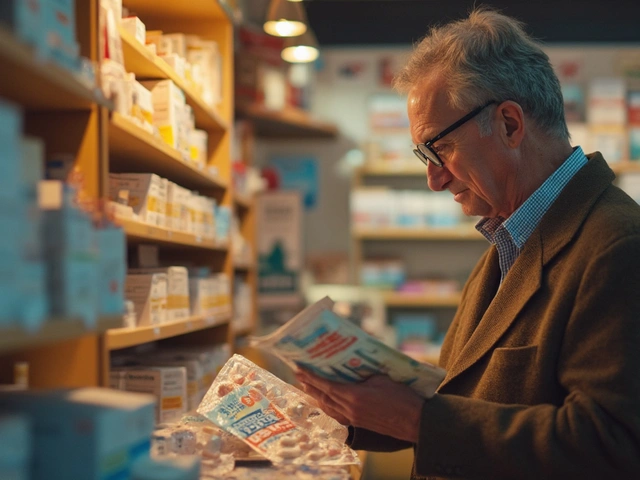
Here’s what you can do right now: Check the pill’s color, shape, and imprint code against a trusted database like the FDA’s or your pharmacy’s online tool. Compare the label to your prescription. Does the dosage match? Is the manufacturer name familiar? Are there typos or blurry printing? If your pill looks different from last month’s, ask why. Don’t let them brush you off with, “It’s just a different generic.” For drugs with a narrow therapeutic index—like levothyroxine, warfarin, or phenytoin—even small changes can cause serious harm. That’s why keeping a medication journal matters. Write down how you feel after each refill. Track side effects, energy levels, sleep, or mood shifts. If something feels off, bring your journal to your doctor. It’s not paranoia. It’s protection.
You’re not just a patient. You’re the final checkpoint in the system. Pharmacists are overworked. Manufacturers cut corners. Supply chains are fragile. And pills don’t come with warning stickers saying, “This batch might be toxic.” That’s why pill label verification isn’t optional. It’s routine. It’s personal. And it’s the one thing no one else can do for you.
Below, you’ll find real-world stories and practical guides on spotting dangerous meds, understanding generic switches, and protecting yourself from hidden risks—from contaminated pills to deadly interactions. These aren’t theory pieces. They’re tools you can use today.

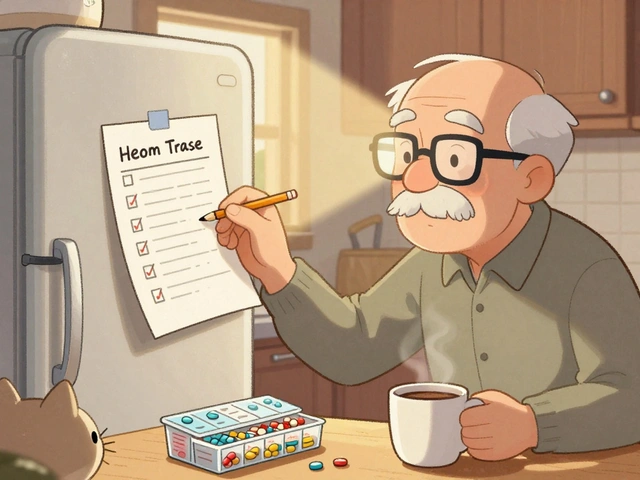
How to Train Yourself to Check Labels Before Every Dose for Medication Safety
Learn how to build a simple, life-saving habit of checking medication labels before every dose. Reduces medication errors by 76% and works for anyone managing multiple prescriptions.
View MorePopular Posts