Outcomes Data Generics: What Real-World Results Tell You About Generic Drugs
When you hear outcomes data generics, real-world evidence showing how generic medications perform after they’re prescribed to actual patients. Also known as real-world evidence, it’s not about clinical trial numbers—it’s about what happens when millions of people take these drugs daily, sometimes for years. This isn’t theoretical. It’s the kind of data that tells you if a generic levothyroxine keeps your TSH stable, if a generic sildenafil works as well as the brand, or if a contaminated batch of generic Mucinex caused real harm. It’s the difference between a lab report and a patient’s diary.
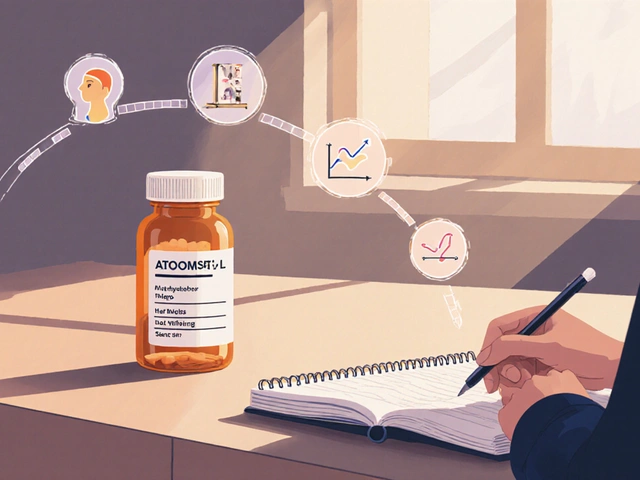
Outcomes data generics don’t just confirm bioequivalence—they uncover hidden patterns. For example, studies show that for drugs with a narrow therapeutic index, like levothyroxine or phenytoin, even small differences in absorption can lead to measurable changes in how patients feel. One person might switch from one generic brand to another and suddenly feel fatigued or anxious. That’s not in the FDA’s approval documents. That’s in the outcomes data. And it’s why doctors now recommend tracking medication response in a journal, especially when switching generics. It’s also why contamination issues with NDMA or benzene in generics aren’t just headlines—they’re patient safety alerts backed by real-world outcomes.
When you look at the broader picture, outcomes data generics connect directly to other critical topics. generic drug safety, the ongoing assessment of whether generic medications cause fewer or more adverse events than brand-name versions. Also known as generic medication safety, it’s the reason we track side effects like bleeding risk with SSRIs or liver stress with statins after switching to generics. And generic medication effectiveness, how well a generic drug works in everyday settings, not just controlled trials. Also known as real-world effectiveness, it’s what tells us if a generic antibiotic like cephalexin clears a sinus infection just as fast as the brand, or if a cheaper version of prazosin fails to stop PTSD nightmares. These aren’t abstract concepts—they’re the reasons people keep journals, ask for TSH tests after switching thyroid meds, or double-check their pharmacy’s source.
Outcomes data generics also expose gaps in how we think about cost and quality. Just because a drug is cheaper doesn’t mean it’s safer or more effective for everyone. The data shows that for some, the difference between generics isn’t just price—it’s sleep, energy, mood, or even survival. That’s why understanding this data matters. It helps you ask the right questions when your pharmacist switches your med. It tells you when to push for a specific brand. And it shows why some conditions—like heart disease, epilepsy, or thyroid disorders—need extra caution.
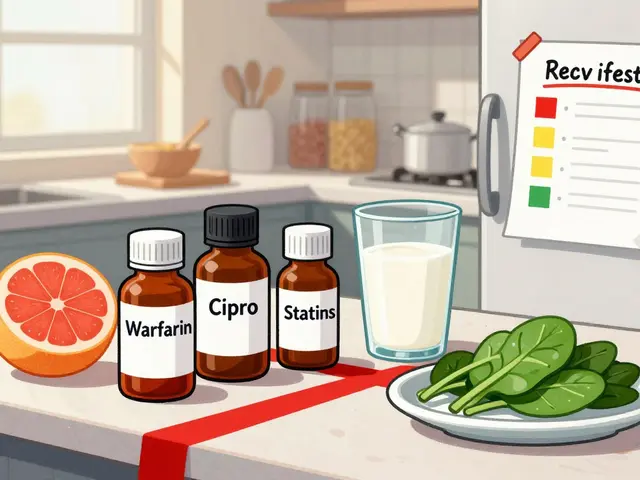
What you’ll find below is a collection of real stories, comparisons, and warnings—all rooted in outcomes data generics. From contamination alerts to TSH monitoring after switching thyroid meds, from bupropion side effects to how grapefruit changes blood pressure drug levels, every post here answers one question: What actually happens when people take these drugs? No fluff. No marketing. Just what the data, and real patients, are telling us.
Cardiovascular Generics: What Safety Studies and Real-World Data Really Show
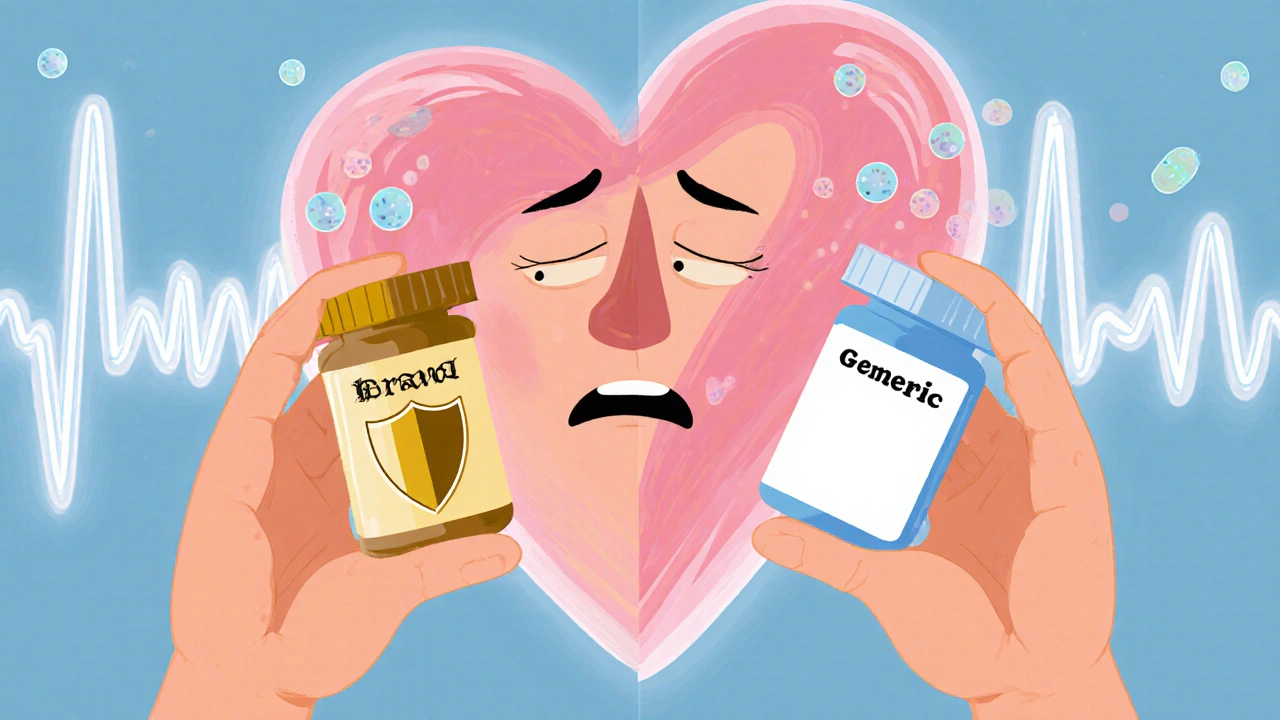
Cardiovascular generics save billions but aren't always equal. Real-world data shows mixed safety results-some work fine, others trigger side effects. Here's what the studies and patient experiences reveal.
View MorePopular Posts