Naloxone: What It Is, How It Saves Lives, and What You Need to Know
When someone overdoses on opioids, every second counts. Naloxone, a medication that rapidly reverses opioid overdose by blocking opioid receptors in the brain. Also known as Narcan, it’s not a cure—it’s a bridge back to life. Without it, many people die before emergency help arrives. With it, they get a second chance.
Naloxone works fast—often in under five minutes—and it only affects opioids. That means if someone overdoses on heroin, fentanyl, oxycodone, or even prescription painkillers, naloxone can snap them back. It doesn’t work on alcohol, benzodiazepines, or stimulants like cocaine. But when opioids are the problem, it’s the most reliable tool we have. It comes in easy-to-use forms: a nasal spray you can hand to a friend, or an auto-injector that talks you through the steps. No medical training needed. Just follow the instructions.
People who use opioids, their families, friends, and even strangers on the street are now carrying naloxone. It’s not about judging use—it’s about saving lives. In communities where overdoses are common, pharmacies hand it out without a prescription. Schools, shelters, and even police cars keep it on hand. And it’s safe. Even if you give it to someone who didn’t overdose, it won’t hurt them. It’s like a fire extinguisher: you hope you never need it, but you’re glad it’s there when you do.
But naloxone isn’t the end of the story. After it works, the person can go back into overdose once the drug wears off. That’s why calling 911 after giving naloxone is non-negotiable. Emergency care is still needed. And while naloxone saves lives, it doesn’t treat addiction. That’s where counseling, support groups, and medications like buprenorphine come in. These are the next steps—and many of the articles below cover them in detail.
You’ll find real-world advice here on how to recognize an overdose, how to respond, and what to do after naloxone is given. You’ll also see how it connects to other medications like prazosin for PTSD, or how drug interactions can make overdoses more likely. There are guides on managing pain without opioids, understanding generic drug safety, and even how to talk to someone about their use. This isn’t just about one drug—it’s about a whole system of care, awareness, and action.
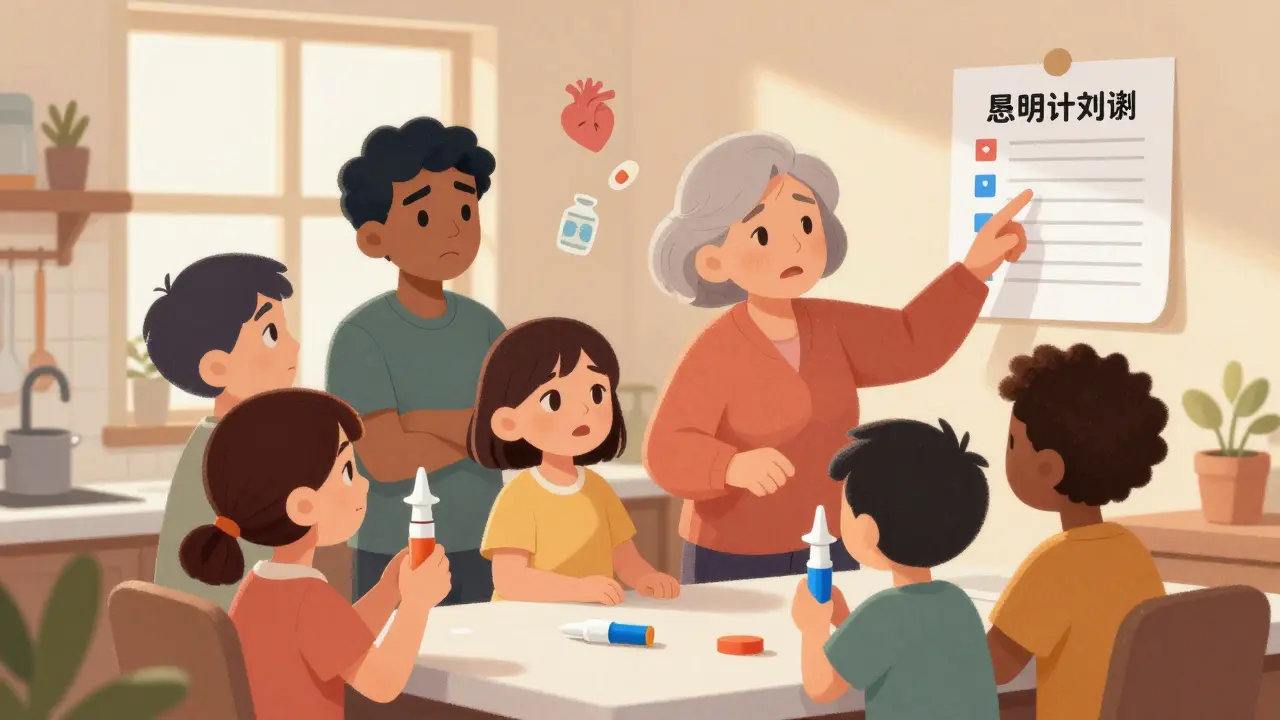
Naloxone Readiness Plan: How to Keep Patients Safe on Opioids
A naloxone readiness plan saves lives. Learn how to recognize opioid overdose, use nasal spray correctly, and keep kits accessible - whether you're a patient, caregiver, or workplace manager.
View More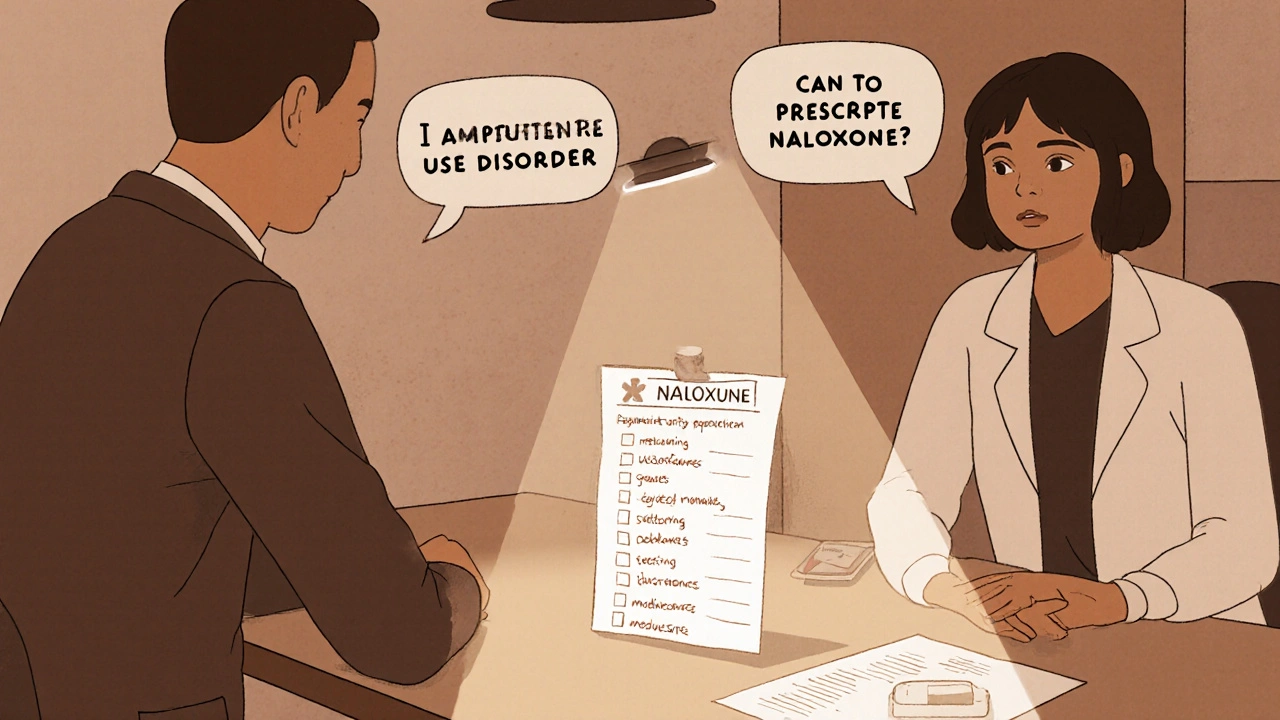
How to Talk to Your Doctor About Overdose Risk Without Being Judged
Learn how to talk to your doctor about overdose risk using clear, evidence-based language that reduces stigma and increases your chances of getting life-saving help like naloxone.
View More