Medication Adherence: Why Sticking to Your Prescriptions Matters and How to Get It Right
When you take a medicine exactly as your doctor ordered, that’s medication adherence, the practice of following a prescribed drug regimen without skipping, delaying, or stopping doses. Also known as drug compliance, it’s not just a checklist item—it’s the difference between feeling better and ending up in the hospital. Studies show nearly half of people with long-term conditions don’t take their meds right. And it’s not because they’re careless—it’s because the system is messy. You’ve got pills to take at different times, confusing instructions, side effects that scare you off, and generic switches that make your body react differently. All of this adds up to broken routines.
Medication adherence ties directly into generic drug safety, how consistent and predictable a generic version performs compared to the brand. If you switch from one generic levothyroxine to another and your TSH spikes, you might think the new pill isn’t working—but it’s your body adjusting. That’s why keeping a medication journal, a personal log of how you feel after each dose or switch matters. It’s not about perfection—it’s about noticing patterns. Did your stomach upset start after the pill color changed? Did your blood pressure drop after switching brands? These are clues your doctor needs.
Then there’s the hidden problem: side effects, unwanted reactions that make people stop taking their meds. You might skip a beta-blocker because it makes you tired. You might avoid an SSRI because it killed your sex drive. You might drop your statin because you heard about muscle pain. But here’s the truth: stopping without talking to your doctor is riskier than the side effect. That’s why posts on this page cover how to adjust your routine—like using the talk test to exercise safely on beta-blockers, or pairing probiotics with antibiotics to cut diarrhea by 70%. It’s not about pushing through pain. It’s about fixing the system around your meds so they actually work.
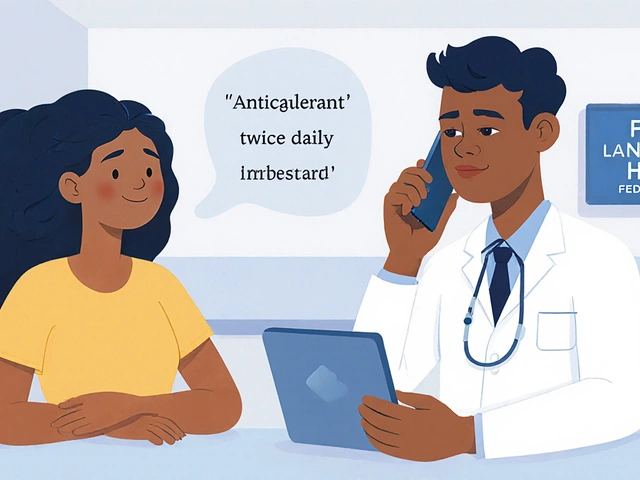
And let’s not forget the people who can’t even read the label. Language barriers, low health literacy, and pharmacy staff too busy to explain—these aren’t excuses. They’re system failures. Federal law says you’re entitled to a free interpreter for medication counseling. If you’re not offered one, ask. Your life depends on understanding what’s in that bottle.
This collection isn’t about guilt. It’s about solutions. You’ll find real-world fixes: how to track generic switches, what to do when grapefruit ruins your blood pressure pill, why some heart meds can’t mix with NSAIDs, and how to talk to your doctor about overdose risk without being judged. These aren’t theory pieces. They’re tools from people who’ve been there—patients, pharmacists, and providers who know that adherence isn’t about willpower. It’s about design, communication, and getting the right support at the right time.

How to Reduce Pill Burden with Combination Medications for Seniors
Combination medications help seniors take fewer pills daily, improving adherence and reducing health risks. Learn how single-pill combos work, their benefits, risks, and how to talk to your doctor about switching.
View More
How to Involve Family or Caregivers in Medication Support
Learn how family and caregivers can help manage medications safely to prevent errors, reduce hospital visits, and improve health outcomes. Practical steps, tools, and expert tips for supporting loved ones on multiple prescriptions.
View More
How to Ask for 90-Day Supplies to Reduce Pharmacy Trips
Learn how to get a 90-day supply of your maintenance medications to cut pharmacy trips in half, save money, and improve adherence. Simple steps for insurance, doctors, and pharmacies.
View More
How to Track Adherence with Medication Lists and Logs: A Practical Guide for Patients and Caregivers
Learn how to track medication adherence using simple logs, smart pillboxes, and proven methods. Stop guessing-start knowing if you’re taking your pills correctly.
View More
How to Train Yourself to Check Labels Before Every Dose for Medication Safety
Learn how to build a simple, life-saving habit of checking medication labels before every dose. Reduces medication errors by 76% and works for anyone managing multiple prescriptions.
View More