Levodopa: What It Is, How It Works, and What You Need to Know
When your brain stops making enough levodopa, a chemical that turns into dopamine in the brain to help control movement. Also known as L-DOPA, it’s the foundation of treatment for Parkinson's disease, a nervous system disorder that causes shaking, stiffness, and slow movement. Without enough dopamine, your body doesn’t move the way it should. Levodopa doesn’t fix the root problem, but it replaces what’s missing — and for most people, it’s the most reliable way to get back some control.
Levodopa doesn’t work alone. It’s almost always paired with carbidopa, a drug that stops levodopa from breaking down before it reaches the brain. Without carbidopa, most of the levodopa would be used up by your body before it ever got to your brain. That means higher doses, more side effects, and less benefit. Together, they’re a team: levodopa delivers the dopamine, carbidopa makes sure it gets there. This combo is why pills like Sinemet and Rytary exist — and why they work better than levodopa by itself.
Levodopa isn’t perfect. Over time, its effects can become unpredictable. Some days, you get smooth movement. Other days, you experience "on-off" swings — sudden shifts between being able to move and being frozen. Long-term use can also lead to uncontrolled movements called dyskinesias. That doesn’t mean you should stop taking it. It means you need to work with your doctor to adjust timing, dose, or add other meds like COMT inhibitors or MAO-B blockers. People with Parkinson’s don’t just take one pill. They manage a system.
And it’s not just about the brain. Levodopa affects your gut, your blood pressure, and even your sleep. It can cause nausea — especially at first — which is why starting low and going slow matters. It can drop your blood pressure when you stand up, making you dizzy. And it can interfere with protein absorption, which is why some people find taking it 30 minutes before meals helps. These aren’t side effects you just live with. They’re signals. Track them. Talk about them. Your doctor needs to know what’s happening between visits.
There are no magic fixes. But levodopa remains the gold standard because it actually works — not just in studies, but in real lives. People who take it regularly report being able to walk again, tie their shoes, hold a cup without shaking. It doesn’t cure Parkinson’s. But for millions, it gives back time, dignity, and movement. The posts below dig into the real-world details: how switching brands affects you, what happens when you miss a dose, why some people respond differently, and how to spot warning signs before they become crises. This isn’t theory. It’s what people are actually experiencing — and what you need to know to manage your treatment with confidence.
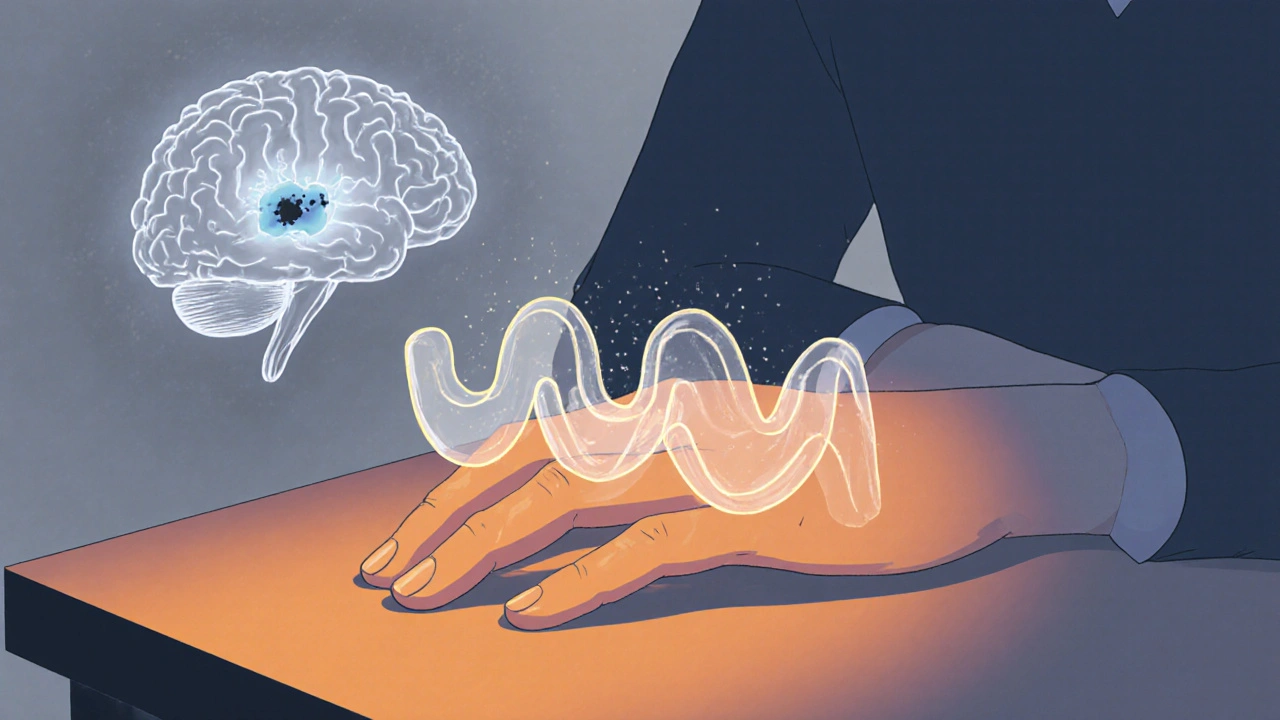
Parkinson’s Disease: Understanding Tremor, Stiffness, and How Dopamine Replacement Works
Parkinson’s disease causes tremor, stiffness, and movement problems due to dopamine loss. Dopamine replacement with levodopa helps symptoms but has long-term side effects. Learn how treatment works and what to expect.
View MorePopular Posts

How Pets Help People Recover from Illness
6 Oct 2025