Hearing Loss Causes: What Really Leads to Hearing Problems
When your ears start to feel muffled or you keep asking people to repeat themselves, it’s not just aging—it’s hearing loss, a condition where the ability to detect sound diminishes due to damage in the ear or auditory pathways. Also known as sensorineural or conductive hearing impairment, it’s not one single problem but a group of conditions with clear, often preventable causes. Many assume it’s just part of getting older, but that’s only one piece. The real story includes noise, medications, infections, and even genetics—all playing a role in how and when your hearing declines.
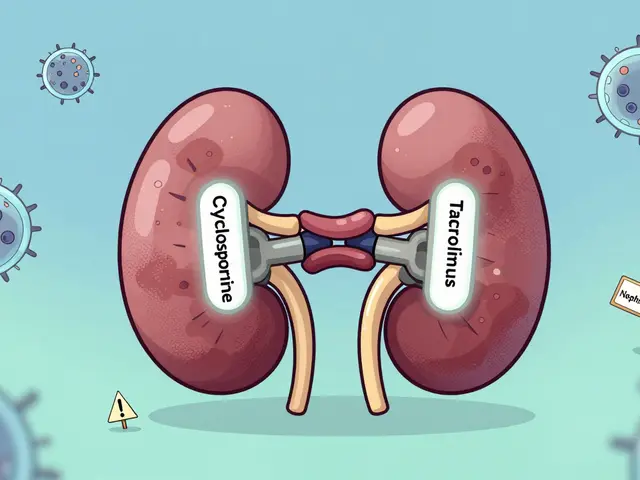
Noise-induced hearing loss, damage from prolonged or sudden exposure to loud sounds is the most common preventable cause. Think construction sites, concerts, or even headphones turned up too high. It doesn’t always happen overnight—it builds slowly, and by the time you notice, the damage is often permanent. Then there’s age-related hearing loss, the gradual decline in hearing as inner ear structures wear down over time. It’s normal, but not unavoidable. What you do earlier in life—like protecting your ears—can slow it down. Some ototoxic drugs, medications that harm the inner ear or auditory nerve, also play a part. Antibiotics like gentamicin, certain chemotherapy drugs, and even high doses of aspirin can quietly damage hearing. And don’t forget ear infections, especially repeated ones in children or adults with chronic fluid buildup. They can cause temporary or lasting hearing loss if not treated properly.
These causes don’t work in isolation. Someone with a genetic tendency for hearing loss might lose hearing faster after years of loud job noise. Or a person on multiple medications might develop hearing issues sooner than expected. That’s why simply blaming age misses the point. The real question isn’t "why now?" but "what led to this?" The posts below break down exactly how these causes show up in real life—from how a single concert can hurt your ears to which pills carry hidden risks, and how infections you thought were "just a cold" might be quietly affecting your hearing. You’ll find practical advice on spotting early signs, avoiding preventable damage, and understanding what your doctor should be checking for.
Sensorineural Hearing Loss: Causes, Symptoms, and Permanent Hearing Damage
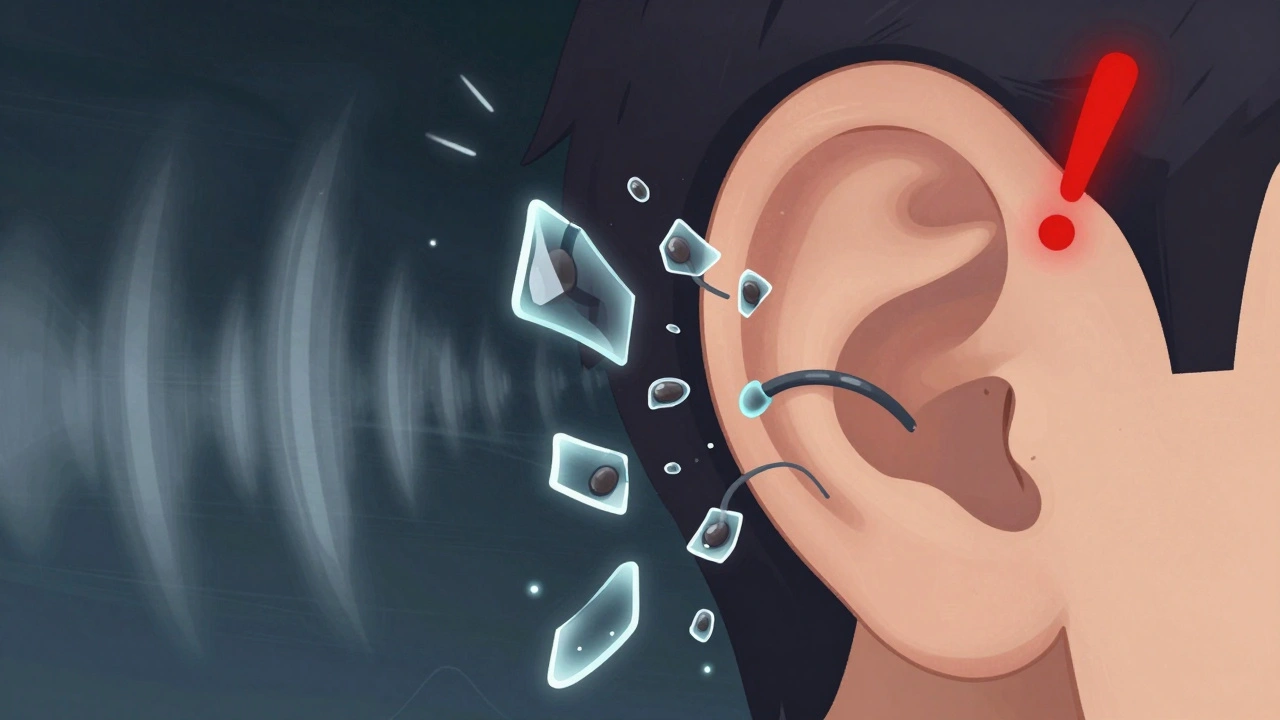
Sensorineural hearing loss is permanent inner ear damage caused by aging, noise, or disease. Learn the causes, symptoms, and real-world solutions like hearing aids and cochlear implants - and why early action matters.
View MorePopular Posts