
Generic Substitution: What It Means and When It Matters
When you pick up a prescription, you might be handed a pill with a different name than what your doctor wrote—that’s generic substitution, the practice of replacing a brand-name drug with a chemically identical version approved by regulators. Also known as therapeutic substitution, it’s meant to cut costs without sacrificing effectiveness. But not all substitutions are harmless, and some can change how your body responds—especially with drugs where tiny differences matter.
Not every medication plays nice when swapped. Levothyroxine, a thyroid hormone used to treat hypothyroidism, is one of the most sensitive. Even small changes in absorption between generic brands can throw off your TSH levels, which is why people with thyroid cancer or heart disease are told to stick to one version. Then there’s phenytoin, an antiseizure drug with a narrow safety window. A slight shift in blood levels can mean the difference between control and a seizure. And warfarin, a blood thinner, can become dangerous if its generic version interacts differently with food or other meds. These aren’t theoretical risks—real patients have been hospitalized because of unnoticed switches.
But here’s the thing: for most people, generic substitution works fine. The FDA requires generics to have the same active ingredient, strength, and route of administration as the brand. The problem isn’t the law—it’s the gaps in monitoring. If you’re on a stable dose of a generic and feel fine, you’re probably okay. But if you’ve had side effects after a switch, or if you’re taking multiple meds that interact, you need to speak up. Contamination scares—like NDMA in some generics or benzene in over-the-counter products—show that quality control isn’t perfect. And when you’re switching between brands online, especially from unverified pharmacies, you’re playing Russian roulette with your health.
What you’ll find in the posts below isn’t just a list of drug comparisons. It’s a practical guide to spotting when generic substitution might backfire. From how grapefruit messes with blood pressure meds to why some antidepressants raise bleeding risk, these articles show you where the real risks hide. You’ll see how people have been caught off guard by switches in thyroid meds, painkillers, and even erectile dysfunction drugs. And you’ll learn how to ask the right questions before accepting a substitution—because saving a few dollars shouldn’t mean risking your health.
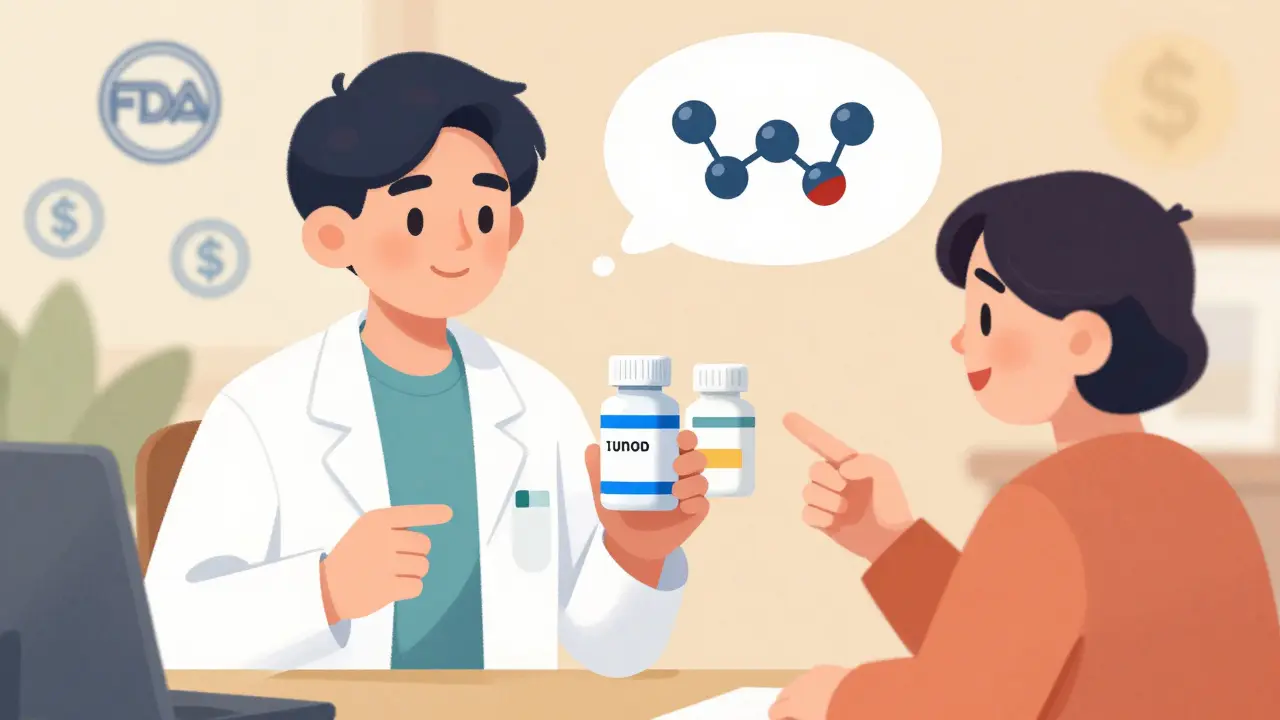
How to Communicate With Your Pharmacy During Generic Drug Transitions
Learn how to communicate with your pharmacy during generic drug transitions to avoid side effects, insurance issues, and medication gaps. Get practical tips on when to speak up, what to ask, and how to stay in control.
View More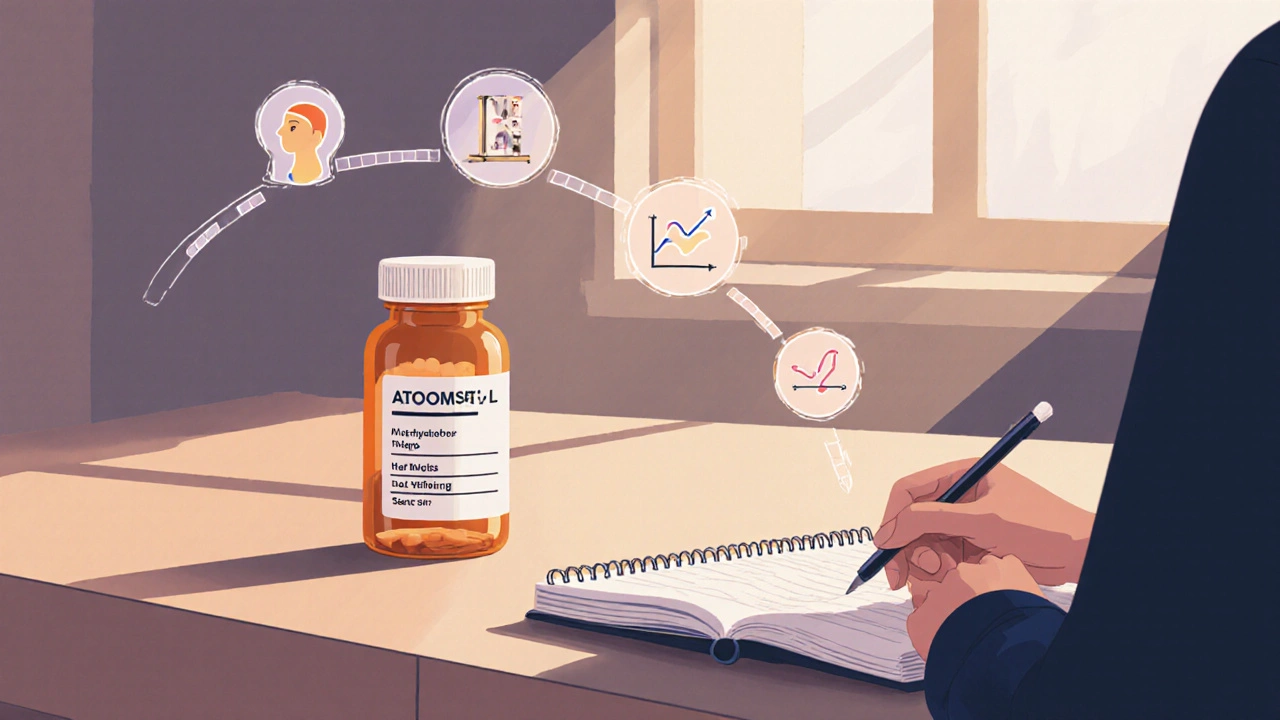
Keeping a Medication Journal: Tracking Your Response to Generic Medications
Keep a medication journal to track how your body responds when switching to generic drugs. Learn what to record, which meds need it most, and how to use your journal with your doctor.
View MorePopular Posts