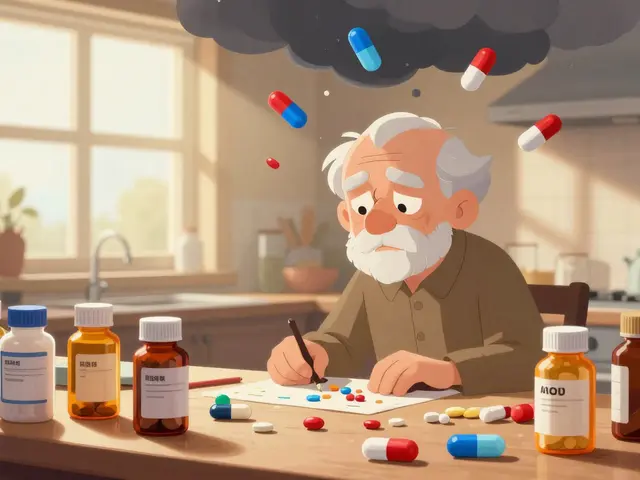
Generic Medication Safety: What You Need to Know Before Taking Cheaper Pills
When you pick a generic medication, a chemically identical version of a brand-name drug approved by health regulators. Also known as non-branded drugs, it saves money without changing how the medicine works—for most people. But safety isn’t automatic. Switching from brand to generic sounds simple, but it’s not always harmless. Some drugs, like levothyroxine, a hormone replacement used for underactive thyroid, need close monitoring after a switch because tiny differences in absorption can throw off your entire treatment. If you have heart disease, thyroid cancer, or had bad reactions before, your doctor should check your TSH levels 6 to 8 weeks after changing brands.
Not all generics are created equal, and the real danger often comes from what they’re mixed with. Drug interactions, when two or more medicines react in harmful ways inside your body can turn a safe generic into a risk. Grapefruit juice, for example, doesn’t care if your blood pressure pill is brand-name or generic—it still blocks how your liver breaks down drugs like amlodipine or felodipine, causing levels to spike dangerously. Same goes for mixing SSRIs, a class of antidepressants that affect serotonin with blood thinners. Even if you’re on a cheap generic version of sertraline or paroxetine, the bleeding risk doesn’t disappear. These aren’t edge cases—they’re common, and they happen every day because people assume "generic" means "safe without questions." It doesn’t.
What you’ll find below isn’t a list of warnings—it’s a practical guide to navigating the real world of generic meds. You’ll see how switching painkillers like diclofenac affects your stomach, why some people need to avoid certain citrus fruits even with generics, and how antibiotics like clindamycin or doxycycline can be bought safely online without falling for scams. You’ll learn why some people need to test their blood after changing thyroid meds, while others don’t. You’ll see how the same drug can be safe for one person and risky for another, based on age, other conditions, or what else they’re taking. This isn’t theory. It’s what people actually run into when they choose cost over caution—and how to avoid the traps.
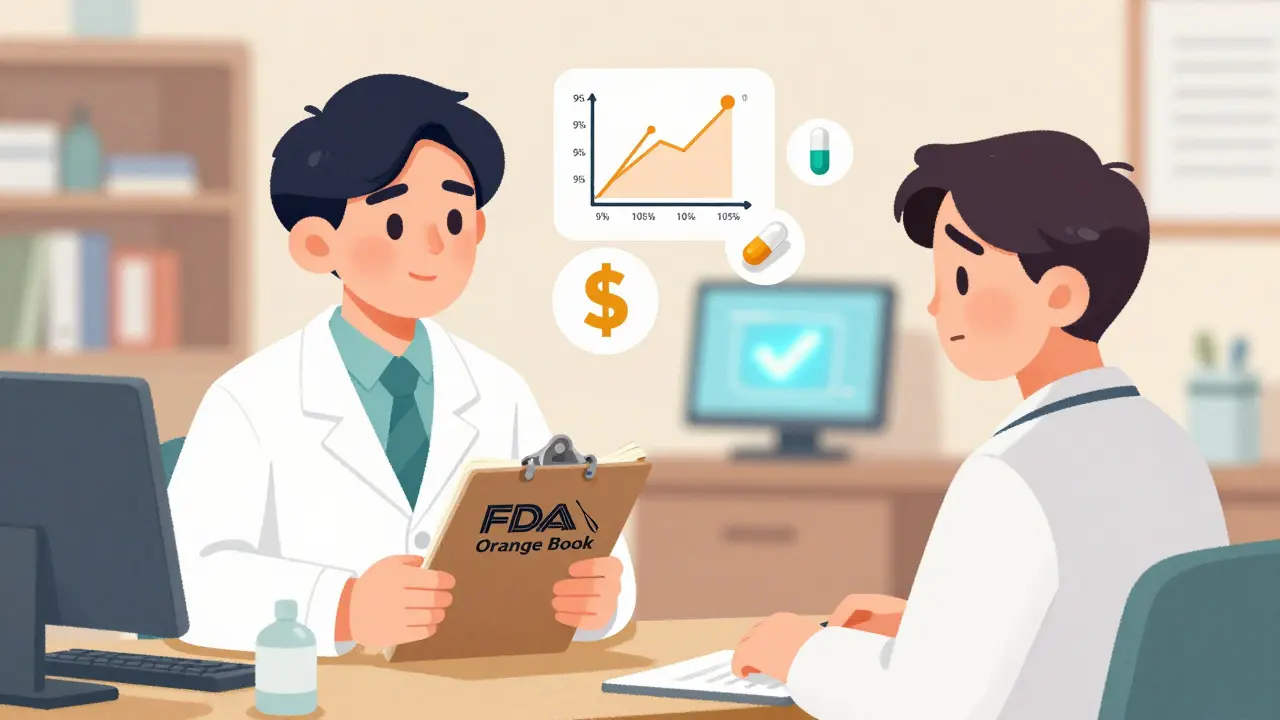
How Pharmacists Communicate Generic Recommendations to Prescribers
Pharmacists play a key role in recommending generic drugs to prescribers, improving adherence and cutting costs. Learn how they use FDA data, state laws, and clear communication to make safe substitutions.
View More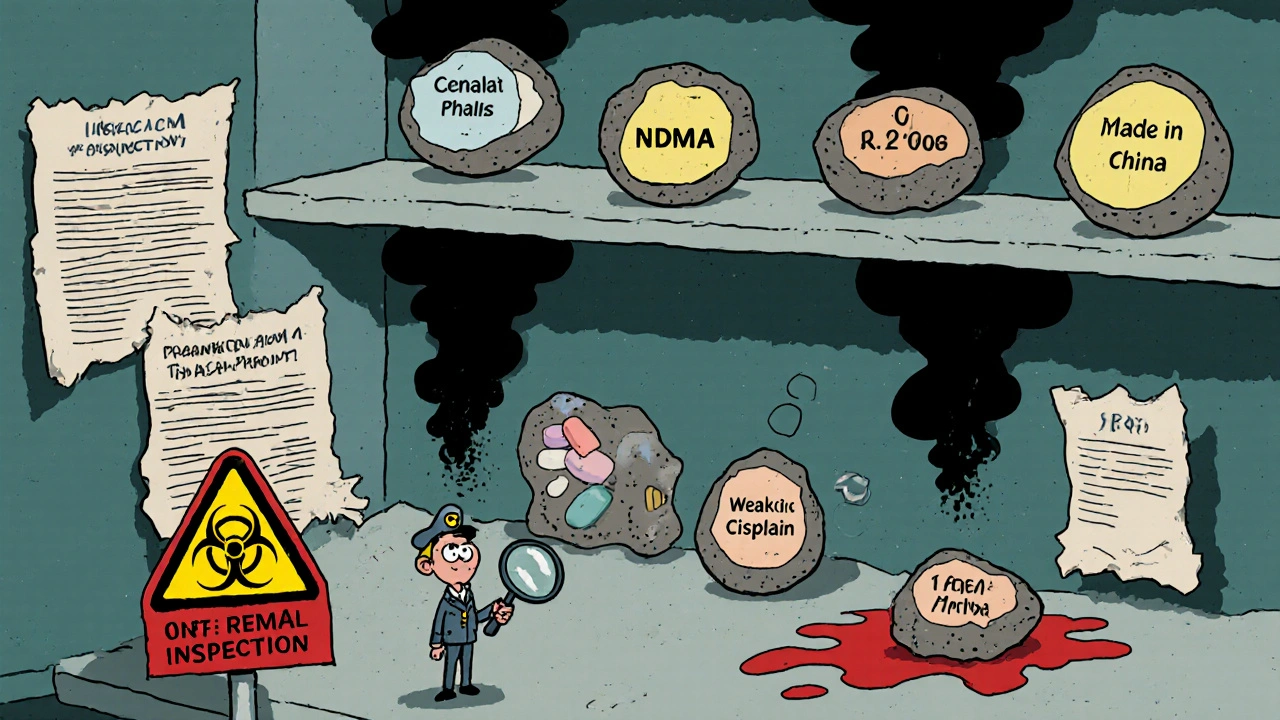
Contamination Issues in Generic Drugs: Recent Cases and How to Prevent Them
Recent cases show dangerous contaminants like NDMA and benzene in generic drugs, raising serious safety concerns. Learn what’s being recalled, who’s at risk, and how to protect yourself.
View More