
Medication Emergency Symptom Checker
This tool helps you determine whether your medication symptoms are a medical emergency. If any critical red flags apply, call 999 immediately. This tool is based on information from the article "When to Seek Emergency Care for Medication Side Effects".
No critical symptoms selected
You've selected symptoms that are generally not life-threatening. However, if your symptoms persist or worsen, contact your healthcare provider.
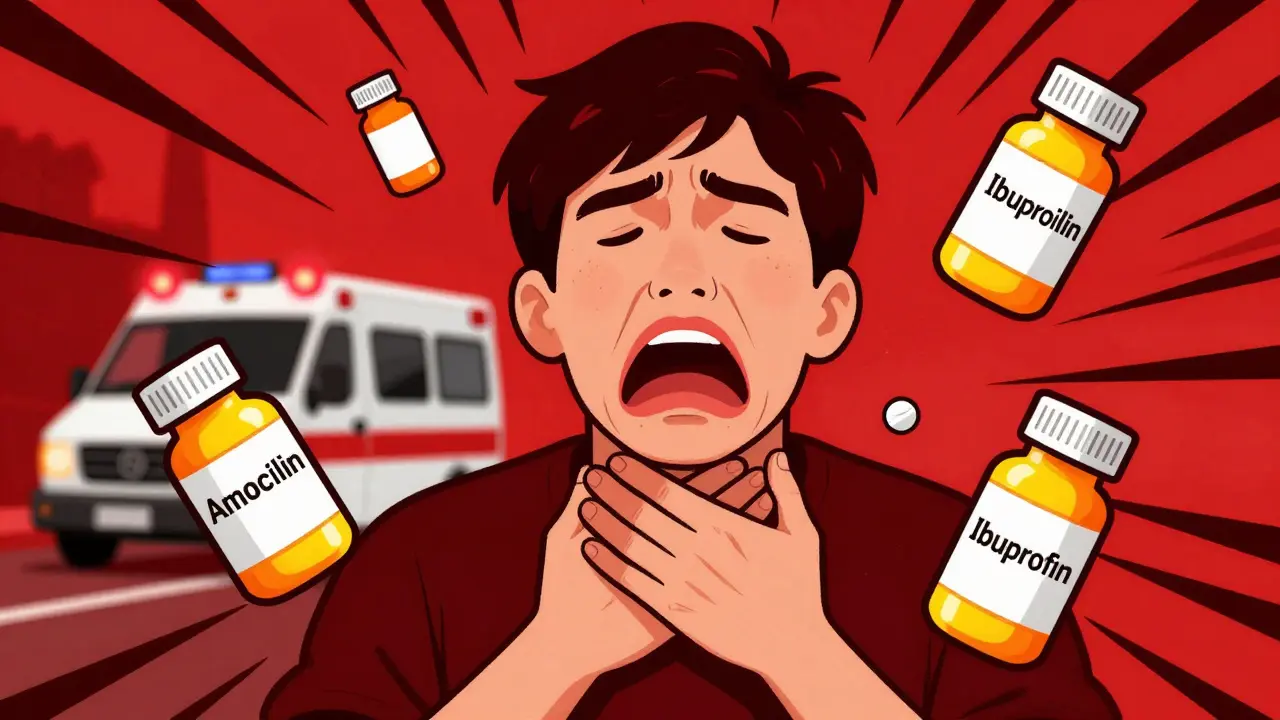
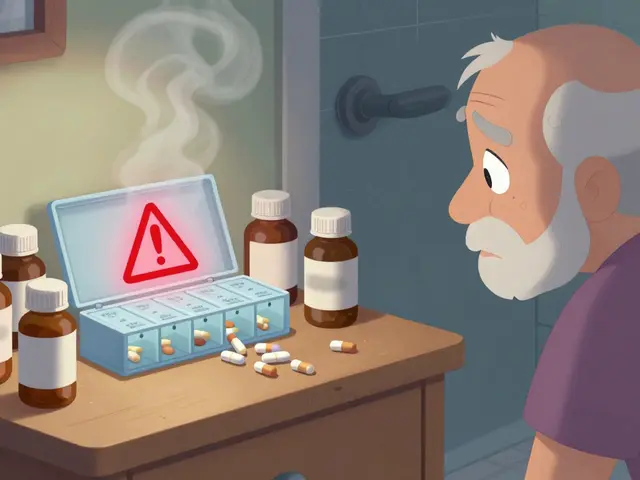
It’s easy to assume that if you feel a little off after starting a new medication, it’s just a side effect you’ll get used to. But some reactions aren’t just uncomfortable-they’re life-threatening. In the UK, over 12,000 people are admitted to hospital each year because of unexpected reactions to medicines, and many of those cases could have been prevented if the warning signs had been recognized sooner.
What Counts as a Medication Emergency?
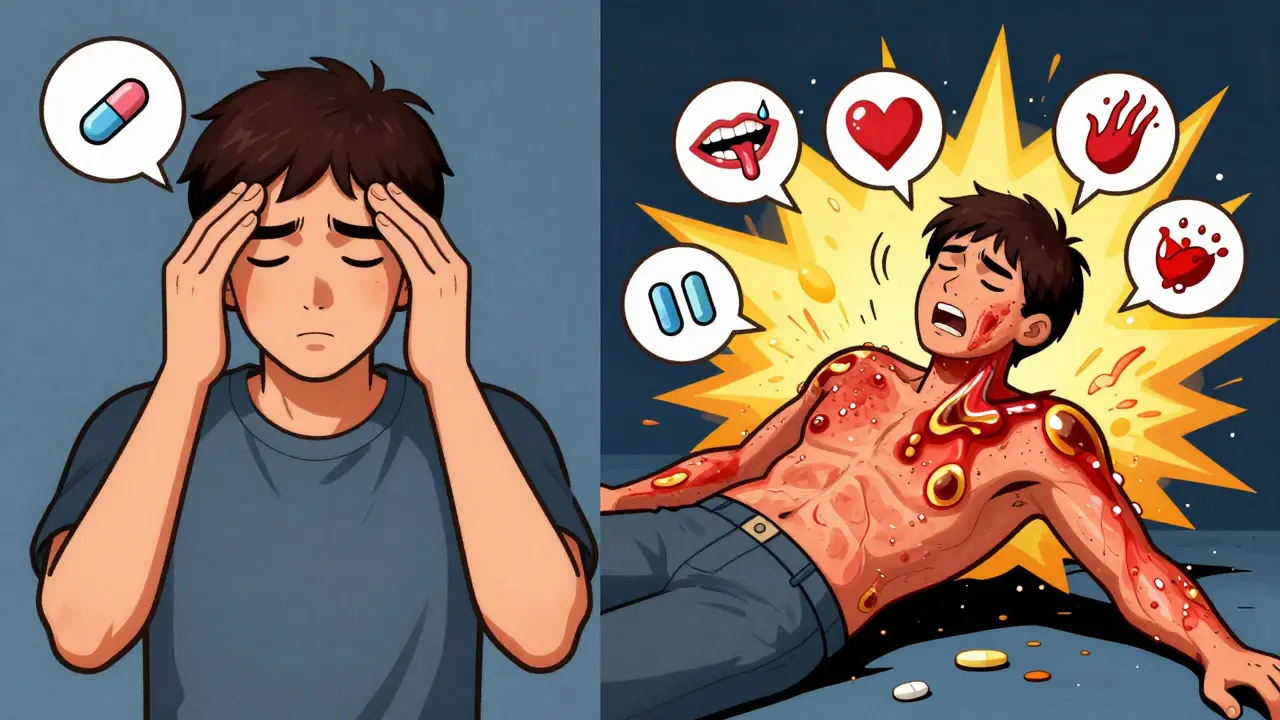
Not every side effect needs an ambulance. Nausea, drowsiness, or a mild rash might be annoying, but they’re often harmless. A true emergency happens when your body is having a severe, systemic reaction. The key is knowing which symptoms mean immediate action is required.Here’s what you should never ignore:
- Difficulty breathing, wheezing, or feeling like your throat is closing
- Sudden swelling of the lips, tongue, or face
- Blue or gray lips or fingertips
- Severe dizziness, fainting, or loss of consciousness
- Chest pain or a heartbeat that races or skips
- High fever (102°F or higher) with confusion or chills
- Severe abdominal pain that spreads to your back
- Unexplained bruising, bleeding gums, or blood in urine or stool
- Slurred speech, weakness on one side of your body, or sudden vision loss
- Widespread blistering skin rash with peeling or painful mucous membranes (mouth, eyes, genitals)
These aren’t "wait and see" symptoms. If you’re taking any medication-prescription, over-the-counter, or even herbal-and you develop any of these, call 999 or go to A&E right away. Don’t wait for them to get worse.
Common Medications That Trigger Dangerous Reactions
Some drugs are more likely than others to cause life-threatening reactions. Antibiotics like penicillin and sulfa drugs are top culprits for severe allergies. But it’s not just antibiotics. Blood thinners like warfarin can turn deadly if mixed with common painkillers like ibuprofen or naproxen. Studies show this combination can increase bleeding risk by up to 50%.Insulin, antidepressants, and seizure medications also carry high risks if dosed incorrectly or combined with other substances. Even something as simple as St. John’s Wort-a popular herbal supplement for low mood-can dangerously interfere with antidepressants, birth control, and heart medications. Many people don’t realize supplements are drugs too.
And it’s not just what you take-it’s what you’ve recently changed. Nearly 70% of serious reactions happen within 72 hours of starting a new medication or adjusting the dose. That’s why it’s so important to pay close attention in the first few days after a change.
How to Tell the Difference: Mild Side Effect vs. Medical Emergency
It’s hard to know when to act. A little nausea after antibiotics? Probably fine. Vomiting nonstop for hours with dizziness and dry mouth? That’s dehydration-and possibly a sign of liver or kidney stress. A small rash on your arm? Could be harmless. A rash that spreads fast, blisters, and peels off? That could be Stevens-Johnson Syndrome, a rare but deadly skin reaction.Here’s a simple way to think about it:
- Mild: Symptom is isolated, doesn’t get worse, and doesn’t affect your breathing, thinking, or circulation. Example: Mild headache after starting a new blood pressure pill.
- Emergency: Symptom is new, sudden, worsening, and involves multiple systems (like breathing + skin + dizziness). Example: Rash + swelling + trouble breathing after taking amoxicillin.
When in doubt, assume it’s serious. Better to be checked than to risk waiting too long.
What to Do If You Think You’re Having a Reaction
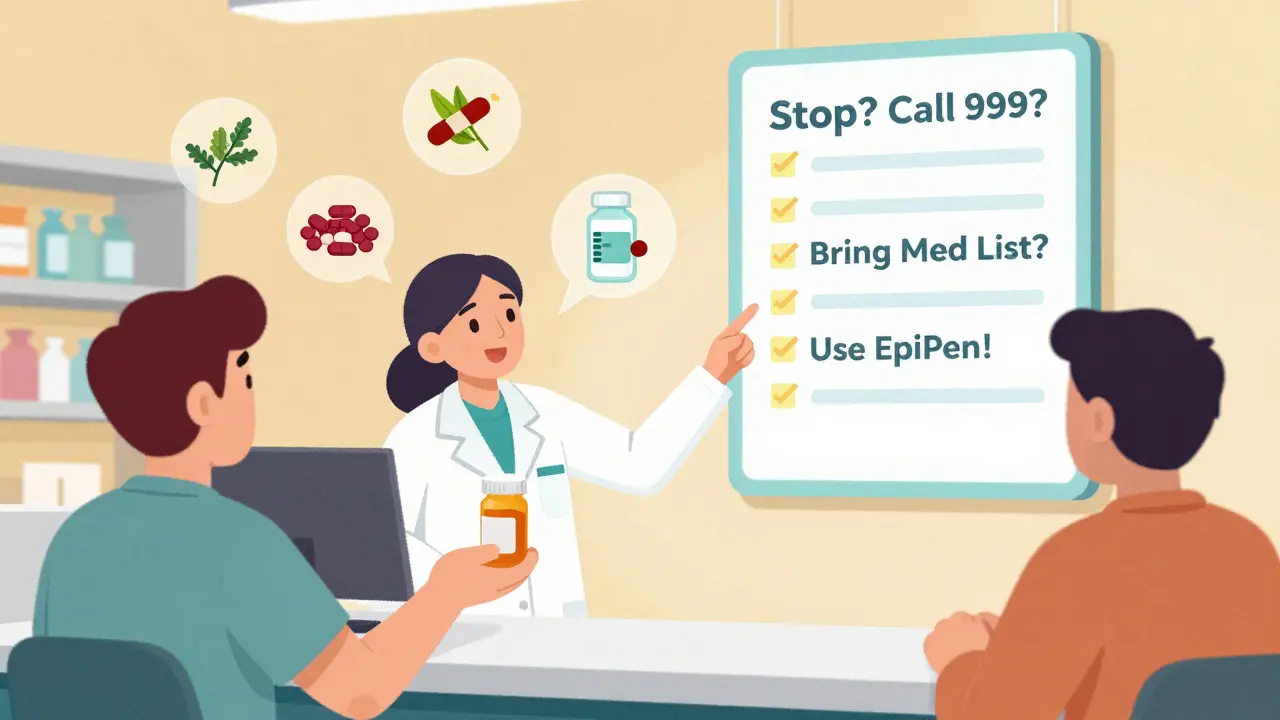
If you’re experiencing any of the red flags listed above, don’t text a friend. Don’t wait until morning. Don’t try to drive yourself.Here’s what to do:
- Stop taking the medication immediately.
- Call 999. Say: "I think I’m having a severe reaction to a medication." Give your name, location, and list your symptoms clearly.
- If you have an epinephrine auto-injector (like an EpiPen) and you’ve been prescribed one for known allergies, use it now. Even if you’re not sure-it’s safer to use it than not.
- Bring your medication list with you. Include names, doses, and when you last took them. Don’t rely on memory.
- If someone else is with you, ask them to call and stay with you.
Many people hesitate because they don’t want to "waste" the paramedics’ time. But emergency services are trained for this. It’s their job. If you’re unsure, call anyway. Better safe than sorry.
Why People Delay-And Why That’s Deadly
A 2023 study found that 61% of patients didn’t know whether their symptoms required emergency care. Too many assume side effects are normal. One Reddit user shared how she waited four hours after her amoxicillin caused swelling and a rash-only to end up in intensive care with throat swelling that nearly blocked her airway.Another common mistake? Blaming symptoms on something else. A sudden headache and slurred speech might be mistaken for a hangover or stress. But if it happened after starting a new blood thinner, it could be a stroke. A rapid heartbeat might be blamed on anxiety, when it’s actually a dangerous heart rhythm triggered by a drug interaction.
Doctors and pharmacists aren’t always perfect either. A 2023 report showed that 35% of anaphylaxis cases are misdiagnosed at first-often as asthma or panic attacks. That’s why you need to be your own advocate. If something feels wrong, say so.
How to Protect Yourself
Prevention starts before you even take the pill.- Know your meds: Keep a written list of everything you take-including vitamins, supplements, and herbal remedies. Bring it to every appointment.
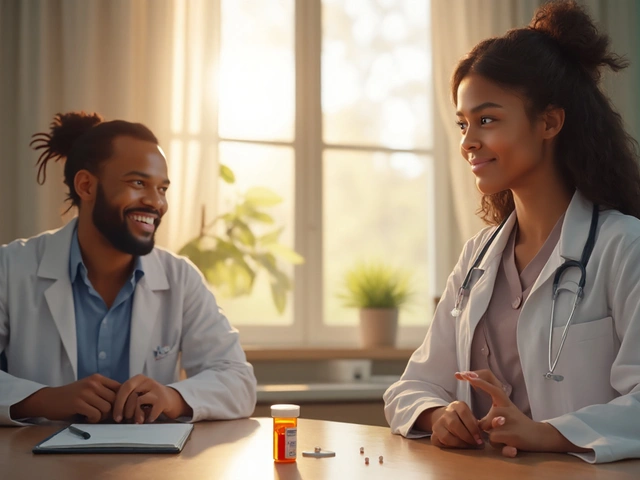
- Ask your pharmacist: When you pick up a new prescription, ask: "What are the warning signs I should never ignore?" Most pharmacists are trained to give this advice.
- Watch the timeline: If you feel worse within 48 hours of a dose change, treat it as a red flag.
- Don’t mix without checking: Never take a new OTC drug or supplement without asking your pharmacist or doctor first. Even aspirin can be risky with blood thinners.
- Get a medication review: If you take five or more medications, ask for a full review every six months. Polypharmacy increases your risk of dangerous interactions by 300%.
Medication safety isn’t just about the doctor’s prescription-it’s about your awareness. The more you know, the better you can protect yourself.
What Happens After an Emergency?
After you’ve been treated for a medication reaction, your care doesn’t end at the hospital. You’ll need to:- Get a full medication reconciliation-every drug you’ve taken, including over-the-counter and herbal ones, will be reviewed.
- Be flagged in your medical record as having a specific drug allergy or sensitivity.
- Receive clear written instructions on what to avoid in the future.
- Be offered a follow-up with a pharmacist or specialist to prevent recurrence.
Many patients don’t realize they’re now at higher risk for future reactions. That’s why documentation matters. If you’ve had one serious reaction, you’re more likely to have another. Don’t assume your next doctor will know your history unless you tell them.
Can I wait to see if a side effect goes away on its own?
It depends on the symptom. Mild side effects like a headache or upset stomach often fade after a few days. But if you have trouble breathing, swelling, chest pain, confusion, or sudden weakness, waiting is dangerous. These aren’t side effects-they’re warning signs your body is under severe stress. Don’t gamble with your health. Call 999 if you’re unsure.
Are herbal supplements safe to take with prescription drugs?
No, not without checking. Herbal supplements like St. John’s Wort, garlic, ginkgo, and echinacea can interfere with blood thinners, antidepressants, blood pressure meds, and even birth control. Many people think "natural" means safe, but that’s not true. Always tell your pharmacist or doctor what supplements you’re taking-they can spot dangerous interactions you might miss.
What if I don’t know which medication caused the reaction?
Bring your complete medication list-even old bottles or photos of prescriptions-to the hospital. Emergency teams can cross-reference your symptoms with your drugs to identify the likely culprit. Don’t guess. Just give them everything you’ve taken in the last 72 hours. That’s often enough to pinpoint the cause.
Can I get an epinephrine auto-injector if I’m worried about future reactions?
Only if you’ve had a confirmed anaphylactic reaction and your doctor has diagnosed you with a severe allergy. Epinephrine auto-injectors aren’t for general use-they’re for people with known, life-threatening allergies. If you’re unsure, talk to your GP or pharmacist about your risk. They can help you decide if you need one and how to use it properly.
How can I make sure my GP or pharmacist knows about my medication history?
Keep a printed or digital list of every medication you take-including doses and why you take them. Update it every time something changes. Bring it to every appointment, even if you think they already know. Many hospitals and pharmacies now offer free medication reviews. Ask for one, especially if you take five or more medicines. It’s free, fast, and could save your life.
Final Thought: Your Body Knows When Something’s Wrong
Medications are powerful tools-but they’re not harmless. The same drug that helps one person can harm another. The most important thing you can do is listen to your body. If something feels off, don’t dismiss it. Don’t second-guess yourself. Trust your gut. And if you’re ever in doubt, call 999. It’s not an overreaction. It’s your best chance to stay alive.13 Comments

Anastasia Novak
January 8 2026
Of course the article says "call 999" like we’re all in the UK. In the US we call 911. Also why is everyone suddenly an expert on anaphylaxis? I’ve seen people panic over a mosquito bite. This feels like fearmongering wrapped in medical jargon.

Paul Mason
January 9 2026
Y’all are overcomplicating this. If you’re swelling up or can’t breathe, you don’t need a checklist-you need an ambulance. Simple. Stop overthinking and call for help. I’ve seen people die because they "waited to see if it got better." Don’t be that person.

Poppy Newman
January 9 2026
Just had my first bad reaction to amoxicillin last month-rash + itching but no swelling. I thought it was just "allergic" and took Zyrtec. Turns out it was mild, but now I keep a meds list on my phone. 📱💊

Alex Danner
January 10 2026
One thing nobody talks about: pharmacists are your secret weapon. I used to just grab my script and leave. Then I started asking "What’s the one thing I should call 911 for?" Every time, they gave me something I didn’t know. Now I do it every single time. It’s free, fast, and saves lives.

Sai Ganesh
January 11 2026
In India, we often take antibiotics without prescriptions. I’ve seen friends take 5 different meds at once for a cold. This article is a wake-up call. People think "it’s just a pill"-but pills can kill if you don’t know how they play together.

Rachel Steward
January 11 2026
Let’s be real-the system is broken. Doctors don’t have time. Pharmacists are overworked. Patients are told to "read the leaflet" like it’s a novel. Meanwhile, polypharmacy is rising, and no one’s doing medication reconciliation until someone’s in the ICU. This isn’t about awareness-it’s about systemic failure. We need mandatory med reviews for anyone on 3+ drugs. Period.

Katrina Morris
January 12 2026
my mom took ibuprofen with warfarin and almost bled out. we thought it was just a stomach bug. now she has a red bracelet that says "warfarin sensitive" and we carry her med list everywhere. dont wait til its too late 💔

steve rumsford
January 12 2026
my cousin went to the er after taking tylenol with her antidepressant. turns out it was a rare liver thing. they said if she’d waited another 4 hours she’d have needed a transplant. i’m now the family meds nerd. no one asks me for advice anymore but i don’t care.

Jonathan Larson
January 13 2026
The ethical imperative here is clear: autonomy in medication use must be balanced with education. The burden of vigilance should not rest solely on the individual, yet in the absence of systemic reform, informed self-advocacy becomes not merely prudent-it is existential. This post does not alarm; it illuminates. Let us treat pharmacological safety as a civic duty.

Andrew N
January 13 2026
Most of these symptoms are vague. What’s "sudden swelling"? Is a puffy eye swelling? What’s "mild dizziness"? You’re scaring people into calling 911 for every headache. This isn’t medicine, it’s anxiety porn.

Anthony Capunong
January 14 2026
Why do we always blame the patient? The real problem is the pharma companies hiding side effects and doctors rushing prescriptions. I’ve seen prescriptions handed out like candy. This article just makes people paranoid instead of fixing the system.

Elen Pihlap
January 16 2026
OMG I JUST REALIZED I’VE BEEN TAKING ST. JOHN’S WORT WITH MY ANTIDEPRESSANT FOR 3 YEARS 😭 IS IT TOO LATE?? I NEED TO KNOW RIGHT NOW
LALITA KUDIYA
January 7 2026
Been on blood thinners for years and never knew St. John’s Wort could mess with them. My aunt almost ended up in the ER last year because she thought herbal = safe. Thanks for this.