Generic Heart Meds: What You Need to Know About Cost, Safety, and Switching
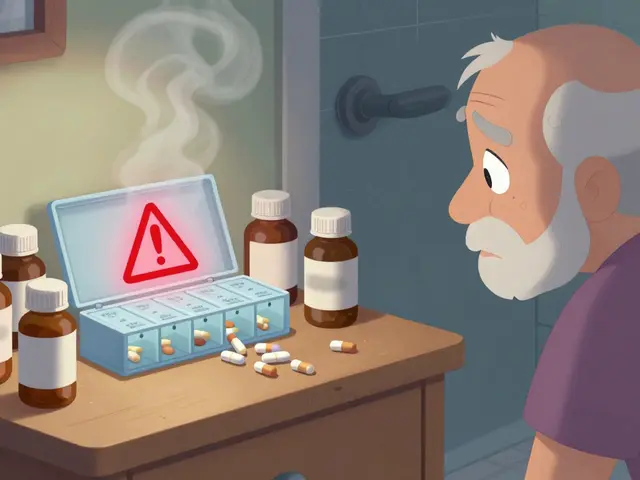
When you pick up your generic heart meds, affordable versions of brand-name cardiovascular drugs like lisinopril, metoprolol, or amlodipine. Also known as generic cardiovascular drugs, they work the same way as the originals but cost a fraction of the price—often under $5 a month. For millions of people managing high blood pressure, heart failure, or arrhythmias, these drugs are lifelines. But here’s the thing: not all generics are created equal, and switching between them isn’t always harmless.
Some heart medication interactions, like grapefruit with calcium channel blockers or NSAIDs with ACE inhibitors. Also known as drug combinations to avoid, can turn a safe routine into a hospital visit. A 2022 FDA alert found that mixing certain generics with common painkillers raised the risk of kidney damage in older adults. And if you’re on a narrow therapeutic index drug—like digoxin or warfarin—even tiny differences in absorption between generic brands can throw off your entire treatment. That’s why keeping a medication journal, a simple log of symptoms, heart rate, and side effects after switching generics. Also known as drug response tracker, it helps your doctor spot subtle changes before they become serious. You don’t need fancy apps. Just a notebook and a pen. Write down how you feel two weeks after your pharmacy switches your pill brand. Did your legs swell? Did your dizziness get worse? That’s data your doctor needs.
Contamination is another hidden risk. Recent recalls have pulled generic heart meds linked to NDMA and benzene—known carcinogens. These aren’t rare mistakes. They’re systemic failures in manufacturing oversight. If your pill looks different, smells odd, or comes from a pharmacy you’ve never heard of, ask questions. Not all online pharmacies are legit. And if you’re on a tight budget, know this: some insurance plans will cover only one generic brand. If you feel worse after a switch, push back. You have the right to ask for the brand that works for you.
What you’ll find below isn’t just a list of articles. It’s a practical guide to navigating the real-world challenges of generic heart meds. From how to spot dangerous combos with other drugs, to why some people need TSH checks after switching thyroid meds (yes, that’s related), to how to talk to your doctor without sounding paranoid—every post here answers questions real people are asking. No fluff. No jargon. Just what you need to stay safe and in control.
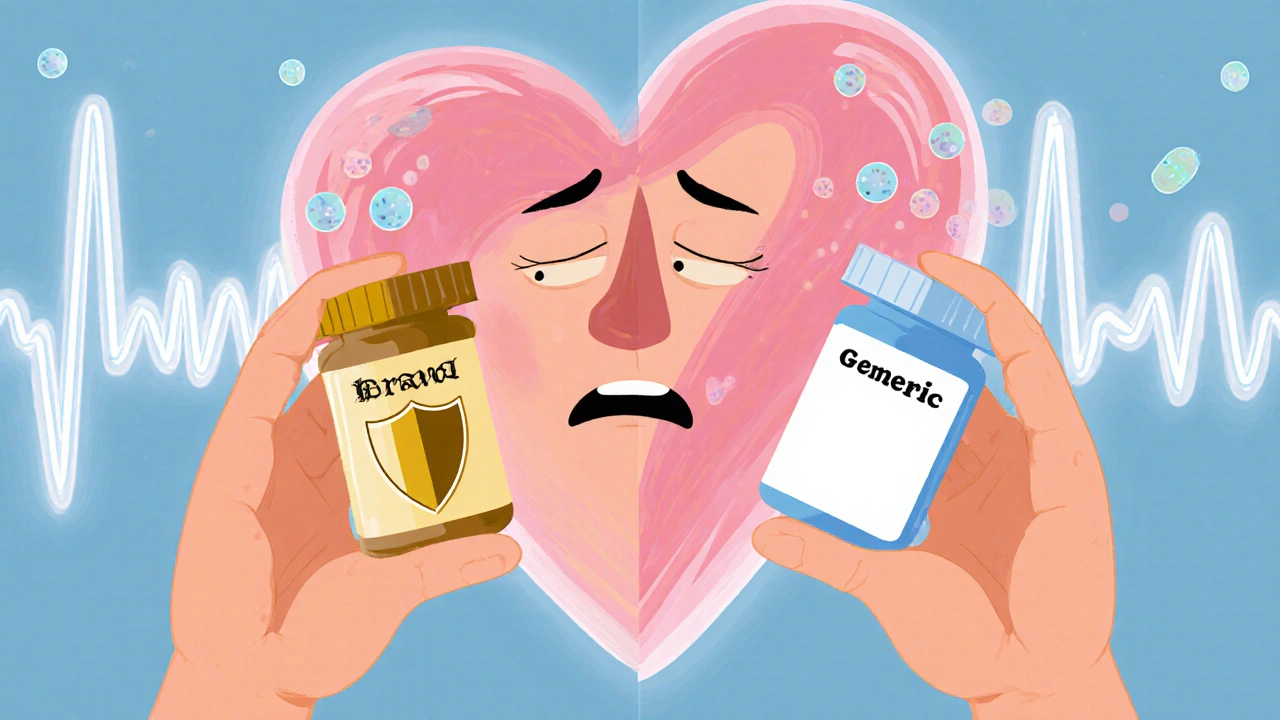
Cardiovascular Generics: What Safety Studies and Real-World Data Really Show
Cardiovascular generics save billions but aren't always equal. Real-world data shows mixed safety results-some work fine, others trigger side effects. Here's what the studies and patient experiences reveal.
View More