Generic Drugs: What They Are, Why They Matter, and What to Watch For
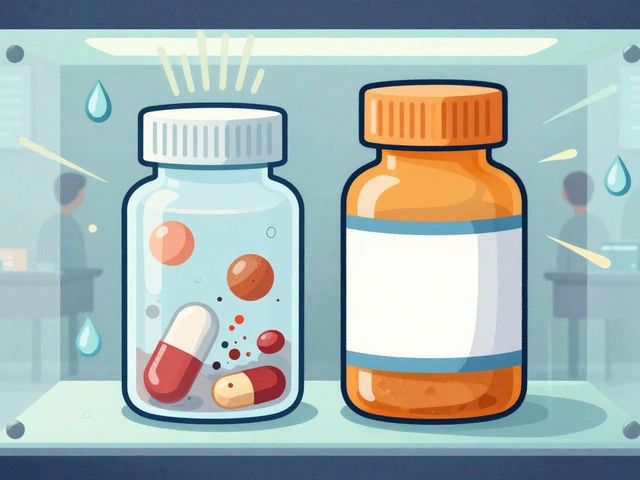
When you pick up a generic drug, a medication that contains the same active ingredient as a brand-name version but is sold under its chemical name. Also known as non-brand medication, it works the same way, costs far less, and is approved by the FDA—yet not all generics are created equal. Many people assume switching from brand to generic is like swapping one soda for another. But for drugs like levothyroxine generics, thyroid hormone replacements where tiny differences in absorption can impact health, even small variations matter. If you’re on levothyroxine for hypothyroidism or thyroid cancer, switching between brands—even if both are labeled "generic"—can cause your TSH levels to drift. That’s why some doctors recommend sticking with one manufacturer and checking your levels 6 to 8 weeks after any switch.
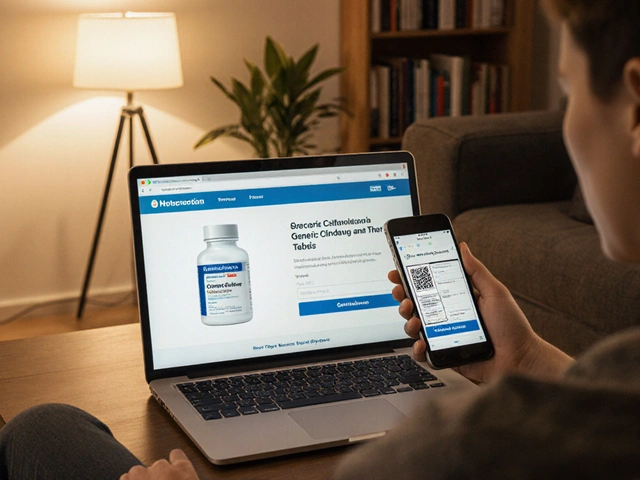
Not all generic drugs are risky, but some have been found with dangerous contaminants. Recent recalls pulled generic drug contamination, the presence of harmful substances like NDMA or benzene in otherwise safe medications from shelves. One case involved benzene in certain batches of Mucinex, another saw NDMA in ranitidine. These aren’t rare flukes—they’re systemic failures in manufacturing oversight. If you take daily meds like blood pressure pills, antidepressants, or acid reducers, you should know which ones have been recalled and how to spot a fake or unsafe online pharmacy. Buying cheap generic medication safety, the assurance that a generic drug meets quality, purity, and potency standards online isn’t just about price—it’s about trusting the source. Legit pharmacies don’t hide their licenses or require payment in cryptocurrency.
Then there’s the hidden side: drug interactions, how one medication changes how another behaves in your body. A generic version of a blood pressure pill might interact with grapefruit just like the brand name. Or your generic antidepressant might thin your blood more than expected, raising bleeding risk. These aren’t theoretical risks—they show up in real patients. One study found paroxetine (a generic SSRI) increased bleeding risk more than sertraline, even though both treat depression. That’s why knowing your exact medication and its interactions isn’t optional—it’s essential. You don’t need to be a pharmacist to protect yourself. Just ask: "Is this the same as what I was on before?" and "Could this interact with my other meds or food?"
What you’ll find below isn’t a list of every generic drug ever made. It’s a curated set of real-world stories from people who switched, got burned, or saved money—and lived to tell the tale. From why some thyroid patients need TSH checks after switching to how contaminated batches of antibiotics slipped through, these posts give you the facts without the fluff. You’ll learn how to spot a risky generic, when to push back on your pharmacist, and which alternatives might be safer. No hype. No ads. Just what you need to know before you take the next pill.
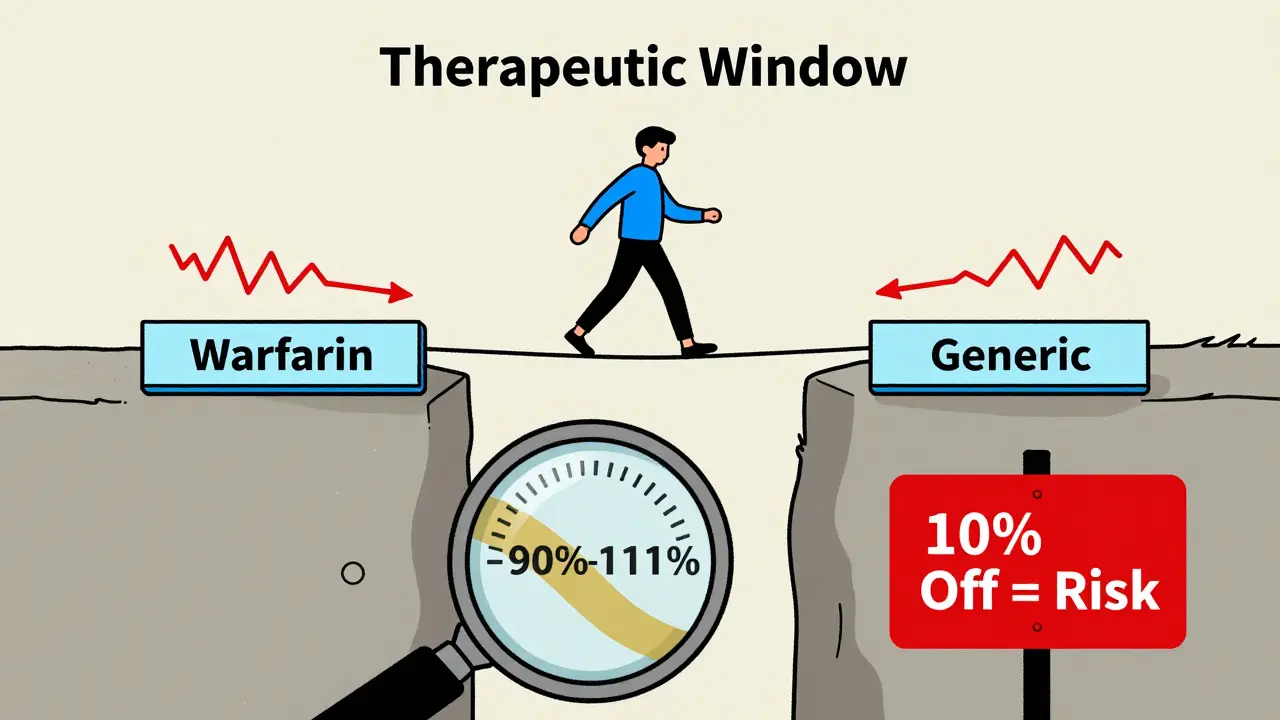
Bridging Studies for NTI Generics: Ensuring Safety and Efficacy
Bridging studies for NTI generics ensure that life-saving generic drugs like warfarin and levothyroxine are as safe and effective as brand versions. These complex, costly studies tighten bioequivalence standards to protect patients from dangerous dosing errors.
View More
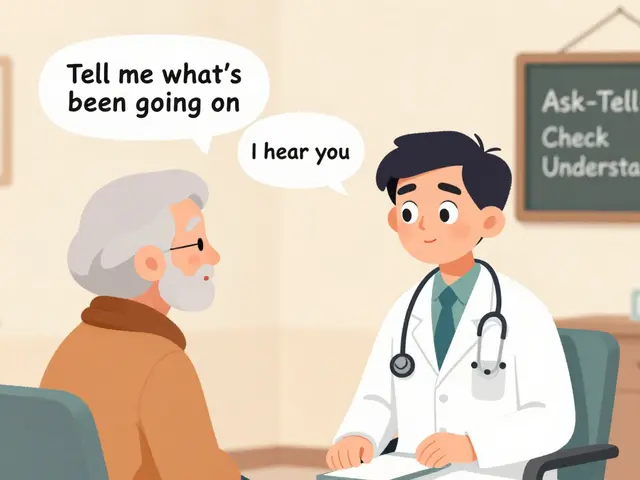
How to Communicate With Your Pharmacy During Generic Drug Transitions
Learn how to communicate with your pharmacy during generic drug transitions to avoid side effects, insurance issues, and medication gaps. Get practical tips on when to speak up, what to ask, and how to stay in control.
View More
Therapeutic Equivalence Codes (TE Codes) Explained: How Generic Drugs Are Approved and Substituted
Therapeutic Equivalence Codes (TE Codes) are the FDA's system for identifying generic drugs that are safe and effective substitutes for brand-name medications. Learn how they work, why they matter, and how they save billions in healthcare costs.
View More
Keeping a Medication Journal: Tracking Your Response to Generic Medications
Keep a medication journal to track how your body responds when switching to generic drugs. Learn what to record, which meds need it most, and how to use your journal with your doctor.
View MorePopular Posts