Generic Drug Safety: What You Need to Know About Risks, Contaminants, and Reliable Alternatives
When you pick a generic drug, a lower-cost version of a brand-name medication that must meet the same FDA standards for active ingredients, strength, and performance. Also known as generic medications, it's meant to work just like the original—but not all generics are created equal. Many people assume "generic" means "same," but the truth is more complicated. A generic version of levothyroxine might be fine for most people, but if you have thyroid cancer or heart disease, even a tiny change in absorption can throw off your treatment. That’s why generic drug safety isn’t just about price—it’s about how your body reacts when the pill looks different, even if the label says the same thing.
One of the biggest hidden risks is contamination. Recent recalls have pulled generic versions of drugs like Mucinex and ranitidine because of dangerous chemicals like NDMA and benzene—carcinogens that shouldn’t be anywhere near your medicine. These aren’t rare mistakes; they’re systemic issues tied to how some overseas manufacturers cut corners. And it’s not just about impurities. Some generics use different fillers or coatings that change how fast the drug dissolves in your body. For drugs with a narrow therapeutic index, medications where even a small difference in blood levels can cause toxicity or treatment failure, like warfarin, phenytoin, or lithium, that change can be life-threatening. That’s why keeping a medication journal, a personal log tracking how you feel after switching to a new generic brand matters more than you think. If you start feeling dizzy, tired, or off after a refill, it might not be in your head—it could be the generic.
Then there are the interactions. A generic version of a blood pressure pill might be perfectly safe on its own, but if you’re also eating grapefruit or taking a statin, that combo can turn dangerous. Generic drugs don’t come with warning labels that say "don’t mix with this," so you have to know what to watch for. And if you’re on multiple meds, especially for heart conditions or mental health, the risk of side effects multiplying is real. That’s why understanding drug interactions, how two or more medications affect each other’s absorption, metabolism, or effect in the body is part of staying safe with generics. It’s not enough to trust the pharmacy. You need to track changes, ask questions, and know when to push back.
What you’ll find below isn’t theory. It’s real stories from people who’ve dealt with contaminated generics, switched thyroid meds and had to get their TSH rechecked, or noticed their blood pressure spiked after a refill. You’ll see how probiotics help when antibiotics knock your gut out of balance, why some SSRIs raise bleeding risk more than others, and how to spot when a "cheap" generic isn’t worth the risk. This isn’t about fear—it’s about knowing what to look for, when to speak up, and how to protect yourself without overpaying.
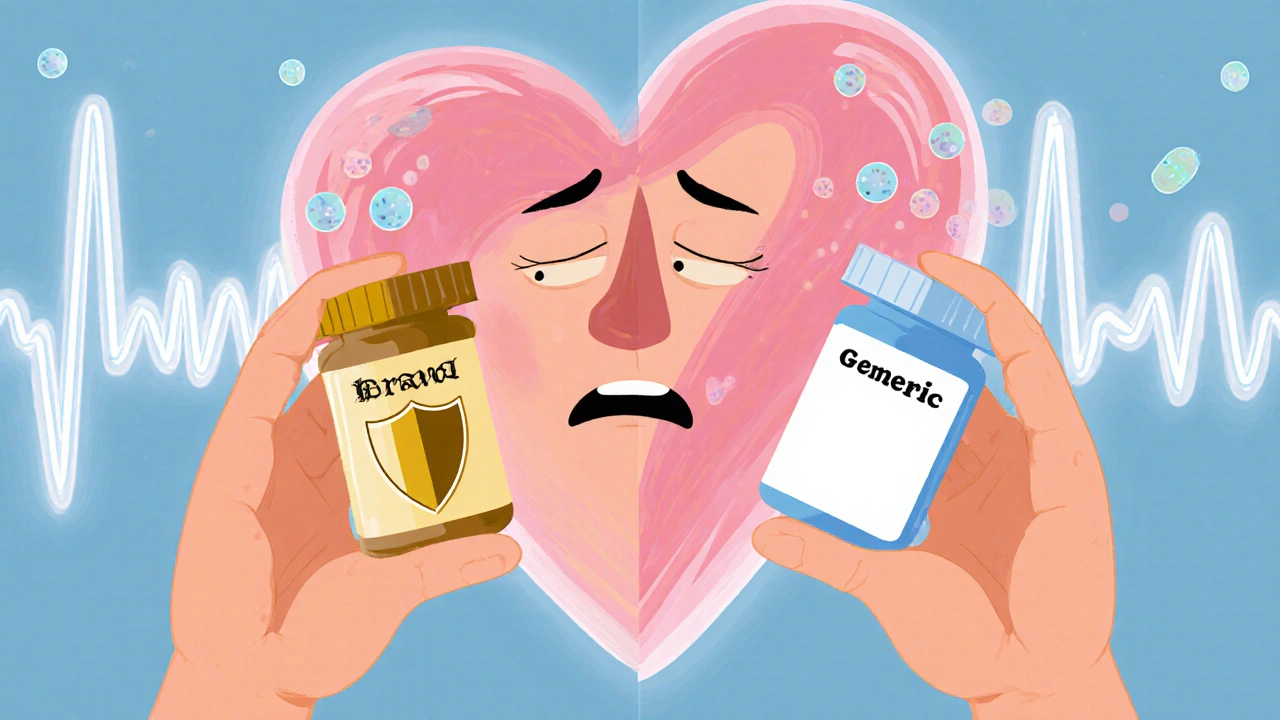
Cardiovascular Generics: What Safety Studies and Real-World Data Really Show
Cardiovascular generics save billions but aren't always equal. Real-world data shows mixed safety results-some work fine, others trigger side effects. Here's what the studies and patient experiences reveal.
View More