FDA Oversight: What It Means for Your Medications and Safety
When you pick up a prescription or buy an over-the-counter pill, FDA oversight, the system the U.S. Food and Drug Administration uses to evaluate and monitor drugs before and after they reach consumers. It's not just bureaucracy—it's the reason you can trust that your blood pressure med won’t suddenly turn toxic, or that your generic thyroid pill actually works like the brand name. Without it, there’d be no way to know if a drug was tested properly, if it interacts dangerously with other meds, or if it’s even safe for people with heart disease or liver problems.
FDA oversight isn’t just about approving new drugs—it’s a continuous watch. generic drugs, lower-cost versions of brand-name medications that must meet the same strict standards for strength, purity, and performance. Also known as bioequivalent medications, they’re the backbone of affordable care, but recent recalls over contaminants like NDMA and benzene show why ongoing monitoring matters. The same goes for medication approval, the process where the FDA reviews clinical trial data to confirm a drug does more good than harm. This is why some drugs get black box warnings—like certain antidepressants raising suicide risk in young adults—or why grapefruit can’t be eaten with some blood pressure pills. These aren’t random rules. They’re based on real patient data, post-market reports, and years of tracking side effects.
And it’s not just about what’s in the pill. pharmaceutical regulation, the full set of laws and inspections that control how drugs are made, labeled, and sold. Also known as drug safety oversight, it covers everything from factory cleanliness to how warnings are printed on the bottle. That’s why you’re told to check your label before every dose—it’s not just good advice, it’s part of a system designed to catch mistakes before they hurt you. When a drug causes liver damage, triggers arrhythmias, or interacts badly with herbal supplements, the FDA tracks those reports. And when patterns emerge—like macrolide antibiotics increasing heart rhythm risks—they update guidelines, issue alerts, or even pull products.
You don’t need to be a doctor to understand this system. You just need to know it exists—and that your safety depends on it. Whether you’re taking a generic heart med, using a copay card for a brand drug, or trying to figure out if your supplement is safe with your prescription, FDA oversight is the invisible guardrail keeping things from going wrong. Below, you’ll find real stories from patients and providers about how this system plays out in everyday life: from contaminated generics to life-saving label checks, from thyroid dose switches to dangerous food interactions. These aren’t theoretical concerns. They’re the reasons you should always ask: "Who made this? And who’s watching?"
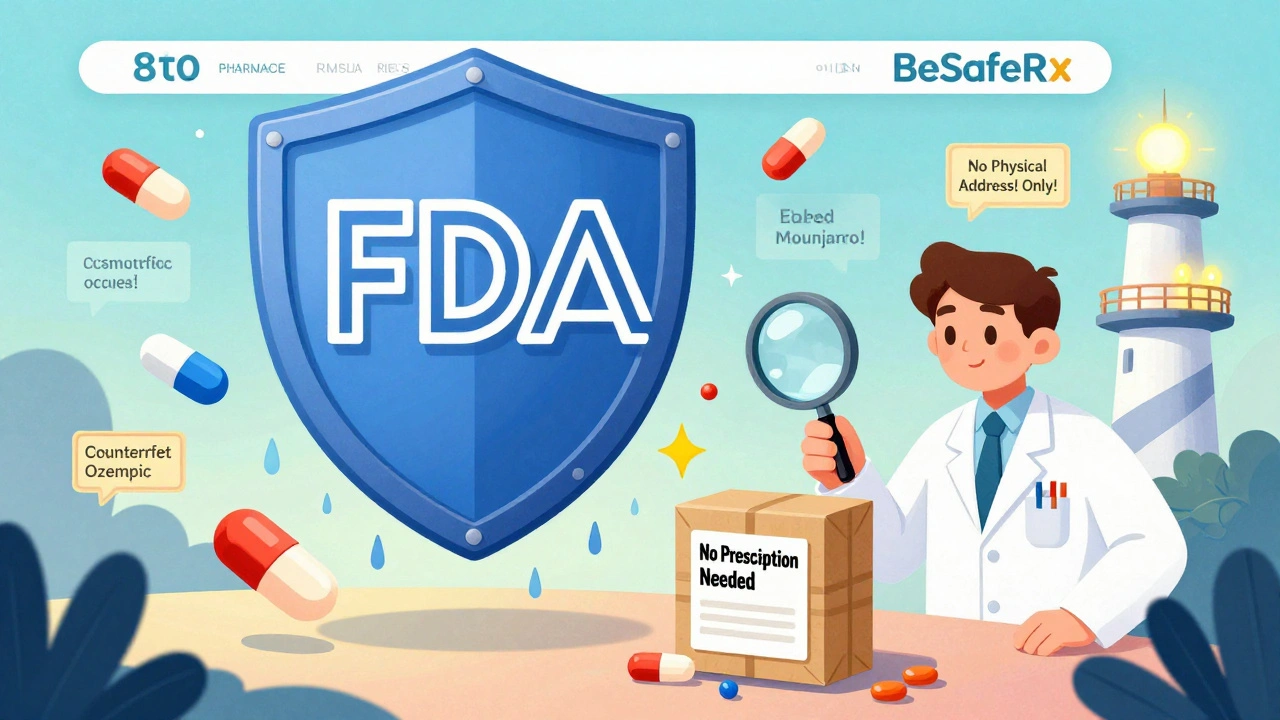
Regulatory Oversight of Online Pharmacies: How FDA and State Boards Protect You
Learn how the FDA and state pharmacy boards work together to regulate online pharmacies, protect patients from fake drugs, and enforce rules on telemedicine prescriptions. Know what to look for - and what to avoid.
View More