Dopamine Replacement: What It Is, How It Works, and What You Need to Know
When your brain doesn’t make enough dopamine replacement, a treatment strategy that restores dopamine levels in the brain to improve movement, mood, and motivation. Also known as dopaminergic therapy, it’s not just about pills—it’s about fixing a broken signal in your nervous system. Dopamine isn’t just the "feel-good" chemical; it’s the conductor of your movement, focus, and reward system. When levels drop—like in Parkinson’s disease, certain types of depression, or restless legs syndrome—your body starts to misfire. That’s where dopamine replacement comes in.
There are several ways to do this. dopamine agonists, drugs that mimic dopamine’s effects by binding to its receptors. Also known as dopamine mimetics, they include medications like pramipexole and ropinirole—used daily by millions to reduce tremors and stiffness. Then there’s levodopa, the gold standard. It’s not dopamine itself, but a building block your brain converts into dopamine. It works fast, but over time, its effects can become unpredictable. That’s why doctors often combine it with carbidopa, which stops it from breaking down too early in your body.
Dopamine replacement doesn’t fix the root cause—it manages the symptoms. That’s why people on these meds often track their response closely. Some notice better walking speed, others report improved mood or sleep. But side effects happen: nausea, dizziness, impulse control issues like gambling or overeating. It’s not one-size-fits-all. What works for one person might make another worse. That’s why monitoring, adjusting doses, and pairing treatment with lifestyle changes matter.
You’ll also find that dopamine replacement often overlaps with other treatments. For example, people with Parkinson’s might use physical therapy to keep muscles responsive while their meds handle the brain signal. Others combine it with cognitive behavioral therapy to manage mood swings. Even diet plays a role—high protein meals can interfere with levodopa absorption. Timing your food and meds right can make a bigger difference than you think.
And it’s not just for older adults. Younger people with early-onset Parkinson’s or dopamine-responsive dystonia rely on these treatments too. Even in mental health, low dopamine is linked to anhedonia—the inability to feel pleasure—making dopamine replacement a quiet hero in depression treatment, especially when SSRIs fall short.
What you’ll find in the posts below isn’t a textbook. It’s real-world insight from people who’ve been there. You’ll see how switching generics affected someone’s mobility, how drug interactions messed with their dopamine meds, and why keeping a journal helped them spot patterns their doctor missed. There’s no magic cure here—but there’s plenty of practical knowledge to help you take control.
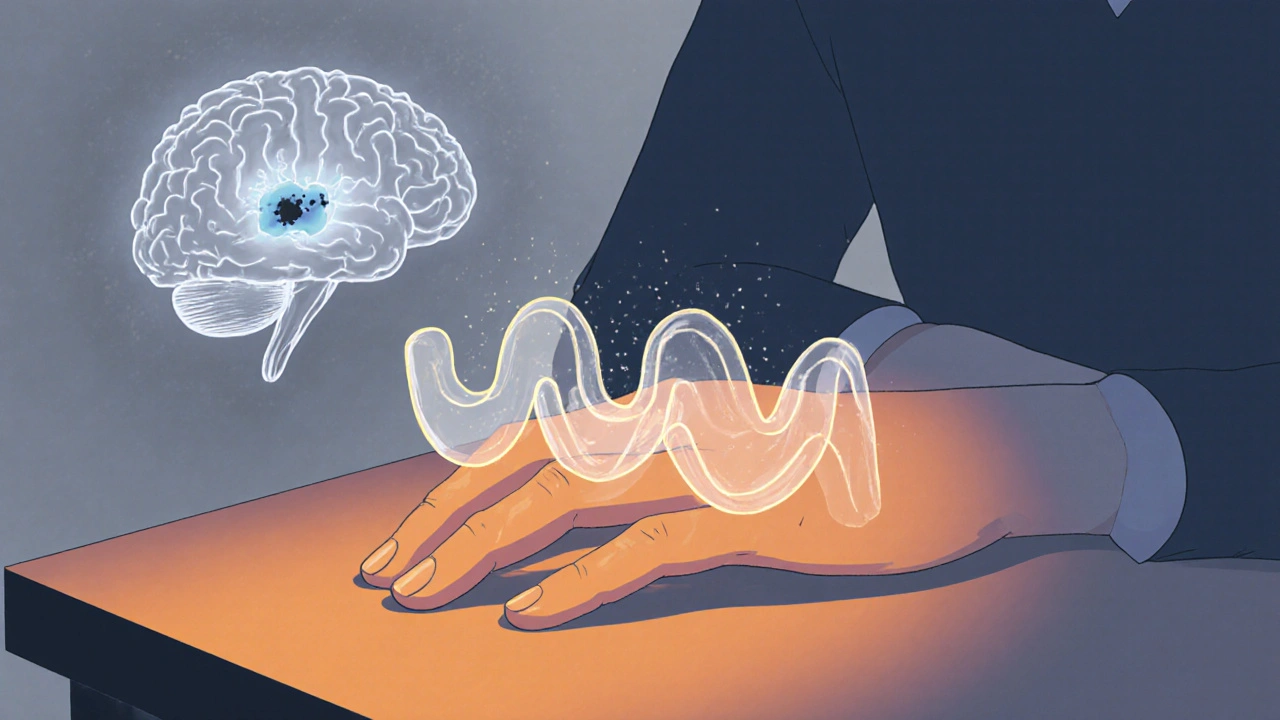
Parkinson’s Disease: Understanding Tremor, Stiffness, and How Dopamine Replacement Works
Parkinson’s disease causes tremor, stiffness, and movement problems due to dopamine loss. Dopamine replacement with levodopa helps symptoms but has long-term side effects. Learn how treatment works and what to expect.
View More