Benzene in Mucinex: What You Need to Know About Contaminants in Common Cold Meds
When you reach for Benzene, a known carcinogen and industrial solvent that shouldn't be in any consumer medicine. Also known as benzol, it's a chemical that can sneak into products through contaminated solvents or packaging materials, not as an ingredient but as a hidden flaw. That’s why people are asking: Is there benzene in Mucinex? The answer isn’t simple. Some batches of over-the-counter cough and cold medicines, including certain Mucinex formulations, have been recalled in recent years due to trace amounts of benzene found during testing. It’s not added on purpose—it’s an accidental contaminant, but that doesn’t make it safe.
What makes this even more confusing is that Mucinex comes in many forms: tablets, liquids, extended-release, and combinations with decongestants or antihistamines. Not all versions are affected. The issue usually ties back to the propylene glycol, a common solvent used to dissolve active ingredients in liquid medications or the polysorbate 80, an emulsifier used to stabilize mixtures in syrups. When these ingredients are sourced from low-quality suppliers, benzene can slip in during manufacturing. The FDA has flagged several recalls since 2020, mostly involving liquid Mucinex products made overseas. The levels found were low, but long-term exposure—even to small amounts—can raise cancer risk, especially for kids or people using these meds daily.
So what should you do? First, check the lot number on your bottle against the FDA’s recall list. Don’t assume your bottle is safe just because the brand is trusted. Second, if you’re using Mucinex regularly for chronic congestion or allergies, talk to your pharmacist about switching to a tablet form—those are less likely to carry this risk. Third, if you’ve been using a recalled batch, don’t panic, but do stop using it and consider getting a blood test if you’re worried about exposure. You’re not alone in this. Thousands of people have faced the same question: Is my medicine really safe? The truth is, most OTC meds are fine. But when contaminants like benzene show up, it’s not about the brand—it’s about the batch. Below, you’ll find real stories, recall details, and safer alternatives that actually work without hidden risks.
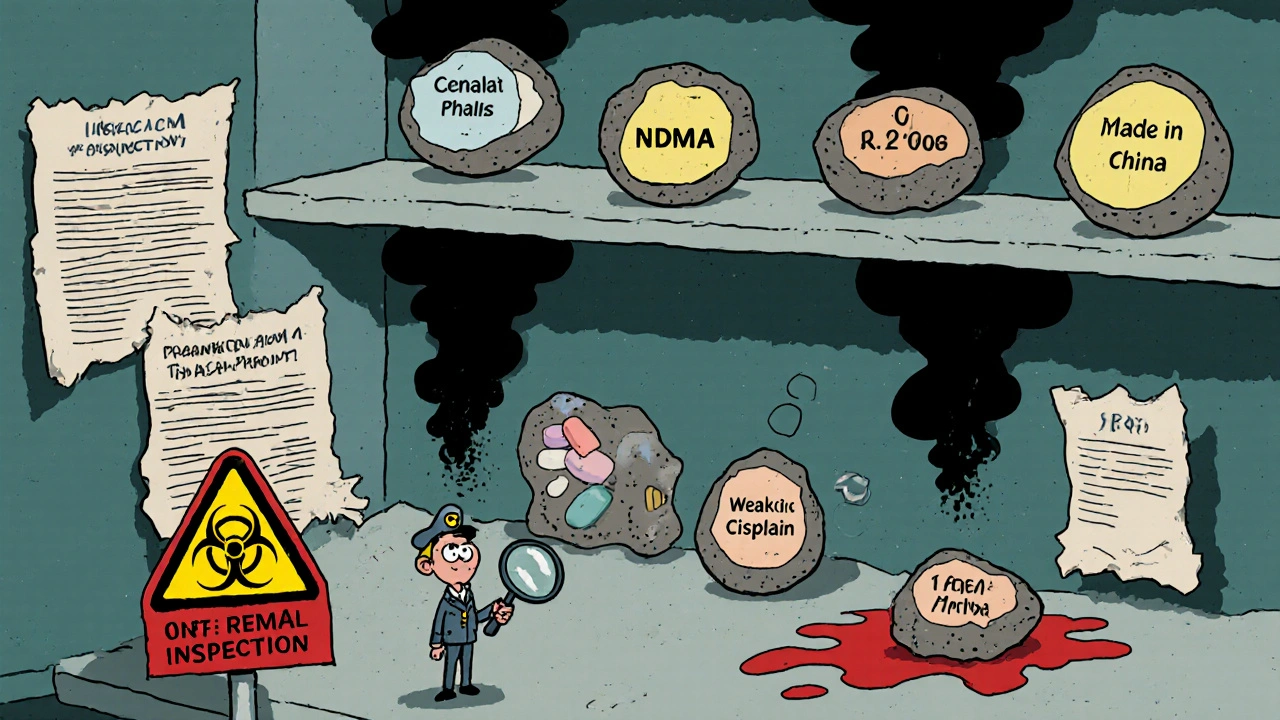
Contamination Issues in Generic Drugs: Recent Cases and How to Prevent Them
Recent cases show dangerous contaminants like NDMA and benzene in generic drugs, raising serious safety concerns. Learn what’s being recalled, who’s at risk, and how to protect yourself.
View More