Atomoxetine: What It Is, How It Works, and What You Need to Know
When you're looking for an atomoxetine, a non-stimulant medication approved for treating ADHD in children and adults. Also known as Strattera, it works differently than Adderall or Ritalin—it doesn't affect dopamine right away. Instead, it slowly increases norepinephrine in the brain, helping with focus, impulse control, and emotional regulation. That’s why it’s often chosen when stimulants cause anxiety, insomnia, or appetite loss, or when someone has a history of substance use.
Atomoxetine isn’t an antidepressant, but it’s in the same class as some—like SNRIs—and that’s why side effects can overlap. People taking it report dry mouth, nausea, tiredness, or mood swings. Some studies show it can slightly increase suicidal thoughts in teens, which is why doctors monitor closely during the first few months. It’s also not fast-acting; it can take 4 to 8 weeks to feel the full effect, unlike stimulants that kick in within hours. That’s why sticking with it matters, even if you don’t notice changes right away.
It’s often compared to SSRIs, a group of antidepressants like sertraline or fluoxetine that affect serotonin levels because both can be used off-label for anxiety or mood symptoms alongside ADHD. But atomoxetine doesn’t boost serotonin—it targets norepinephrine, which makes it a better fit for people whose main issue is attention, not depression. Unlike bupropion, an antidepressant also used for ADHD that affects dopamine and norepinephrine, atomoxetine doesn’t carry seizure risk at normal doses and is less likely to cause agitation.
Switching from a stimulant to atomoxetine isn’t rare. Many people do it after trying several options and realizing they need something with less potential for abuse, fewer crashes, or smoother daily function. It’s also used in adults who can’t take stimulants due to heart conditions or high blood pressure. But it’s not a magic pill—some people find it doesn’t help much at all. That’s why tracking your response, like with a medication journal, is key. Write down sleep patterns, focus levels, mood changes, and side effects. Bring that to your doctor. It’s the best way to know if it’s working for you or if another option might be better.
There’s no one-size-fits-all in ADHD treatment. Atomoxetine is just one tool in the box. Some people thrive on it. Others need a combo with behavioral therapy, exercise, or even a low-dose stimulant later on. The posts below cover real-world experiences with atomoxetine, how it stacks up against other ADHD meds, what to do if side effects hit hard, and how to talk to your doctor when you’re not sure if it’s helping. You’ll also find comparisons with similar drugs, safety tips, and what to watch for when switching treatments. This isn’t theory—it’s what people actually deal with.
Atomoxetine and Yoga: How Combining Medication and Mindfulness Can Improve ADHD Focus
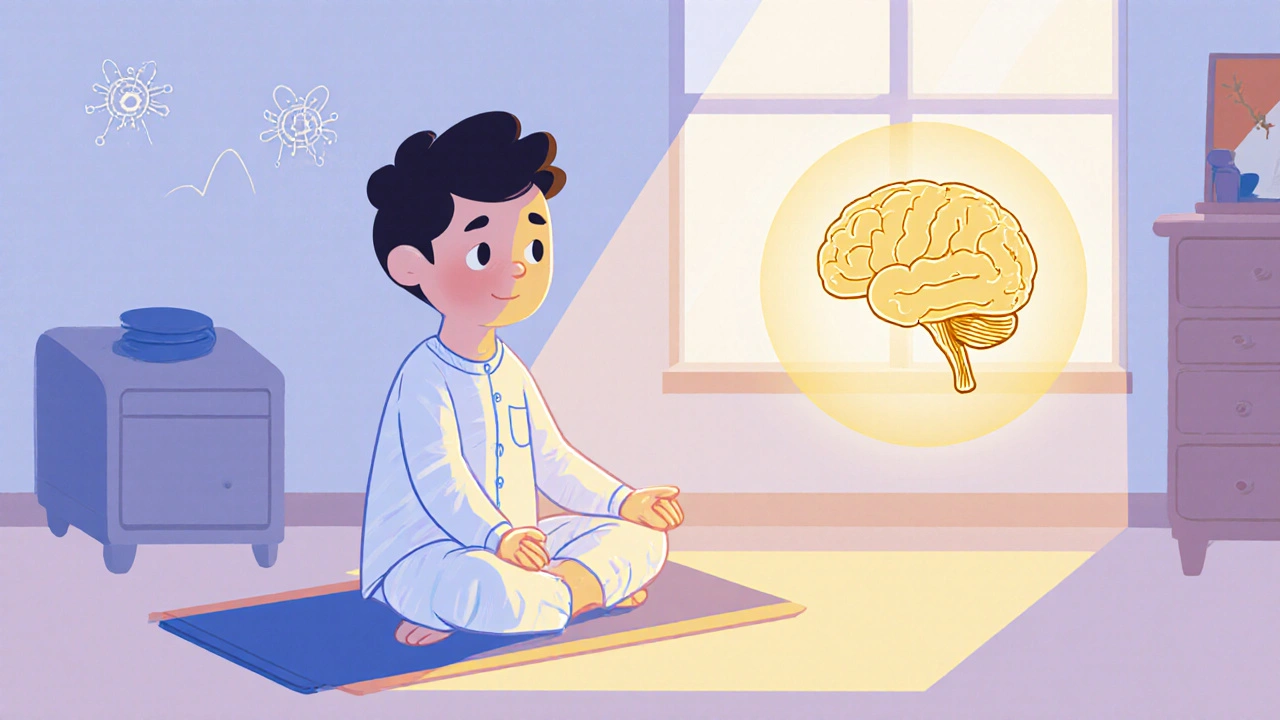
Atomoxetine and yoga work together to improve ADHD focus-atomoxetine stabilizes brain chemistry, while yoga trains attention and reduces mental clutter. Learn how combining both can lead to lasting results.
View MorePopular Posts