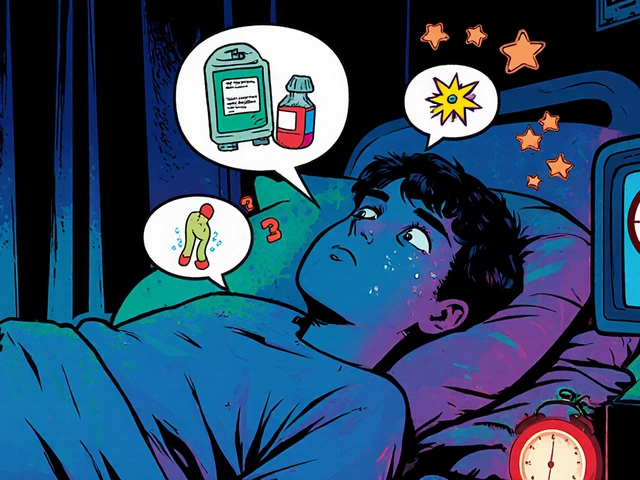
Living with psoriasis is a chronic inflammatory condition that causes rapid skin cell buildup, leading to red, scaly patches feels less like a skin problem and more like a full-body management project. You aren't just dealing with visible plaques on your elbows or scalp; you are navigating a complex immune response that affects your heart, joints, and mental health. The good news? We have moved far beyond the days of simply slathering on steroids and hoping for the best. Today’s approach combines rigorous daily skin care with powerful systemic treatments that target the root cause of inflammation.
If you’ve been told there is no cure, that’s technically true-but it misses the point. While we cannot delete the genetic predisposition yet, we can achieve clear skin and prevent complications. This guide breaks down exactly how to manage this condition in 2026, from the products you buy at the pharmacy to the advanced therapies prescribed by specialists.
Understanding the Psoriasis Cycle
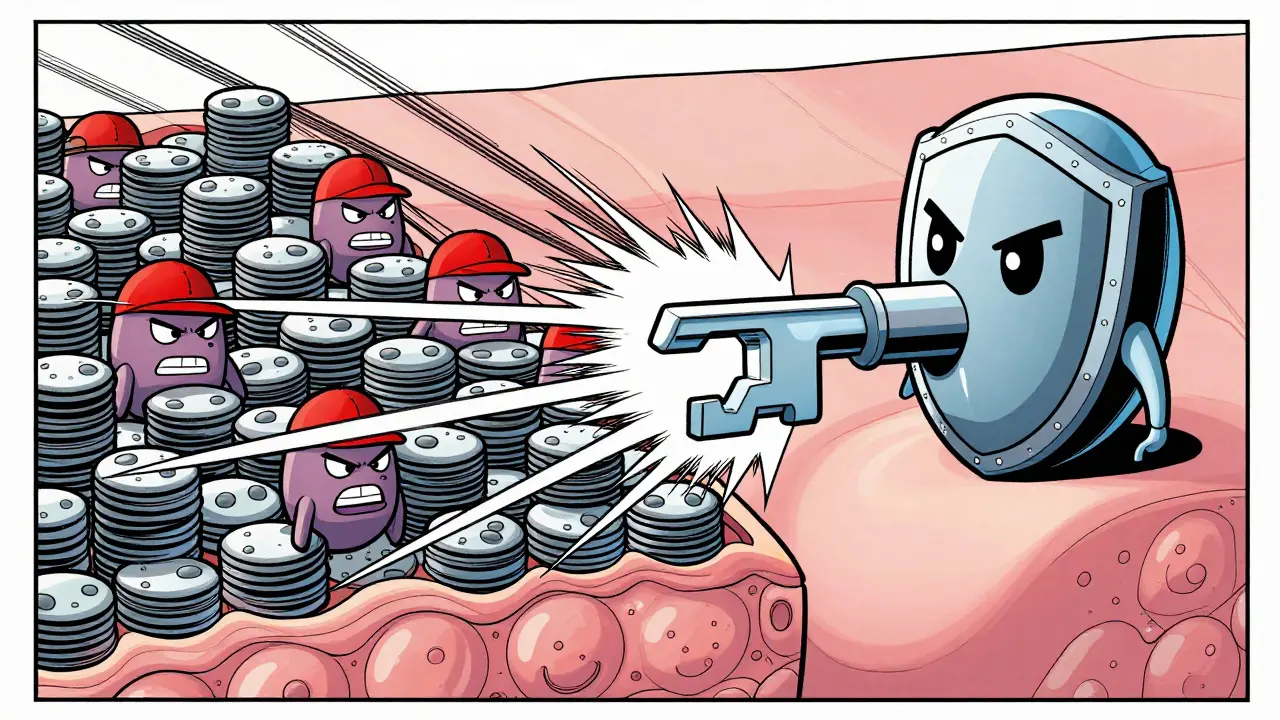
To treat psoriasis effectively, you first need to understand what is happening under the surface. It starts with your immune system. Specifically, T-cells are immune cells that mistakenly attack healthy skin tissue. In a healthy body, skin cells grow and shed every 28 to 30 days. In psoriasis, those T-cells trigger an alarm, telling your skin to produce new cells in just 3 to 4 days. The old cells don’t have time to fall off, so they pile up, forming those characteristic thick, silvery scales.
This isn’t random. Genetics play a huge role, with heritability estimates ranging from 60% to 90%. However, genes load the gun; environment pulls the trigger. Stress, infections, injuries to the skin, and certain medications can spark a flare-up. Understanding this cycle helps you realize why topical creams alone often fail-they treat the symptom (the scale) but not the driver (the immune overactivity).
Daily Skin Care: Your First Line of Defense
Before jumping into heavy medication, your daily routine sets the stage for success. Think of skin care as maintenance for a high-performance engine. If you neglect it, even the best medicine will struggle to work.
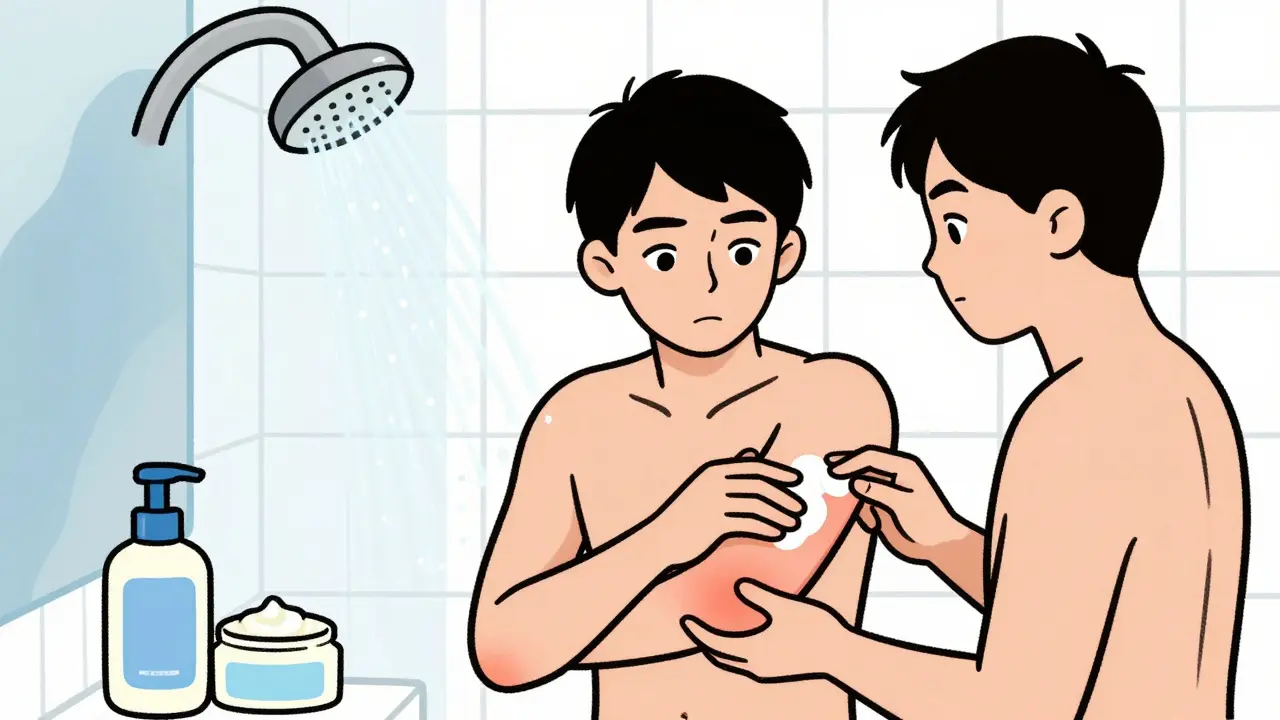
- Moisturize aggressively: Use petrolatum-based ointments or thick creams immediately after showering. This locks in water and softens scales, making medical treatments absorb better.
- Shower smart: Stick to lukewarm water. Hot water strips natural oils and triggers inflammation. Limit showers to 10 minutes.
- Avoid irritation: Do not pick at scales. This can cause the Koebner phenomenon, where new lesions form at sites of skin injury.
- Identify triggers: Keep a simple journal. Note flares alongside stress levels, diet changes, or weather shifts. Patterns emerge faster than you think.
Many patients report that switching to gentle, fragrance-free cleansers reduced their itching by half. It sounds basic, but harsh soaps disrupt the skin barrier, letting irritants in and moisture out.
Topical Treatments: When Creams Are Enough
For mild cases, topicals remain the standard. The most common combination is calcipotriol combined with betamethasone. Calcipotriol is a vitamin D analog that slows skin cell growth, while betamethasone is a potent steroid that reduces inflammation and redness.
Here is the catch: steroids work fast, but they carry risks. Using them on thin skin areas like the face or groin can cause thinning of the skin (atrophy) and visible blood vessels (telangiectasia). Never use potent steroids on these areas without explicit doctor instruction. For the scalp, foam formulations penetrate hair better than greasy ointments. If you find yourself needing topicals more than three times a week for months, it is time to escalate treatment. Don’t wait until your quality of life suffers.
Systemic Therapy: Targeting the Root Cause
When topicals and light therapy (phototherapy) aren’t enough, doctors turn to systemic therapy. These medications travel through your bloodstream to calm the entire immune system. There are two main categories: traditional systemics and biologics.
Traditional Oral Systemics
Drugs like methotrexate is an oral medication that suppresses the immune system to reduce skin inflammation have been used for decades. Typical doses range from 20-25mg per week. They are effective and inexpensive but require regular blood tests to monitor liver function and kidney health. Another option is cyclosporine, which works quickly for severe flares but is usually limited to short-term use due to blood pressure and kidney risks. Acitretin, a retinoid, is another choice, though it requires strict pregnancy prevention measures due to birth defect risks.
Biologics: Precision Medicine
Biologics represent the biggest shift in psoriasis care. Instead of suppressing the whole immune system, they block specific proteins that drive inflammation. This precision means fewer side effects for many patients.
| Class | Target | Common Drugs | Administration | Best For |
|---|---|---|---|---|
| TNF-α Inhibitors | Tumor Necrosis Factor-alpha | Adalimumab, Etanercept | Injection (every 1-2 weeks) | Patient with joint pain (arthritis) |
| IL-17 Inhibitors | Interleukin-17 | Secukinumab, Ixekizumab | Injection (monthly after loading) | Rapid, complete skin clearance |
| IL-23 Inhibitors | Interleukin-23 | Guselkumab, Tildrakizumab | Injection (every 8-12 weeks) | Long-term convenience & stability |
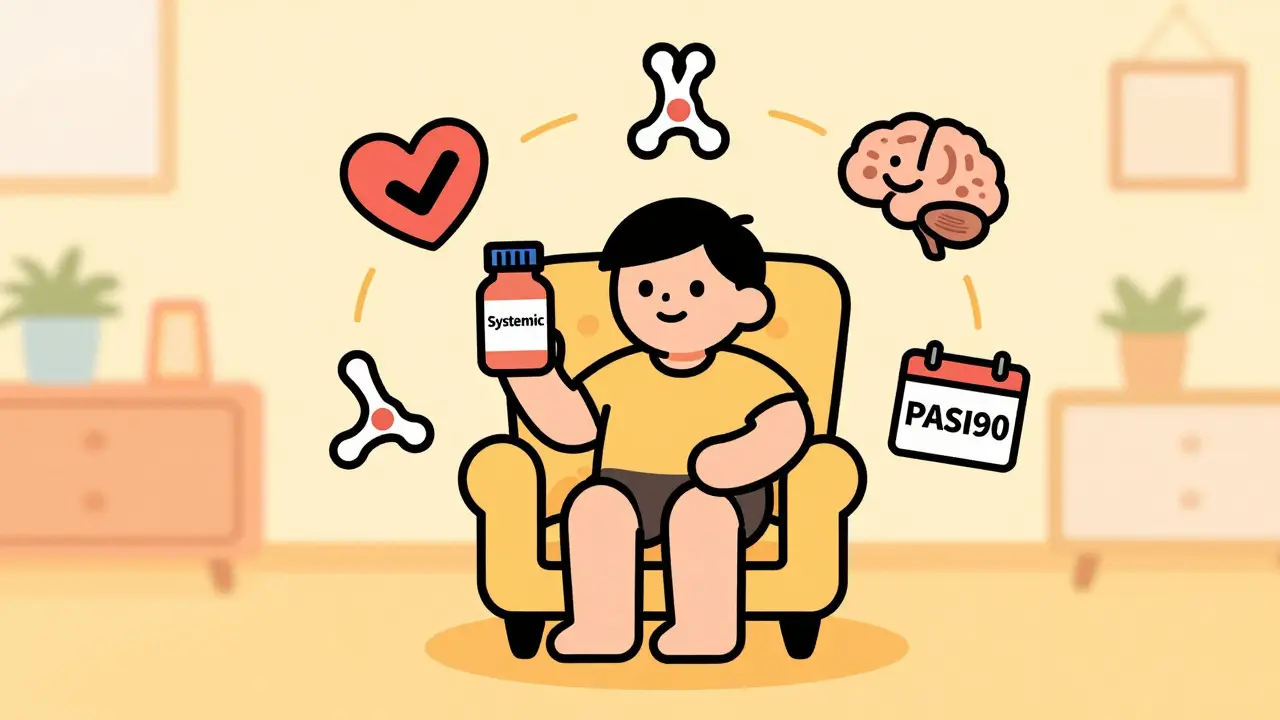
Newer options like deucravacitinib is an oral TYK2 inhibitor approved for moderate-to-severe plaque psoriasis offer a pill alternative to injections, achieving significant clearance in about 58% of patients within 16 weeks. The goal today is PASI90, meaning 90% improvement in lesion severity. Many patients now achieve 100% clear skin, which was rare just ten years ago.
The Hidden Risks: Comorbidities You Must Monitor
You might think psoriasis stays on the skin, but it doesn’t. The same inflammation that creates plaques damages blood vessels and joints. This is why your dermatologist should also be looking at your heart and knees.
- Psoriatic Arthritis: Up to 30% of patients develop joint pain, swelling, or stiffness. Nail pitting is a strong predictor. If your fingers swell like sausages or your lower back hurts in the morning, tell your doctor immediately.
- Cardiovascular Disease: Studies show a 58% higher risk of heart attack in patients under 50. Annual checks for blood pressure, cholesterol, and BMI are non-negotiable.
- Mental Health: Depression and anxiety rates are significantly higher in the psoriasis community. The stigma and physical discomfort take a toll. Screening for mood disorders should be part of every visit.
Treating the skin clears one path, but managing these comorbidities saves lives. Ask your provider for a referral to a cardiologist or rheumatologist if needed. A multidisciplinary team is your best asset.
Navigating Costs and Access
Let’s talk money. Biologics are expensive. Out-of-pocket costs can range from $1,200 to $5,500 monthly depending on insurance. This financial burden leads many patients to skip doses or stop treatment entirely. Don’t do this. Uncontrolled inflammation increases long-term health risks.
Use patient assistance programs offered by pharmaceutical companies. Most major drug manufacturers have foundations that help cover copays. Also, ask about biosimilars-these are highly similar copies of older biologics that often cost less and are covered more easily by insurers. In the UK, NHS coverage varies by region, so keep records of previous treatments to justify escalation to higher-tier therapies.
Frequently Asked Questions
Is psoriasis contagious?
No. Psoriasis is an autoimmune disease driven by genetics and immune dysfunction. You cannot catch it from touching someone with psoriasis, sharing towels, or swimming in the same pool.
How long does it take for systemic therapy to work?
Traditional systemics like methotrexate may take 8-12 weeks to show full effect. Biologics often work faster, with noticeable improvement in 2-4 weeks and peak results around 12-16 weeks. Patience is key during the initial phase.
Can diet cure psoriasis?
No diet cures psoriasis, but anti-inflammatory diets (rich in fruits, vegetables, and omega-3 fatty acids) can reduce overall inflammation. Weight loss also improves the effectiveness of medications and reduces metabolic strain.
What is PASI90?
PASI stands for Psoriasis Area and Severity Index. PASI90 means a 90% reduction in the severity of your plaques compared to baseline. It is the current clinical benchmark for successful treatment in moderate-to-severe cases.
Are biologics safe for long-term use?
Yes, for most patients. Before starting, you must be screened for tuberculosis and hepatitis. Long-term studies show manageable safety profiles, with benefits outweighing risks for those with moderate-to-severe disease. Regular monitoring ensures any issues are caught early.
Popular Posts




How Pets Help People Recover from Illness
6 Oct 2025