
OTC Supplement Risk Assessor
Use this tool to assess potential risks associated with Over-the-Counter medications and dietary supplements based on common safety factors.
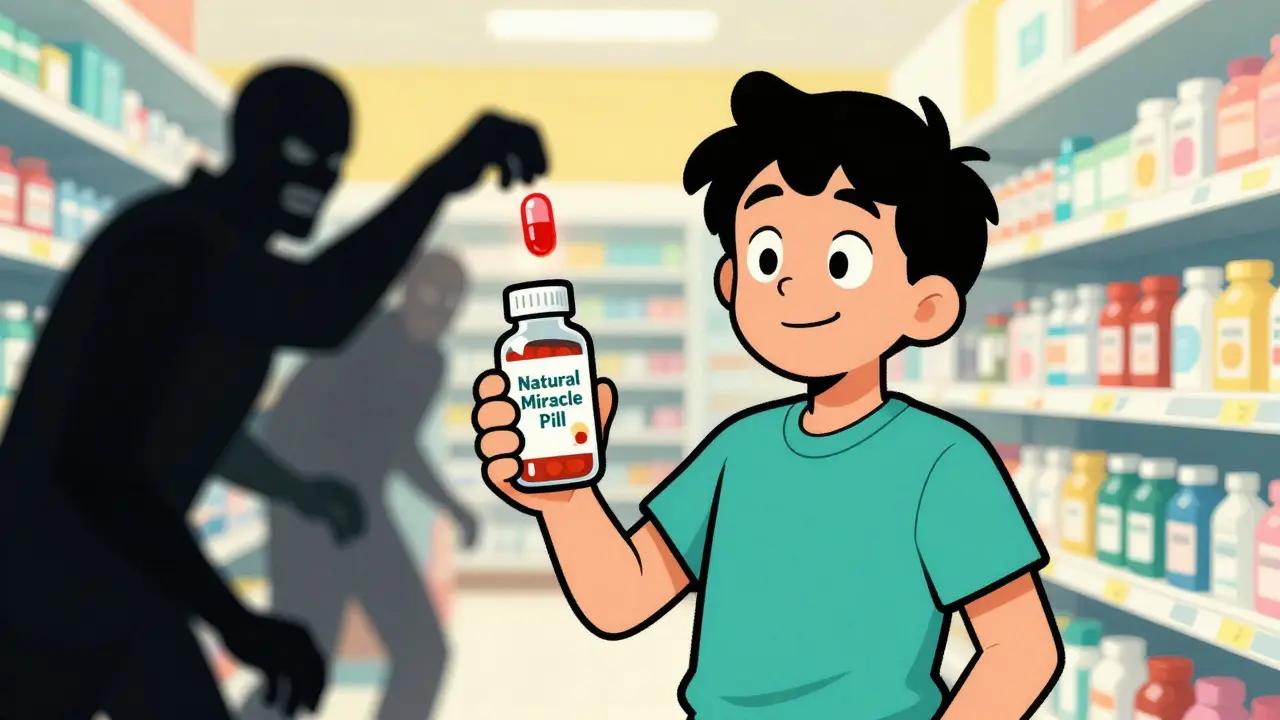
You grab a bottle of 'natural' weight loss pills or a sexual enhancement supplement from the shelf. The label says it’s all-natural, safe, and effective. You pop one down with your morning coffee, assuming it won’t mess with your blood pressure medication. But what if that bottle contains a banned prescription drug? What if it’s hiding an ingredient that could stop your heart?
This isn’t a worst-case scenario movie plot. It is happening right now. Over-the-counter (OTC) medications and dietary supplements are a massive industry, but they operate under rules that leave many consumers vulnerable. Unlike prescription drugs, which undergo rigorous testing before hitting the market, many supplements slip through cracks in regulation. This creates a dangerous gap where hidden pharmaceutical ingredients can end up in products you trust.
The Regulatory Gap: Why Supplements Are Different
To understand the risk, you need to know how these products get approved. Or rather, how they don’t. In the United States, the Dietary Supplement Health and Education Act of 1994 (DSHEA) changed the game. Under this law, the Food and Drug Administration (FDA) does not approve dietary supplements for safety or effectiveness before they are sold. Instead, the burden falls on manufacturers to ensure their products are safe. The FDA only steps in after a product has caused harm or been reported as fraudulent.
Think about that for a second. A company can launch a new 'miracle' pill today without proving it works or that it’s safe. They just have to notify the FDA if they use a new ingredient, but even then, compliance is often weak. This system creates what experts call a 'fox guarding the henhouse' situation. With limited resources-only 17 full-time equivalents dedicated to supplement regulation-the FDA struggles to keep up with thousands of new products entering the market every year.
This regulatory lag means that by the time a dangerous product is identified and pulled from shelves, thousands of people may have already taken it. The average time between identifying a dangerous product and removing it from the market is 14 months. That is a long time to be at risk.
Hidden Ingredients: What’s Really Inside Your Bottle?
So, what are these hidden dangers? Research shows that unscrupulous manufacturers sometimes add active pharmaceutical ingredients to supplements to make them seem more effective. These are not accidental contaminants; they are deliberately added. A landmark 2022 study published in the Journal of Clinical Pharmacology analyzed the FDA’s Health Fraud Product Database and found over 1,000 unique dietary supplement products marketed between 2007 and 2021 that contained dangerous, undeclared drugs.
Two categories stand out as particularly risky:
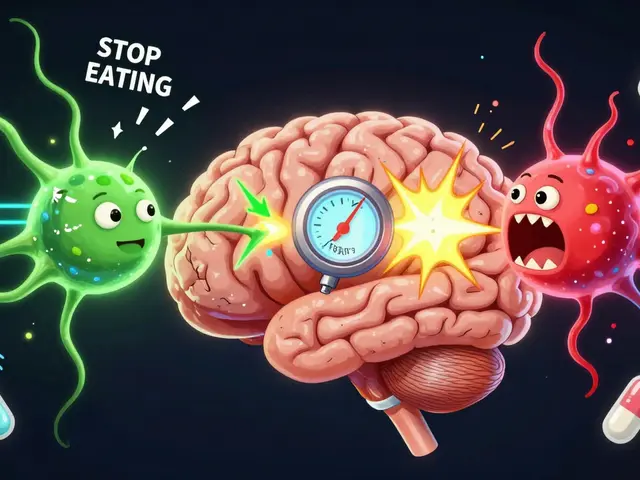
- Weight Loss Supplements: Many contain sibutramine, an appetite suppressant banned by the FDA in 2010 due to its link to heart attacks and strokes. Another common hidden ingredient is phenolphthalein, a laxative linked to DNA damage and cancer risks.
- Sexual Enhancement Products: These frequently contain sildenafil (the active ingredient in Viagra) or tadalafil (Cialis). These are powerful prescription drugs that require medical supervision because of their potential side effects.
It gets worse. Some products contain multiple hidden drugs. One analysis found that 20% of adulterated products contained more than one pharmaceutical ingredient. Imagine taking a 'joint pain relief' supplement that secretly contains six different unapproved drugs. You have no idea what you are ingesting, and you certainly aren’t accounting for those ingredients when you take other medications.
| Hidden Ingredient | Found In | Risk/Reason Banned |
|---|---|---|
| Sibutramine | Weight Loss Pills | Increases risk of heart attack and stroke by 16% |
| Phenolphthalein | Weight Loss/Laxatives | Linked to DNA damage and carcinogenic potential |
| Sildenafil/Tadalafil | Sexual Enhancement | Can cause severe drops in blood pressure, priapism |
| Diphenhydramine | Sleep Aids/Cold Meds | Overdose leads to seizures, hallucinations, cardiac arrhythmias |
The Danger of Drug Interactions
The real danger isn’t just the hidden ingredient itself; it’s how it interacts with what else you are taking. If you are on prescription medication for high blood pressure, diabetes, or heart conditions, adding an unknown drug into the mix can be catastrophic.
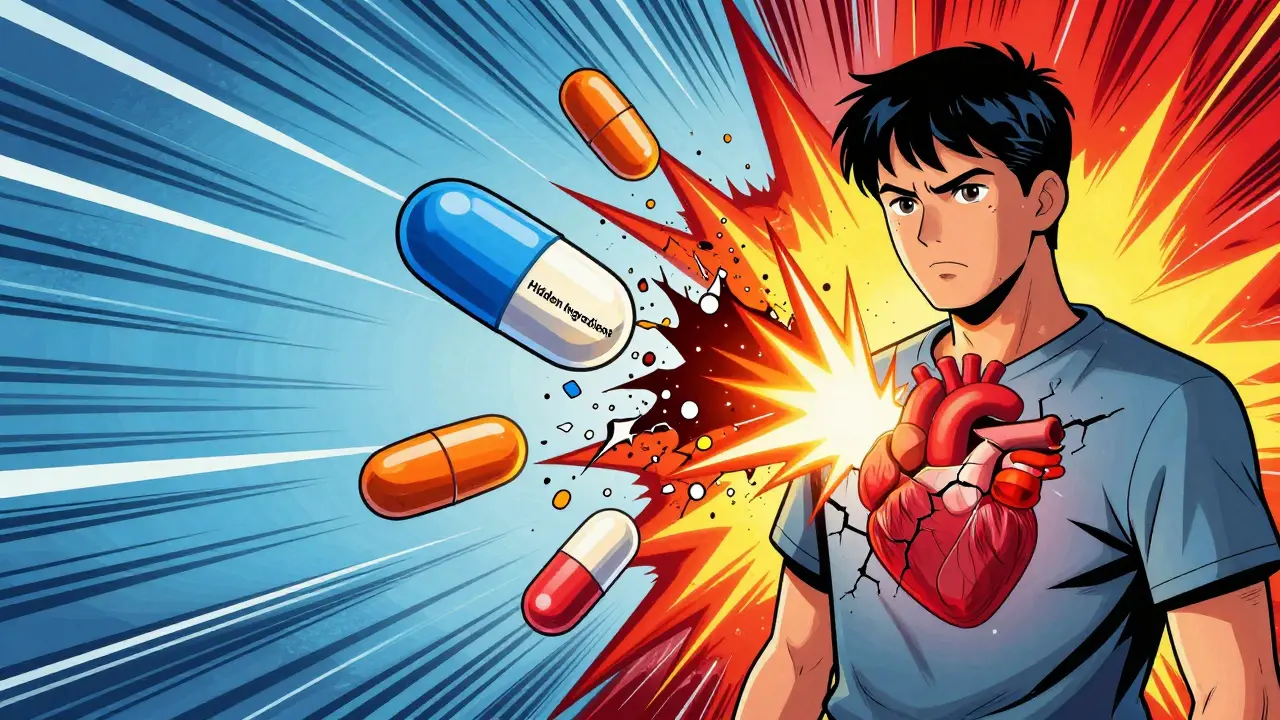
For example, if you take nitrates for chest pain and unknowingly consume a sexual enhancement supplement containing sildenafil, your blood pressure could drop to dangerously low levels, leading to fainting, shock, or death. Similarly, combining hidden stimulants in weight loss pills with certain antidepressants can trigger serotonin syndrome, a life-threatening condition characterized by high fever, agitation, and rapid heart rate.
A 2021 study in JAMA Internal Medicine highlighted a critical issue: 63% of adverse drug events involving supplements resulted from patients failing to disclose their supplement use to healthcare providers. Doctors prescribe medications based on the assumption that they know everything you are taking. When you hide supplements-even 'natural' ones-you rob them of the ability to protect you from interactions.
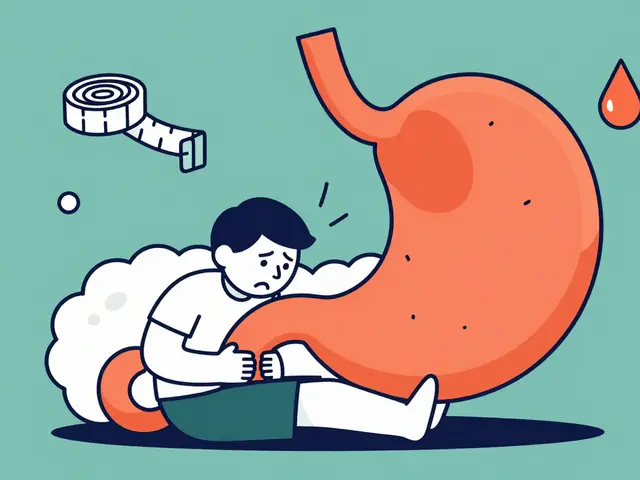
Consider NSAIDs like ibuprofen or naproxen. These are common OTC pain relievers, but they carry serious risks including stomach ulcers, gastrointestinal bleeding, and kidney failure. When combined with other hidden ingredients or taken by elderly patients who are already on multiple prescriptions, these risks multiply. The American College of Gastroenterology reports that NSAID-related complications cause approximately 100,000 hospitalizations and 16,500 deaths annually in the U.S.
Real-World Consequences: Stories from the Field
Statistics tell one story, but patient experiences tell another. The FDA has documented severe adverse events linked to contaminated products. There are cases of men experiencing priapism-a painful erection lasting more than four hours-requiring emergency surgery to prevent permanent tissue damage. This happened because they took 'natural' sexual enhancers that contained hidden PDE5 inhibitors.
Then there is the social media phenomenon known as the 'Benadryl challenge.' Adolescents intentionally overdosed on diphenhydramine (an antihistamine) to achieve hallucinogenic effects. This led to at least three documented fatalities and numerous hospitalizations for seizures and cardiac arrhythmias. It serves as a stark reminder that OTC medications are still potent drugs, not candy.
Consumer reports also highlight everyday confusion. One user shared their experience of taking a 'natural' weight loss pill that spiked their blood pressure to 180/110. Independent testing later confirmed the presence of undisclosed sibutramine. Without knowing what was in the bottle, they had no way to anticipate this reaction.
How to Protect Yourself: A Practical Safety Plan
You might feel overwhelmed by these risks, but you have power. You can take specific steps to verify the safety of your OTC medications and supplements. Here is a practical checklist to follow:
- Check the FDA Warning List: Before buying any supplement, especially for weight loss or sexual health, search the FDA’s Health Fraud Product Database. If the product is listed, do not buy it. Remember, though, that if it’s not on the list, it doesn’t guarantee safety-it just means it hasn’t been caught yet.
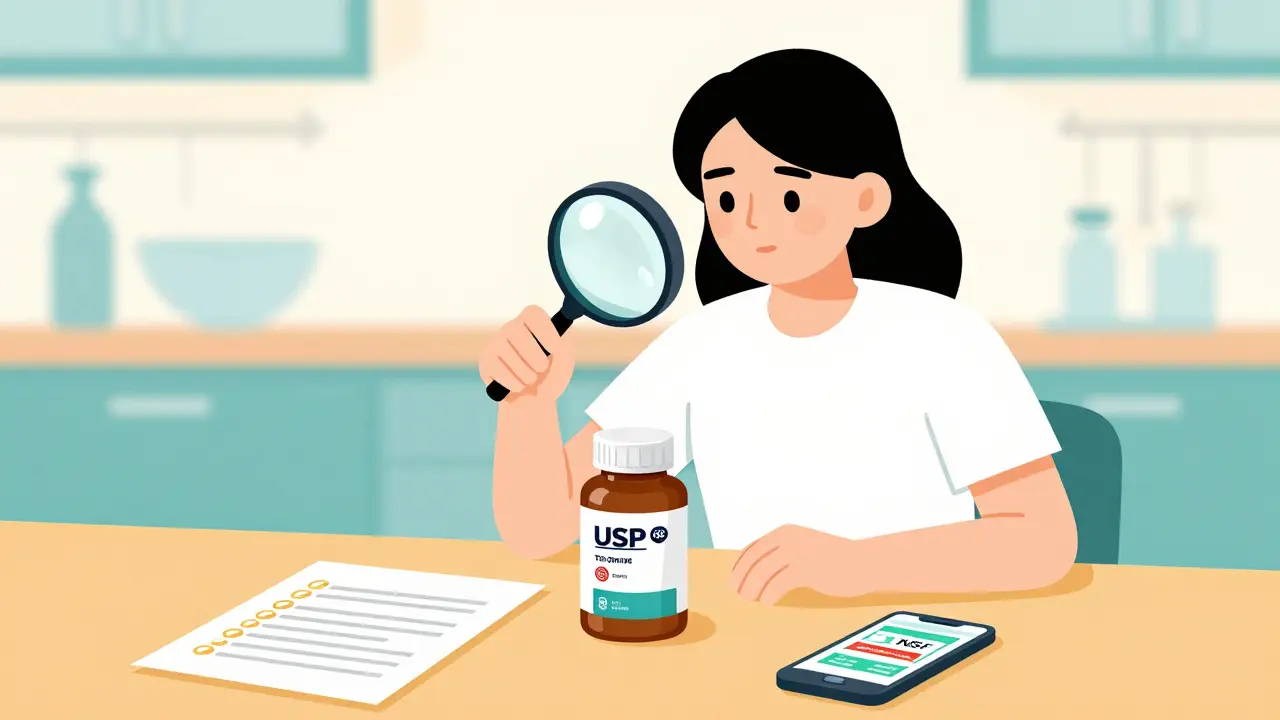
- Look for Third-Party Verification Seals: Reputable organizations like USP (United States Pharmacopeia), NSF International, and ConsumerLab.com test products for label accuracy and contaminants. Look for their seals on the packaging. These companies act as independent watchdogs, verifying that what’s on the label is actually in the bottle.
- Practice the '5-5-5 Rule': Spend 5 minutes researching the product online, 5 minutes checking the FDA database, and 5 minutes discussing it with a pharmacist. Pharmacists are invaluable resources. They can check for interactions with your current medications and advise on safer alternatives.
- Maintain a Complete Medication List: Keep a written list of all prescription drugs, OTC medications, and supplements you take. Update it regularly and share it with every healthcare provider you see. This ensures they have the full picture when prescribing new treatments.
- Beware of 'Miracle' Claims: If a product promises rapid weight loss, instant sexual enhancement, or cures for chronic diseases, be skeptical. Legitimate medicines work gradually and have known side effects. 'All-natural' does not mean 'safe,' and 'no side effects' is almost always a lie.
Who Is Most at Risk?
While anyone can fall victim to contaminated supplements, some groups are more vulnerable. Elderly individuals often take multiple prescription medications-an average of 4.9 prescriptions plus supplements. This polypharmacy creates a complex web of potential interactions. Adding an unknown variable increases the likelihood of a harmful event significantly.
Adolescents are also at risk, largely due to social media trends that promote misuse of OTC medications. Lack of awareness about dosage and side effects can lead to accidental overdoses. Parents should monitor what their teens are taking and educate them on the dangers of experimenting with medications.
People with pre-existing conditions like heart disease, diabetes, or liver problems are particularly susceptible. Their bodies may process drugs differently, making them more sensitive to hidden ingredients. For instance, someone with liver toxicity issues could suffer acute liver failure from a contaminated joint pain supplement.
The Future of OTC Safety
Is anything being done to fix this? Yes, but slowly. The FDA updated its guidance on New Dietary Ingredient notifications in 2022, requiring more rigorous safety documentation. However, compliance remains voluntary. In Congress, the OTC Medication Safety Act (H.R. 2509) proposes mandatory adverse event reporting and increased enforcement authority for the FDA. While it has bipartisan support, legislation takes time.
In the meantime, the responsibility largely falls on consumers. Industry analysts predict that hidden ingredient contamination will continue to rise, driven by e-commerce sales channels that bypass traditional retail safeguards. Online marketplaces make it easy for fraudulent sellers to reach global audiences quickly.
As of July 2026, consumer awareness has improved slightly, but significant gaps remain. Only 0.3% of dietary supplement adverse events are reported to the FDA, meaning we likely don’t know the true scope of the problem. Until regulations tighten, vigilance is your best defense.
Are all supplements unsafe?
No, not all supplements are unsafe. Many reputable brands produce high-quality products that are tested for purity and potency. The risk lies primarily with products making exaggerated claims, those lacking third-party verification, and those sold through unregulated online channels. Always choose brands with transparent manufacturing practices and look for seals from organizations like USP or NSF.
What should I do if I think I’ve taken a contaminated supplement?
If you experience unexpected symptoms like rapid heartbeat, severe digestive issues, allergic reactions, or changes in blood pressure after taking a supplement, stop using it immediately. Contact your healthcare provider or poison control center. Report the incident to the FDA via their MedWatch program to help identify potentially dangerous products.
Why are weight loss and sexual enhancement supplements so risky?
These categories are highly profitable and attract consumers seeking quick results. Unscrupulous manufacturers exploit this demand by adding powerful, banned pharmaceutical ingredients to make the products appear effective. Since these ingredients are illegal to sell without a prescription, they are hidden from labels, creating significant health risks.
Does 'all-natural' mean safe?
No. 'Natural' is a marketing term, not a safety guarantee. Many natural substances can be toxic or interact dangerously with medications. Furthermore, 'natural' products can be contaminated with synthetic drugs during manufacturing. Always evaluate products based on scientific evidence and third-party testing, not just marketing claims.
How can I check if a supplement is on the FDA warning list?
You can search the FDA’s Health Fraud Product Database online. Enter the product name or manufacturer to see if it has been flagged for containing undeclared drugs or contaminants. This database is updated regularly with new findings and warnings.
10 Comments

Mohit Patil
July 7 2026
they dont want you to know what is really in those pills because the big pharma cartel controls everything from the top down and the fda is just a puppet show for the elites who profit from keeping us sick and dependent on their toxic sludge while hiding behind these so called regulations that are nothing more than paper shields

Anna Bartle
July 8 2026
I completely agree with the need for vigilance! It is absolutely crucial that we take charge of our own health journeys by doing our due diligence before purchasing any supplement. Always check for third-party testing seals like NSF or USP, as these provide an extra layer of assurance regarding product purity and potency. Remember that natural does not automatically mean safe, so please consult with your pharmacist or healthcare provider about potential interactions with your current medications. Let's empower ourselves with knowledge and make informed choices every single day!

Katie Dixon
July 10 2026
Look, I love my country and I believe in American ingenuity, but this whole situation is a mess that needs fixing right now because our freedom to choose should include the freedom from being poisoned by lazy regulators who can't even keep up with the market. We need stronger borders for our medicine cabinets too, folks, because letting foreign contaminants slip through is a direct threat to our national security and personal liberty. Stop blaming the victim and start demanding accountability from the companies that exploit our trust in 'natural' remedies while hiding dangerous drugs inside them. It's time to wake up and realize that true patriotism means protecting our families from these corporate predators who care more about profits than our lives.

Chris Munton
July 10 2026
The moral decay of our society is evident in the casual disregard for safety protocols that govern the ingestion of substances into the human body, which serves as a microcosm for broader ethical failures in our collective consciousness. When individuals prioritize quick fixes over rigorous scientific validation, they are not only endangering their own physiological integrity but also contributing to a culture of negligence that erodes the foundation of public health infrastructure. This behavior reflects a deeper spiritual emptiness where immediate gratification supersedes long-term well-being, leading to consequences that are both medically severe and ethically indefensible. We must recognize that the consumption of adulterated supplements is not merely a medical issue but a profound failure of character and community responsibility.

rob van oudernallern
July 11 2026
i mean i got some weight loss pills off ebay last year and they seemed fine at first but then i started feeling weird heart palpitations so yeah maybe i should have checked the fda list before buying them online cause now im just scared to take anything new without asking my doc first lol

Mary Howarth
July 13 2026
Oh my goodness, this is such an important topic to discuss because we all deserve to feel safe and healthy in our daily lives, and knowing what is truly going into our bodies can make such a huge difference in our overall well-being! I am so excited to see more awareness spreading around this issue, and I hope everyone takes a moment to talk to their pharmacists about their supplements because those experts are there to help us stay on track with our health goals! Let's keep supporting each other and sharing this vital information so that no one else has to go through the scary experience of unexpected side effects or hidden ingredients!

Alana Frassinelli
July 13 2026
i hear you man and its crazy how easy it is to just grab something off the shelf thinking its harmless when really you might be playing russian roulette with your health especially if you are already on meds for blood pressure or heart stuff so yeah its wild that we have to do all this research just to avoid getting hurt by products that are supposed to help us

Gavin Edley
July 14 2026
You people are acting like the FDA is some benevolent guardian angel when in reality they are part of the problem, stifling innovation and protecting big business interests while pretending to care about your safety. The idea that you need a seal of approval from another corporation to trust a product is absurd, and frankly, it's a scam designed to keep you paying for peace of mind that doesn't exist. I've been taking unverified herbal remedies for years without issue, and look at me, still standing, unlike all you doom-mongers who think every pill is a death sentence. Wake up and smell the coffee, or whatever it is you're drinking, and stop letting fear dictate your life choices.

jeremy pritchett
July 15 2026
listen up folks the truth is out there and most of you are sleeping on the real dangers of these so called natural supplements because the mainstream media wants you to stay complacent and keep buying junk that makes you sick so you need more meds its a cycle of control and the only way to break free is to educate yourself and question everything including what your doctor tells you cause even they are part of the matrix
Divya Prakash
July 6 2026
It is truly pathetic that the general populace lacks the intellectual fortitude to read a label, let alone understand the basic pharmacological implications of ingesting unregulated substances. The regulatory framework in this country is designed for the masses who prefer convenience over safety, but we must acknowledge that personal responsibility is the ultimate safeguard against such mediocrity. If one cannot be bothered to verify the provenance of their 'wellness' products through third-party verification seals like USP or NSF, they are essentially volunteering as test subjects for corporate negligence. The fact that the FDA operates with such limited resources is not an excuse for consumer apathy; it is a reflection of a society that has outsourced its critical thinking to marketing departments. One would assume that individuals claiming to prioritize their health would possess the diligence to cross-reference ingredients with known pharmaceutical databases, yet here we are discussing preventable tragedies caused by sheer ignorance. It is almost insulting to suggest that legislation can save people from themselves when the solution lies in basic education and skepticism.