
GLP-1 Meal & Dosage Optimizer
Meal Volume Checker
Titration Decision Support
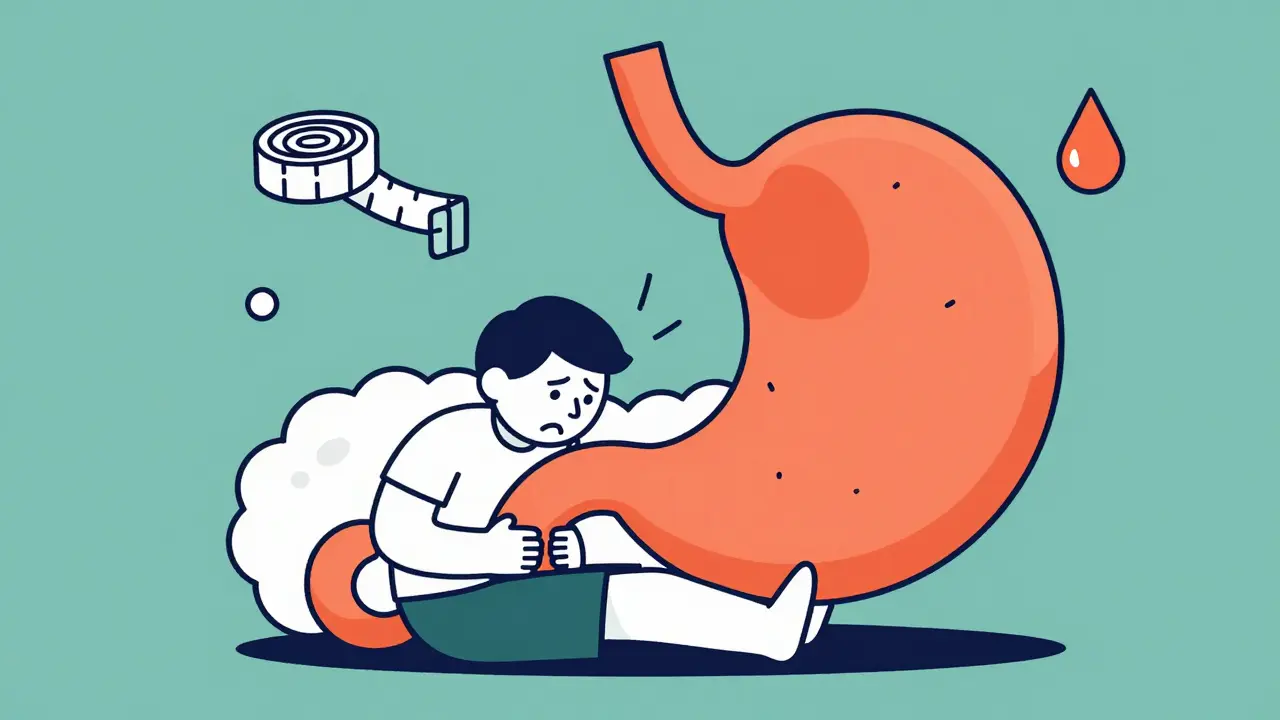
Starting a GLP-1 medication often feels like a trade-off. On one hand, the weight loss and blood sugar control are incredible; on the other, the nausea and bloating can make you feel like you're constantly fighting your own stomach. If you're struggling with these symptoms, you aren't alone. Research shows that between 40% and 70% of people using these drugs deal with gastrointestinal (GI) issues, and for some, it's so bad they stop treatment entirely.
The good news is that these side effects aren't inevitable. Most of the time, the "stomach struggle" is a result of how the drug works-it slows down your gastric emptying and affects your brain's nausea center. By changing GLP-1 GI side effects through strategic eating and a more flexible dosing schedule, you can significantly reduce your discomfort and stay on track with your health goals.
Key Takeaways
- Focus on low-volume, high-protein meals to prevent nausea.
- Avoid large meals (over 600 calories) and heavy fats during the titration phase.
- Use a "symptom-guided" approach to dose increases rather than a strict calendar.
- Limit fluids during meals to avoid overfilling your stomach.
- Prioritize hydration and electrolytes if vomiting occurs.
Why Your Stomach Reacts to GLP-1s
To fix the problem, it helps to understand what's happening inside. GLP-1 receptor agonists is a class of medications that mimic the glucagon-like peptide-1 hormone to stimulate insulin and slow gastric emptying. While slowing down digestion is exactly what helps you feel full and lose weight, it can also lead to food sitting in your stomach much longer than usual. If you eat a normal-sized meal, your stomach can't clear it fast enough, leading to that "overstuffed" feeling, nausea, or vomiting.
Different drugs behave differently. Short-acting agents like Exenatide often cause more immediate nausea and vomiting. On the flip side, long-acting options like Semaglutide (found in Ozempic and Wegovy) or Dulaglutide (Trulicity) are more likely to cause diarrhea. The intensity of these symptoms usually peaks around week 4 of treatment and gradually fades as your body adapts.
Meal Planning Strategies That Actually Work
The biggest mistake people make is trying to eat "normal" meals while their digestion is slowed down. Data shows that a huge percentage of people who quit these meds in the first two months were eating meals over 600 calories. When your stomach is moving in slow motion, volume is your enemy.
Try the "Low-Volume, High-Protein" approach. Instead of three big meals, aim for 5-6 small snacks or mini-meals throughout the day. Keep each meal between 300 and 400 calories. Focus on getting 20-30g of protein per meal-this helps maintain muscle mass while keeping you full without overloading your system. Avoid simple carbohydrates and keep fats low (under 15g per meal), as greasy foods stay in the stomach even longer and can trigger severe nausea.
| Factor | Avoid / Limit | Preferred Choice |
|---|---|---|
| Meal Size | >600 calories / Large portions | 300-400 calories / Small portions |
| Protein | Low-protein options | 25-30g per meal (lean meats, tofu) |
| Fats | Fried foods, heavy creams (>15g) | Small amounts of healthy fats (avocado, nuts) |
| Fluids | Drinking >200ml during a meal | Sipping water between meals |
| Carbs | Simple sugars, refined flours | Complex carbs (leafy greens, berries) |
Timing is also a game-changer. Many users find that eating a light meal about two hours after their weekly injection helps settle the stomach. Additionally, avoid eating late at night. Because your digestion is slow, a late dinner can lead to morning nausea or acid reflux because the food is still there when you wake up.

Mastering Dose Titration
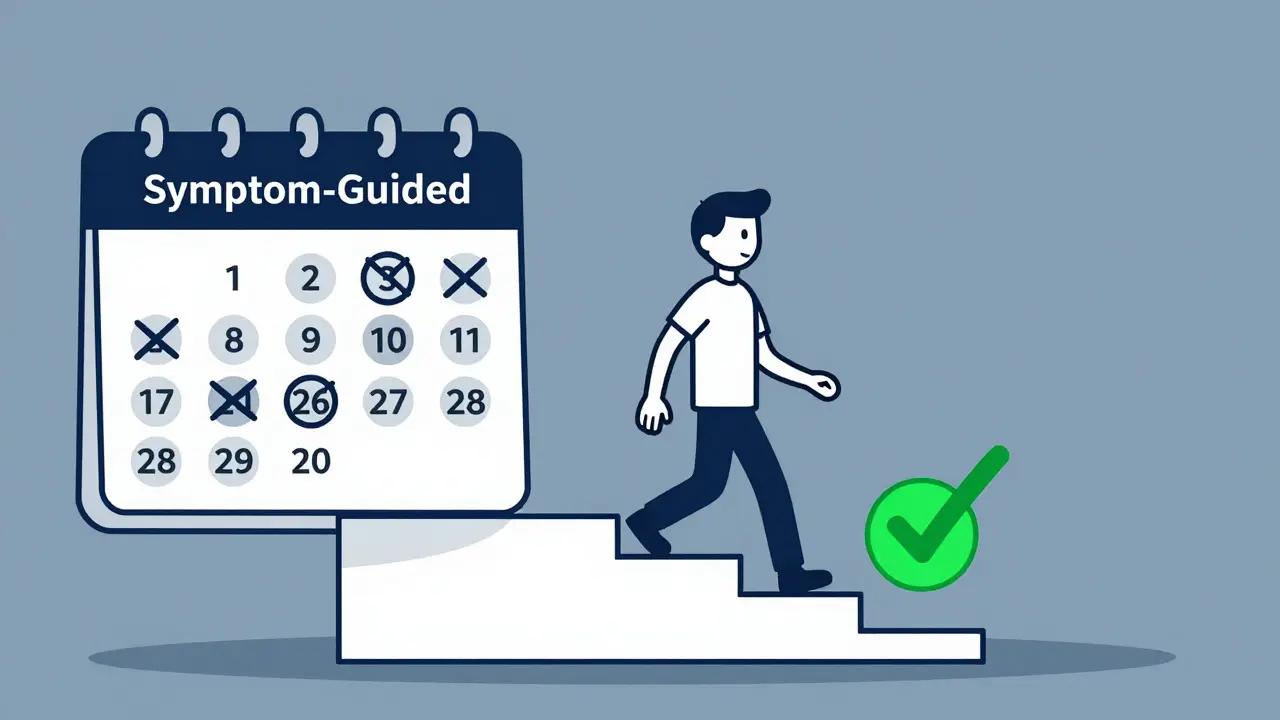
Dose titration is the process of gradually increasing your medication to reach a maintenance level. While the pharmacy box might give you a strict calendar (e.g., increase every 4 weeks), a "symptom-guided" approach is often much more successful. This means you only move up to the next dose once your current symptoms have vanished for at least a full week.
If you're feeling moderate nausea, don't rush the increase. Delaying the next step by 2-4 weeks can give your gut time to "train" and adjust. If you're experiencing severe symptoms-like vomiting more than twice a week-it's a signal to hold the dose where it is for 4-6 weeks or even discuss a temporary dose reduction with your doctor. This "step-back" strategy has been shown to save a majority of patients who were on the verge of quitting.
For those using once-weekly injections, try dosing in the morning. Some evidence suggests this can reduce nausea by up to 30% compared to evening shots. If you do experience a flare-up, start with clear liquids for 24-48 hours and then move to bland foods-think bananas, rice, or toast-before jumping back into your regular high-protein plan.
When to Worry vs. When to Wait
Most GLP-1 side effects are transient and annoying, but a few are serious. It's important to distinguish between "the nausea is killing me" and a medical emergency. Non-serious events like bloating, mild diarrhea, and occasional nausea are common and typically resolve over time.
However, keep an eye out for red flags. Severe, unrelenting abdominal pain that radiates to your back can be a sign of Pancreatitis. If you find you cannot keep any liquids down for 24 hours, you risk severe dehydration, which may require IV fluids. While serious issues like bowel obstructions or gastroparesis are rare (affecting less than 1% of users), they require immediate medical attention.
How long do the nausea and vomiting usually last?
For most people, nausea peaks around the 4th week of treatment. It typically begins to decline by week 8 and often disappears or becomes very mild by week 56. The symptoms are usually most intense right after a dose increase, which is why slow titration is so important.
Can I drink water while I'm eating?
It's best to limit fluids during your actual meal. Try to keep it to about 120-180ml. Since GLP-1s slow down how fast food leaves your stomach, adding a lot of liquid fills that remaining space quickly, which can trigger nausea or vomiting. Drink plenty of water between meals instead.
What should I do if I can't stop vomiting?
If you are vomiting more than twice a week or cannot maintain hydration, you should hold your dose escalation. In some cases, doctors recommend holding the medication for 7-10 days before restarting at the previous, lower dose to let your system reset.
Are there specific foods that make GLP-1 side effects worse?
Yes. High-fat, fried, and greasy foods are the biggest culprits because they take the longest to digest. Simple sugars and large amounts of refined carbohydrates can also cause GI distress. Stick to lean proteins and cooked vegetables during your titration phase.
Is it okay to slow down the titration schedule?
Absolutely. In fact, extending titration over 20-24 weeks instead of the standard 16-20 weeks has been shown to reduce treatment discontinuation rates by about 35%. It is better to move slowly and stay on the drug than to rush and quit because of intolerance.
Next Steps for Different Scenarios
If you are just starting: Don't wait for the nausea to hit. Start the small-meal, high-protein habit on day one. Keep a symptom tracker to note exactly when nausea occurs relative to your dose and your meals.
If you are currently struggling: Scale back your portion sizes immediately. If you're eating 600+ calories per meal, drop to 300. If nausea persists, contact your provider to discuss delaying your next dose increase for another 2 weeks.
If you have a history of GI issues: Be extra cautious. Work with your doctor to implement an extended titration schedule (20+ weeks) and consider starting with a very strict bland diet for the first few days of each new dose level.
14 Comments

mimi clouet
April 14 2026
Totally agree with the protein focus! ✨ I've found that Greek yogurt bowls with a few berries are absolute lifesavers in the morning 🍓 Just a little tip, try adding a bit of ginger to your tea too, it works wonders for that lingering nausea! ☕️💖

Mark Dueben
April 14 2026
It's really helpful to look at this as a journey of adaptation. Some of us might need a bit more time than others to find our rhythm with the titration, and that's perfectly okay. Let's all support each other in finding what works for our specific bodies.

Scott Lofquist
April 16 2026
Actually, the 600 calorie rule is way too simplistic 🙄 Some people can handle a steak dinner and feel fine while others gag at a piece of toast. It's all about the glycemic load and the specific fat profile, not just a random number. Also, skipping the fluid during meals is common sense for anyone who's actually read the clinical papers 🤦♂️

Becca Suttmiller
April 17 2026
I appreciate the focus on the symptom-guided approach. It feels much more sustainable than following a rigid calendar that doesn't account for how we actually feel every day.

S.A. Reid
April 18 2026
While the presented data appears superficially sound, one must wonder if these pharmacological interventions are merely masking systemic failures of our nutritional infrastructure. I suspect the "side effects" are perhaps the body's desperate attempt to reject a synthetic compound pushed by corporate interests. It is quite quaint to believe a simple "bland diet" solves a fundamental biological mismatch, though I remain politely optimistic for those who find solace in such methods.

Kenzie Evans
April 20 2026
This is such basic advice. Like, really? Tell us something we don't know. I've been on this stuff for months and the "low volume" thing is just common sense. The table is okay but honestly, the advice on titration is just what every doctor says anyway. Do better.

Sam Dyer
April 22 2026
Listen up! If you can't handle a little nausea for the sake of getting your health back in line, you're just soft! 🇺🇸 This stuff is a miracle of modern medicine and we should be thankful we have the best pharma in the world. Just suck it up, eat your lean chicken, and stop whining about a little bloating! ;-)

Milo Tolley
April 22 2026
The gastrointestinal stasis is absolutely catastrophic!!! My gastric motility is basically zero right now... it's a total nightmare!!!! The pharmacodynamics of these agonists are just wild!!!!

Rim Linda
April 24 2026
Omg I literally cannot even with the nausea right now!! 😭 It's like my stomach is doing a flip every five minutes! :'(

Ikram Khan
April 24 2026
Wow, the struggle is real! 😱 I've seen so many people battle this. Maybe try some ginger chews or a little bit of peppermint tea to soothe the lining? Keep fighting, you're doing great! :)

rupa das
April 25 2026
dont believe the a void fats thing some of us do fine with olive oil

Randy Ryder
April 27 2026
The mention of gastroparesis is a critical point of clinical intersection here. I'm curious if the titration delay significantly alters the long-term receptor downregulation or if it's purely a symptomatic relief mechanism for the upper GI tract. The pharmacokinetic profile suggests a steady state, but the physiological response varies wildly.

Jasmin Stowers
April 28 2026
sounds like a good plan just be patient with yourself

Clare Elizabeth
April 13 2026
you guys got this keep pushing through the rough patches and you will feel so much better soon