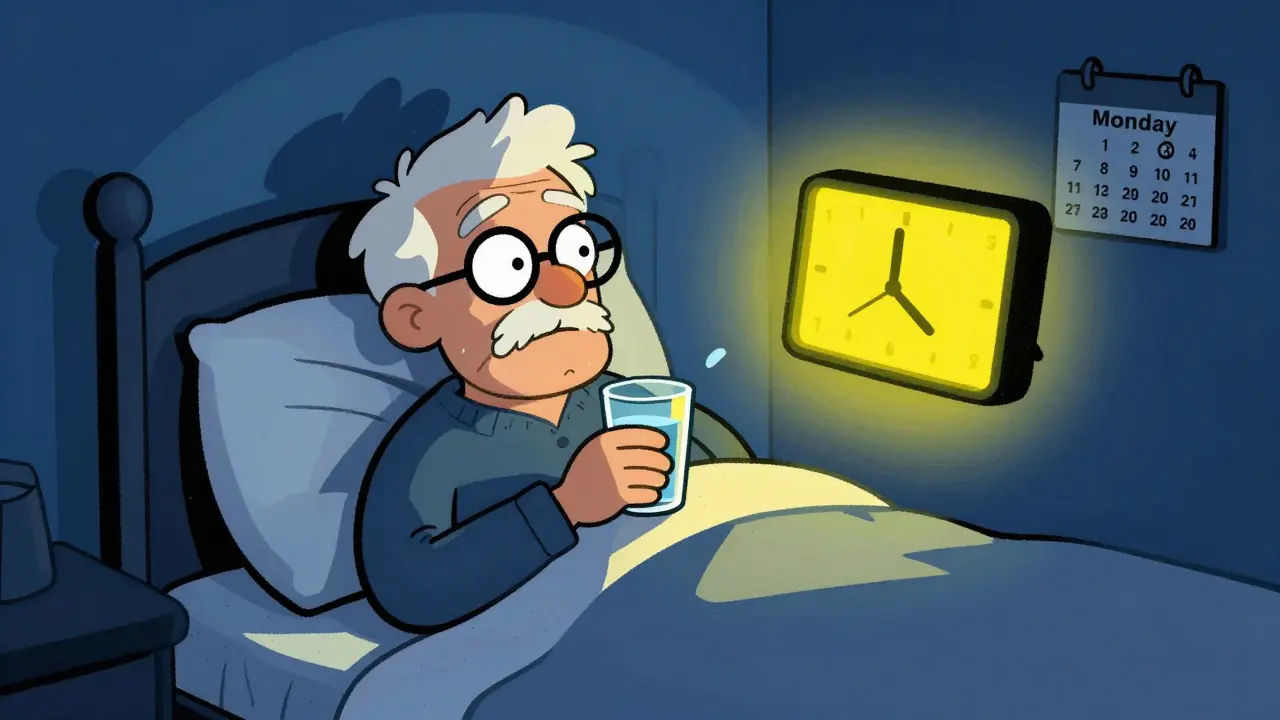
Do you or a loved one lie awake until dawn, only to feel groggy and unsteady by mid-morning? You are not alone. Insomnia affects nearly half of adults over 65, turning what should be restful nights into sources of anxiety and danger. For decades, the standard response was a quick prescription for strong sedatives. But those days are over. Today’s medical consensus is clear: traditional sleep drugs carry hidden dangers for aging bodies, from increased fall risks to memory loss.
Finding a solution that actually works without causing harm requires looking beyond the old habits of prescribing. The goal isn’t just to knock someone out; it is to restore natural sleep patterns while keeping safety at the forefront. This guide breaks down the safer medication choices available today, explains why some common drugs are now considered risky, and offers practical steps for navigating these options with your doctor.
Why Sleep Meds Are Riskier for Seniors
Before choosing a medication, it helps to understand why age changes the game. As we get older, our bodies process drugs differently. Liver and kidney function naturally decline, meaning medications stay in the system longer. This leads to higher concentrations of the drug in the blood, even at standard doses.
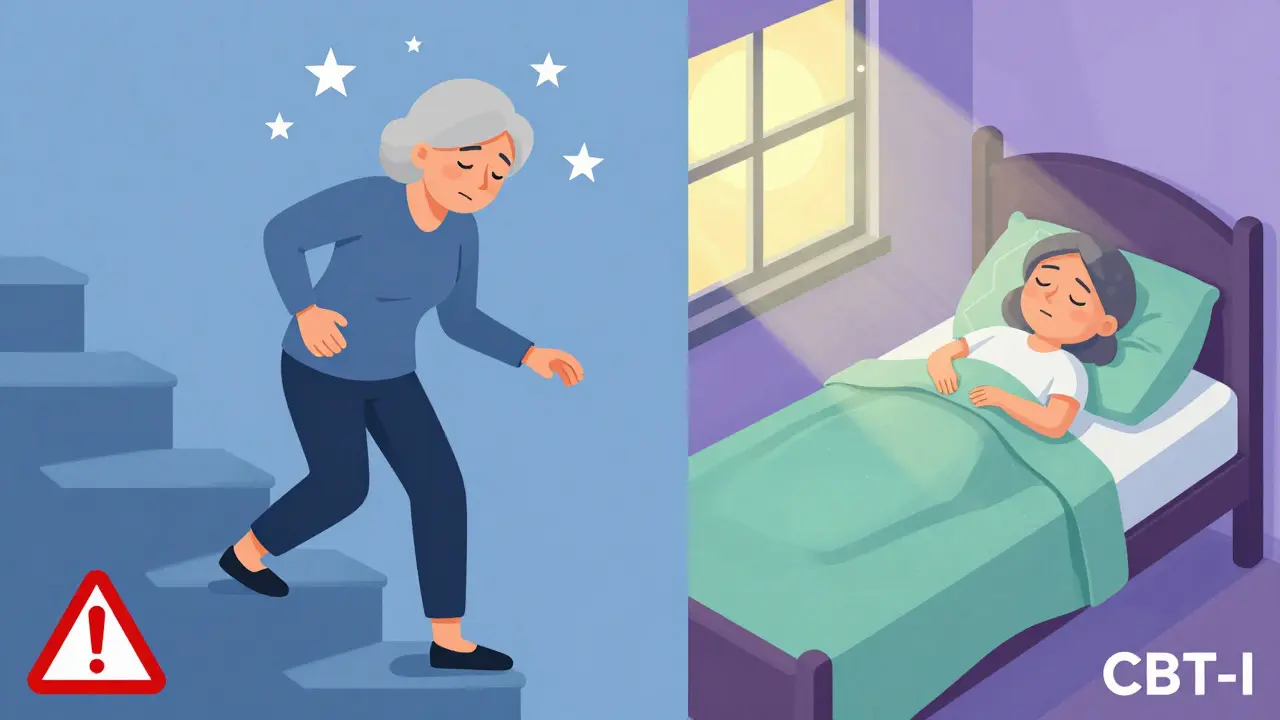
The American Geriatrics Society (AGS) issued a major warning in their 2019 Beers Criteria, which lists potentially inappropriate medications for older adults. They explicitly recommend against using benzodiazepines (like diazepam or temazepam) and non-benzodiazepine receptor agonists (often called "Z-drugs" like zolpidem/Ambien) as first-line treatments for insomnia in people over 65. Why? Because studies show these drugs increase the risk of falls by up to 50% and significantly raise the chance of hip fractures. There is also a well-documented link to cognitive impairment, making confusion and memory issues worse.
If you have ever felt like you were walking on ice after taking a sleeping pill, this is why. The residual sedation impairs motor coordination long after you wake up. For an older adult, that extra drowsiness can mean the difference between a good night’s sleep and a broken hip.
The Gold Standard: Non-Drug Approaches First
It might surprise you to hear that pills are no longer the first step. Current clinical guidelines from the American Academy of Sleep Medicine (AASM) prioritize Cognitive Behavioral Therapy for Insomnia (CBT-I) as the initial treatment. CBT-I is not talk therapy about your childhood; it is a structured program that helps you retrain your brain to associate bed with sleep. It addresses the anxiety around not sleeping and establishes healthy sleep hygiene routines.
Research shows CBT-I provides lasting benefits without side effects. However, if CBT-I is unavailable, contraindicated, or simply hasn’t worked for you, medication may still be necessary. In those cases, choosing the right type of drug is critical. Here is where the newer, safer options come in.
Safer Medication Options for Older Adults
When medication is needed, the focus shifts to agents with minimal next-day hangover effects and lower risks of dependency. Here are the top contenders currently recommended by geriatric specialists.
Low-Dose Doxepin
Doxepin is an older antidepressant, but at very low doses (3mg to 6mg), it acts as a selective histamine H1 receptor antagonist specifically approved for sleep maintenance insomnia. Unlike its high-dose use for depression, this micro-dosing approach has a much cleaner safety profile. A 2024 Network Meta-Analysis published in the journal *Sleep* found that low-dose doxepin demonstrated the highest efficacy for increasing objective sleep efficiency compared to placebo. Patients often report feeling less "drugged" than with Z-drugs, with fewer reports of next-day drowsiness.
Orexin Receptor Antagonists
A newer class of drugs known as Dual Orexin Receptor Antagonists (DORAs) includes lemborexant (Dayvigo) and suvorexant (Belsomra). These work differently than traditional sedatives. Instead of knocking you out by depressing the central nervous system, they block orexin, a neurotransmitter that promotes wakefulness. Think of it as turning off the "wake up" signal rather than forcing the "sleep" switch. Clinical trials show lemborexant reduces time to fall asleep by about 15 minutes and increases total sleep time significantly, with minimal next-day impairment. While effective, cost can be a barrier, as these newer agents are often more expensive than generics.
Ramelteon
Ramelteon is a melatonin receptor agonist. It mimics the body’s natural melatonin to help regulate the sleep-wake cycle. It is particularly useful for sleep-onset insomnia (trouble falling asleep). Ramelteon has a very short half-life and does not cause dependence or withdrawal symptoms. Experts like Dr. Karl Doghramji note its minimal adverse effect profile makes it a valuable first-line option, especially for those worried about addiction risks.
Controlled-Release Melatonin
While over-the-counter melatonin varies widely in quality, prescription-grade controlled-release melatonin (such as Circadin in Europe) offers a steady release of the hormone throughout the night. It is generally safe, inexpensive, and has few interactions with other medications, making it a gentle starting point for many seniors.
| Medication | Primary Use | Key Benefit | Potential Drawback |
|---|---|---|---|
| Low-Dose Doxepin | Sleep Maintenance | High efficacy, low next-day drowsiness | May interact with other heart meds |
| Lemborexant | Falling & Staying Asleep | Natural-feeling sleep, no dependency | Higher cost, prior auth often needed |
| Ramelteon | Sleep Onset | No abuse potential, very safe | Modest efficacy, doesn't help staying asleep |
| Zolpidem (Ambien) | All-night sleep | Widely available | Avoid: High fall risk, complex sleep behaviors |
What to Avoid: The Danger Zone
Knowing what *not* to take is just as important as knowing what to take. If your doctor suggests any of the following, ask questions. Push back if necessary.
- Benzodiazepines: Drugs like lorazepam, diazepam, and temazepam. These are highly addictive, impair balance, and worsen cognitive decline.
- Z-Drugs: Zolpidem (Ambien), eszopiclone (Lunesta), and zaleplon (Sonata). While marketed as "safer" than benzos, recent data shows they carry similar risks for falls and strange sleep behaviors (like sleep-eating or sleep-driving).
- Sedating Antihistamines: Diphenhydramine (Benadryl) and doxylamine. Often found in OTC sleep aids, these cause significant next-day confusion and dry mouth, and are linked to long-term dementia risk.
How to Talk to Your Doctor About Sleep Meds
Changing your medication regimen can feel daunting. Here is how to prepare for that conversation to ensure you get the safest care possible.
- Keep a Sleep Diary: For two weeks, record when you go to bed, when you think you fall asleep, how many times you wake up, and when you finally get up. This data helps your doctor distinguish between true insomnia and normal age-related sleep changes.
- List All Current Medications: Many drugs cause insomnia as a side effect (including some blood pressure and asthma meds). Sometimes adjusting *those* doses solves the sleep problem without adding a new pill.
- Ask About Interactions: Mention every supplement and vitamin you take. Some herbal remedies interact dangerously with prescription sleep aids.
- Inquire About CBT-I: Ask if there are digital CBT-I programs available. Apps like reSET-O or others cleared by regulatory bodies can provide structured therapy without leaving home.
- Demand a Trial Period: If a medication is prescribed, agree on a short trial period (e.g., 2-4 weeks) with a plan to reassess. Never stay on a hypnotic indefinitely without regular reviews.

Real-World Experiences and Costs
Patient feedback highlights the real-world trade-offs. On forums like Reddit and Drugs.com, users frequently praise low-dose doxepin for providing "solid sleep" without the morning hangover associated with Ambien. One senior user noted, "Doxepin 3mg gave me 5 extra hours of solid sleep without the hangover I got from Ambien." However, cost remains a significant hurdle. Newer agents like lemborexant can cost hundreds of dollars per month without insurance coverage, whereas generic doxepin is often under $15. Always check with your pharmacist about generic alternatives and patient assistance programs.
Next Steps for Better Sleep
If you are struggling with insomnia, start by ruling out underlying causes like sleep apnea, restless leg syndrome, or pain. Once those are addressed, consider trying non-drug methods first. If medication is necessary, steer clear of benzodiazepines and Z-drugs. Instead, discuss low-dose doxepin, ramelteon, or orexin antagonists with your healthcare provider. Remember, the best sleep aid is one that lets you wake up feeling refreshed, not confused or shaky.
Is it safe for seniors to take melatonin?
Yes, melatonin is generally considered safe for older adults. It is a hormone naturally produced by the body that regulates the sleep-wake cycle. Prescription-controlled-release versions offer consistent dosing, while over-the-counter supplements vary in quality. It is best used for trouble falling asleep rather than staying asleep.
Why are benzodiazepines bad for older adults?
Benzodiazepines slow down the central nervous system, which can severely impair balance and coordination in older adults. This significantly increases the risk of falls, hip fractures, and hospitalizations. They also contribute to cognitive decline and confusion, and carry a high risk of dependency.
What is the most effective non-drug treatment for insomnia?
Cognitive Behavioral Therapy for Insomnia (CBT-I) is the gold standard non-drug treatment. It involves restructuring negative thoughts about sleep and establishing healthy bedtime routines. Studies show it provides long-lasting relief without the side effects associated with medications.
Can low-dose doxepin cause dependency?
No, low-dose doxepin (3-6mg) is not considered addictive or habit-forming. Unlike benzodiazepines and Z-drugs, it does not carry a risk of withdrawal symptoms or rebound insomnia when discontinued, making it a safer long-term option for sleep maintenance.
How long should I take sleep medication?
Most experts recommend using sleep medications for the shortest duration possible, typically 2 to 4 weeks. Long-term use increases the risk of tolerance and side effects. Regular reassessment with your doctor is crucial to determine if the medication is still needed or if dosage adjustments are required.