
Tremor: Causes, Medications, and What You Can Do
When your hands shake without you meaning to, it’s not just annoying—it can be a signal. tremor, an involuntary, rhythmic muscle contraction that leads to shaking movements in one or more parts of the body. Also known as shaking, it’s not a disease itself but a symptom that shows up in everything from caffeine overload to serious neurological conditions. Many people assume tremor means Parkinson’s, but that’s only one piece. Essential tremor, the most common type, often runs in families and shows up when you’re trying to hold a cup or write. It’s not life-threatening, but it can make daily tasks feel impossible.
Tremor doesn’t come out of nowhere. It’s often tied to medication side effects, unintended shaking caused by drugs like antidepressants, asthma inhalers, or even thyroid meds. For example, SSRIs like sertraline or bupropion can trigger tremors in some people—sometimes worse than the depression they’re meant to treat. essential tremor, a neurological disorder that worsens with movement and improves with alcohol or beta-blockers is often confused with Parkinson’s tremor, a resting tremor that improves when you move and is linked to dopamine loss. The difference matters because treatment isn’t the same. One might respond to propranolol; the other needs levodopa.
It’s not just about the tremor itself—it’s about what’s behind it. Thyroid problems, low blood sugar, anxiety, or even heavy metal exposure can cause shaking. And if you’re on a new med or switched generics, that tremor might be your body’s way of saying, "This isn’t right." That’s why keeping a medication journal, tracking when the shaking started, and noting what you were taking, can be more helpful than any test. You don’t need to guess. You just need to connect the dots.
What you’ll find below are real stories and clear breakdowns: how beta-blockers help some tremors but make others worse, which antidepressants are most likely to cause shaking, why switching thyroid meds can trigger it, and what to ask your doctor when your hands won’t stop moving. No fluff. Just what works, what doesn’t, and what you need to know before your next appointment.
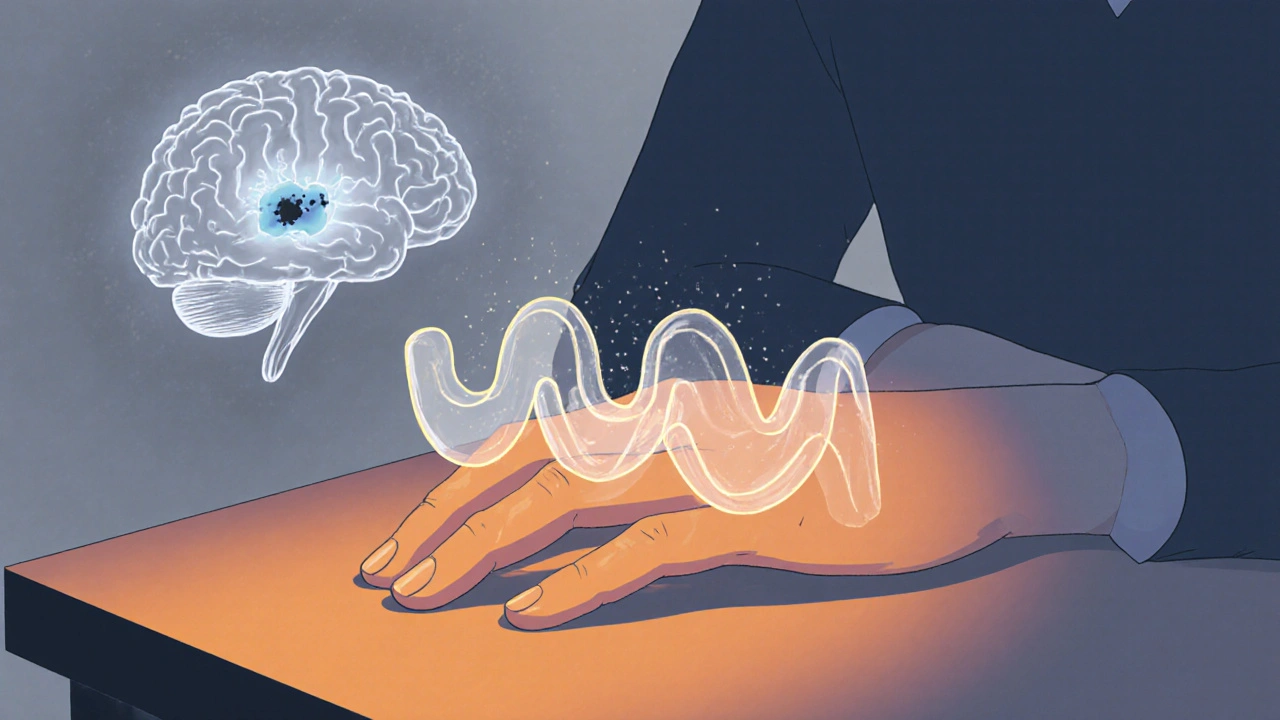
Parkinson’s Disease: Understanding Tremor, Stiffness, and How Dopamine Replacement Works
Parkinson’s disease causes tremor, stiffness, and movement problems due to dopamine loss. Dopamine replacement with levodopa helps symptoms but has long-term side effects. Learn how treatment works and what to expect.
View MorePopular Posts