
Tracking Medication Response: What Works, What Doesn’t, and How to Know
When you start a new medication, tracking medication response, the process of observing how your body reacts to a drug over time to determine its effectiveness and safety. Also known as medication monitoring, it’s not just about whether the pill works—it’s about noticing the quiet changes: the sleepless nights, the dizzy spells, the weird taste in your mouth, or the sudden burst of energy you didn’t expect. Most people assume if the main symptom improves, the drug is doing its job. But that’s not the whole story. drug side effects, unintended physical or psychological reactions to a medication, often as common as the intended effect can be just as important as the benefit. Take SSRIs—great for anxiety, but they can kill your libido or make you gain weight. Bupropion might keep your weight stable, but it could spike your anxiety or, rarely, trigger a seizure. Without tracking, you won’t know which trade-off you’re making.
And then there’s medication interactions, when two or more drugs (or even foods) change how each other works in your body, often dangerously. Grapefruit doesn’t just taste bitter—it can turn your blood pressure pill into an overdose. Warfarin and aspirin? A deadly mix. Even switching generic levothyroxine brands can throw off your thyroid levels if you’re not watching your TSH. These aren’t rare edge cases. They’re everyday risks. personalized medicine, tailoring drug treatment to an individual’s unique biology, symptoms, and reactions isn’t sci-fi—it’s just paying attention. The person who feels fine on a drug might be quietly bleeding internally because of platelet dysfunction. Someone else might be having nightmares from prazosin and think it’s just stress. Tracking means writing down what happens, not just hoping it goes away.
You don’t need a lab coat to do this. You need a notebook, a phone reminder, and the courage to say, "This isn’t right." The posts below show real examples: how people spotted dangerous interactions between calcium channel blockers and citrus, why switching generic thyroid meds needs a TSH check, how contaminants in pills like Mucinex caught people off guard, and why some antidepressants increase bleeding risk more than others. These aren’t abstract warnings. They’re stories from people who tracked their response—and lived to tell it. Whether you’re on heart meds, antidepressants, antibiotics, or even vitamin C supplements, the same rule applies: if something feels off, it probably is. And you deserve to know why.
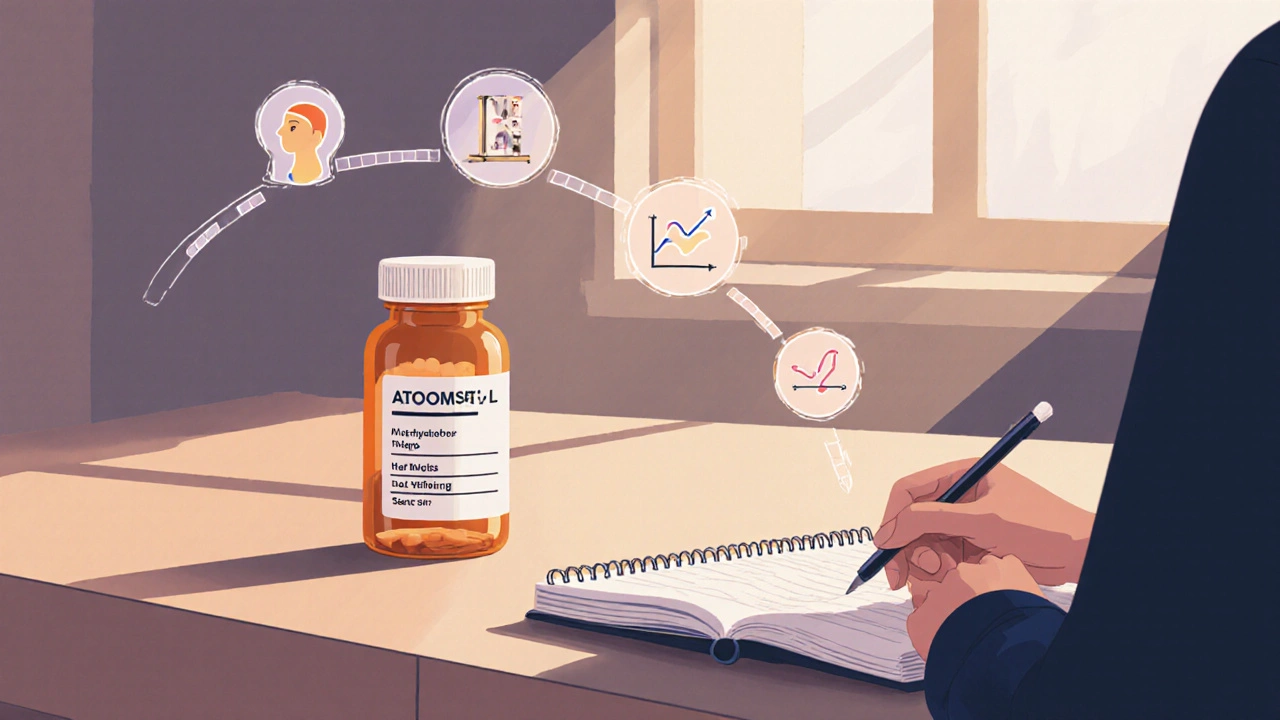
Keeping a Medication Journal: Tracking Your Response to Generic Medications
Keep a medication journal to track how your body responds when switching to generic drugs. Learn what to record, which meds need it most, and how to use your journal with your doctor.
View MorePopular Posts

Top Alternatives to North Drugstore in 2025
18 Mar 2025