TDM: Therapeutic Drug Monitoring Explained with Real-World Examples
When you take a medicine, your body doesn’t always process it the same way as someone else. That’s where TDM, therapeutic drug monitoring. Also known as drug level testing, it’s the process of measuring how much of a drug is in your blood to make sure it’s working without causing harm. It’s not for every pill you take—but for the ones where the line between helping and hurting is thin. Think of it like tuning a radio: too little signal and you miss the station; too much and you get static. TDM helps doctors find that sweet spot.
It’s most often used for drugs with a narrow therapeutic index, medications where small changes in dose can lead to serious side effects or treatment failure. Examples include heart drugs like digoxin, antibiotics like vancomycin, seizure meds like phenytoin, and mood stabilizers like lithium. These aren’t over-the-counter supplements—they’re powerful, and they need careful tracking. A level just 10% too high can cause toxicity. A level 20% too low? The disease comes back. That’s why TDM isn’t optional for these drugs—it’s essential.
It’s not just about the number in the lab. TDM connects to your symptoms, your kidney and liver function, other meds you’re taking, and even your age or weight. A 70-year-old on lithium might need a lower dose than a 30-year-old, even if their blood level looks "normal." That’s why doctors don’t just look at the result—they look at you. And when you’re on multiple drugs, interactions can throw off levels fast. For example, an antibiotic might make your blood thinning drug spike, or an antacid might block your thyroid med from absorbing. TDM catches those hidden problems before they cause harm.
You won’t see TDM on every prescription. But if you’re on one of these high-risk meds, your doctor or pharmacist should be checking your levels regularly. It’s not about distrust—it’s about precision. The goal isn’t to keep you on a strict schedule of blood draws. It’s to give you the right dose, the fewest side effects, and the best chance at getting better. And when you know your levels are on target, you can stop guessing and start living.
Below, you’ll find real cases where TDM made the difference—whether it was catching a dangerous interaction, fixing a seizure that wouldn’t stop, or helping someone stay off the hospital after switching generics. These aren’t theory. They’re stories from people who needed more than a standard dose. And they’re why TDM still matters in a world full of quick fixes.
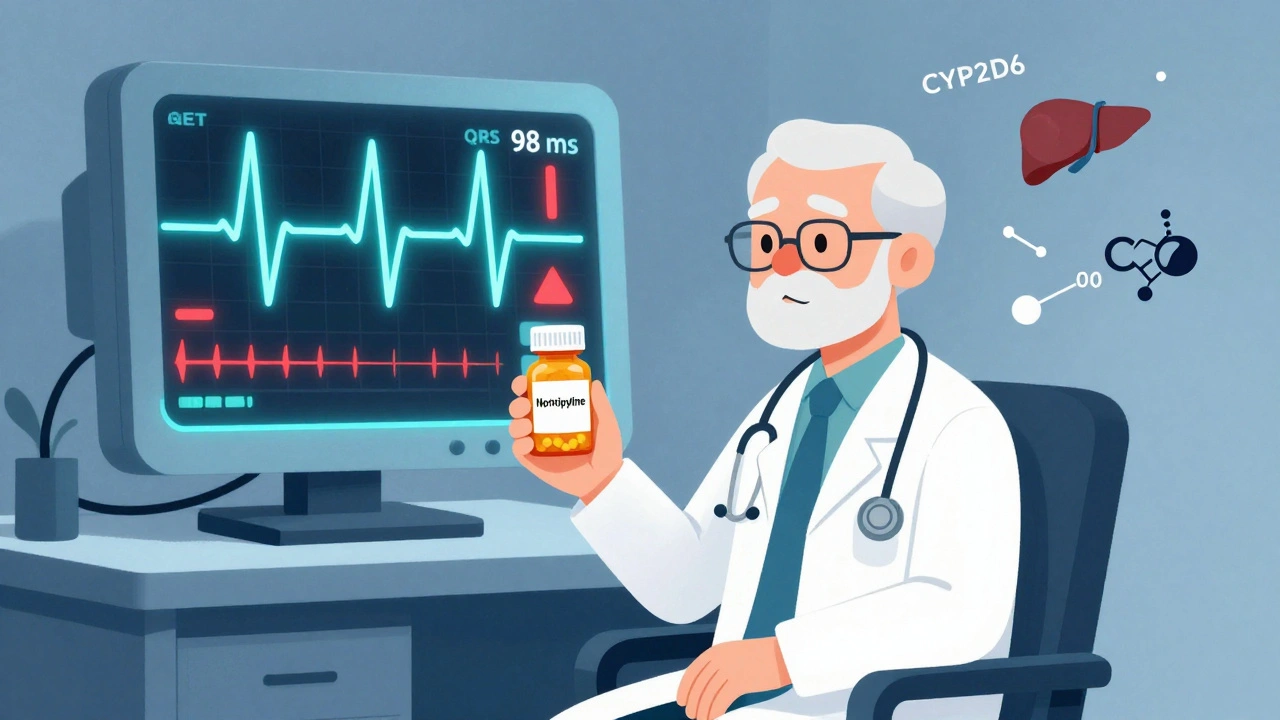
Therapeutic Drug Monitoring for Tricyclic Antidepressants: How to Prevent Deadly Toxicity
Therapeutic drug monitoring for tricyclic antidepressants prevents deadly toxicity by tracking blood levels, identifying dangerous interactions, and adjusting doses before heart or brain damage occurs. Essential for elderly patients and those on multiple medications.
View More