TCA Toxicity: Symptoms, Risks, and What to Do in an Emergency
When someone takes too much of a tricyclic antidepressant, a class of older antidepressants that affect brain chemicals like serotonin and norepinephrine. Also known as TCA, these drugs include amitriptyline, nortriptyline, and imipramine—once common for depression but now used less due to their narrow safety margin. TCA toxicity isn’t just about feeling sick. It’s a medical emergency that can shut down your heart, trigger seizures, or stop your breathing—all within hours.
What makes TCA toxicity, a dangerous reaction caused by excessive levels of tricyclic antidepressants in the bloodstream. Also known as tricyclic overdose, it often results from accidental misuse or intentional overdose. so dangerous is how it hits multiple systems at once. It blocks sodium channels in heart muscle, which can lead to cardiac arrhythmia, an irregular heartbeat that can become fatal without quick treatment. Also known as ventricular tachycardia, it’s one of the leading causes of death in TCA overdose cases. It also slows down brain signals, raising the risk of seizures from TCA, uncontrolled electrical activity in the brain triggered by toxic drug levels. Also known as convulsions, these can happen even in people who didn’t take a massive dose.. You might not feel like you’re in danger until your heart starts racing, your vision blurs, or your muscles lock up. And because these drugs are still prescribed, especially for chronic pain or insomnia, people don’t always realize how risky they can be.
There’s no home fix for TCA toxicity. If you or someone else shows signs—confusion, dry mouth, dilated pupils, fast heartbeat, or seizures—you need emergency care now. Hospitals use sodium bicarbonate to stabilize the heart, benzodiazepines to stop seizures, and activated charcoal if it’s early enough. The key is speed. The sooner treatment starts, the better the chance of survival. And because many people mix TCAs with alcohol or other meds—like opioids or benzodiazepines—the risk multiplies fast.
Below, you’ll find real-world guides on how to spot the early signs of drug toxicity, how to read prescription warnings that could save your life, and what to do when a medication you’ve been taking turns dangerous. These aren’t theoretical articles. They’re written by people who’ve seen the aftermath—and want to help you avoid it.
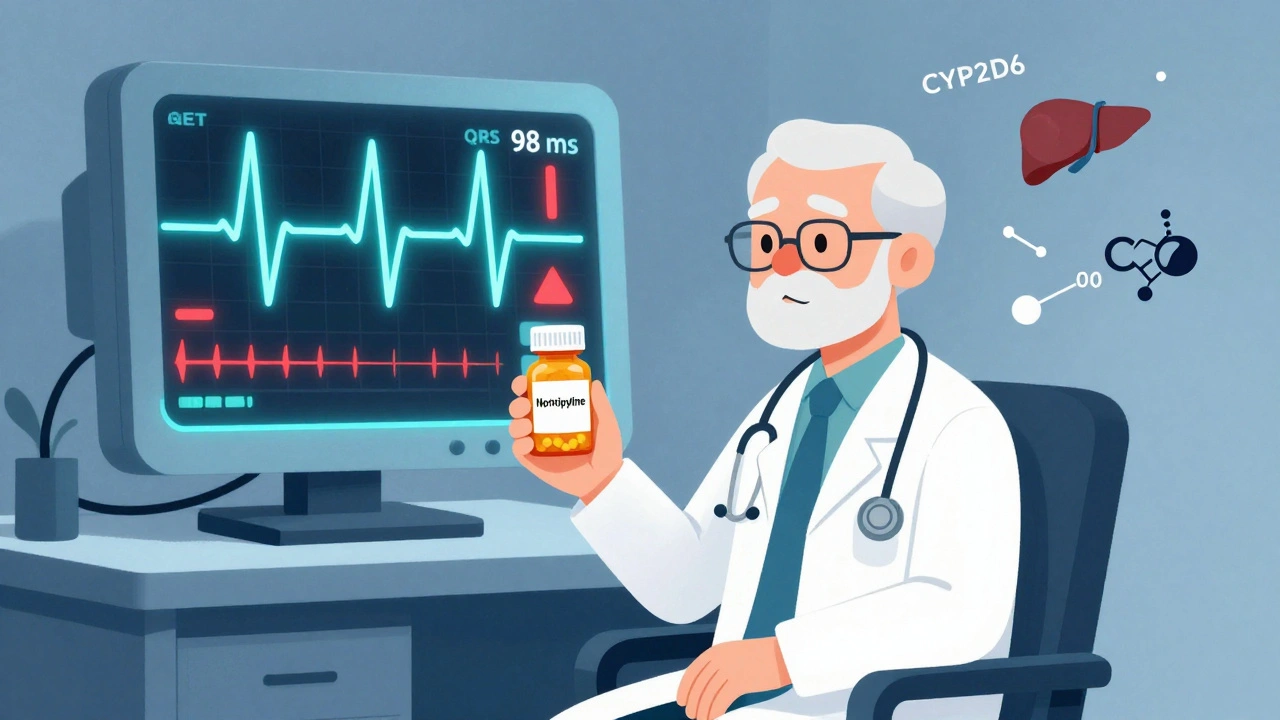
Therapeutic Drug Monitoring for Tricyclic Antidepressants: How to Prevent Deadly Toxicity
Therapeutic drug monitoring for tricyclic antidepressants prevents deadly toxicity by tracking blood levels, identifying dangerous interactions, and adjusting doses before heart or brain damage occurs. Essential for elderly patients and those on multiple medications.
View More