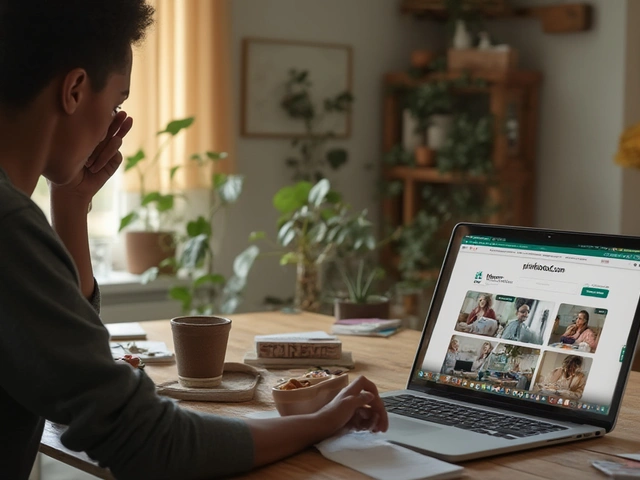
Stigma in Healthcare: How Bias Affects Medication Use and Patient Care
When you hear the word stigma, a negative stereotype that leads to shame, discrimination, or silence around health conditions or treatments. Also known as social judgment, it doesn’t just live in old movies—it’s in doctor’s offices, pharmacies, and the quiet guilt people feel when they refill a prescription for antidepressants, methadone, or even insulin. Stigma isn’t just about calling someone weak. It’s the pharmacist who hesitates before handing over naloxone. It’s the friend who says, "You don’t really need that pill," when someone takes bupropion for depression. It’s the patient who skips doses because they’re afraid their coworkers will find out they’re on HIV meds.
Stigma connects directly to the medications people actually use. Take generic drugs, lower-cost versions of brand-name medications that are just as safe and effective. Also known as biosimilars or off-patent meds, they’re often avoided not because they don’t work—but because people think they’re "cheap" or "inferior," a belief shaped by marketing and misinformation. That’s why keeping a medication journal, a personal log tracking how your body reacts to drugs over time. Also known as treatment diary, it’s a powerful tool for patients who’ve been told their symptoms are "all in their head." Writing down real effects—like weight gain from SSRIs or sleep changes from prazosin—gives you proof when others doubt you. Stigma makes people hide their用药. It makes them avoid asking about alternatives to Soolantra or Voveran SR because they’re embarrassed. It stops people from advocating for atazanavir or switching levothyroxine brands because they fear being judged for "chasing cheaper pills."
And it’s not just about drugs. mental health stigma, the societal shame attached to depression, anxiety, PTSD, or addiction. Also known as psychiatric bias, it’s why someone on SSRIs might feel guilty for needing help, or why a veteran with PTSD avoids prazosin because they don’t want to be labeled "broken." Studies show people with mental health conditions are more likely to skip medications, delay care, or avoid treatment entirely because of fear—fear of being seen as weak, unstable, or dangerous. That fear isn’t irrational—it’s learned. From TV shows. From jokes. From well-meaning but wrong advice like "just snap out of it."
The real cost of stigma? Lives. Delayed treatment. Worsening conditions. People die because they won’t fill a prescription for bupropion because they’re ashamed. Others overdose because they’re too scared to carry naloxone. Stigma turns medicine into something secret, something shameful, something you have to hide. But it doesn’t have to be this way. The posts below show real cases—how people track their meds, compare alternatives, and push back against bias. They’re not just about drugs. They’re about dignity. About speaking up. About taking back control when the system tries to silence you.
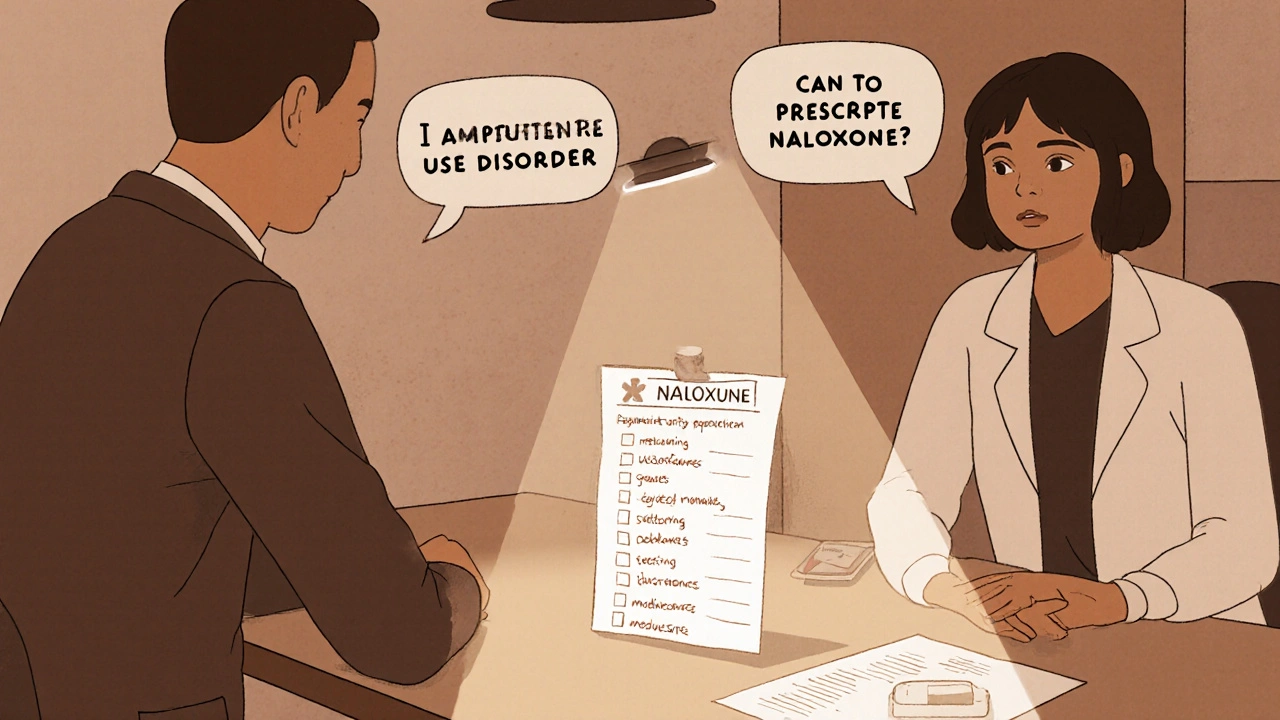
How to Talk to Your Doctor About Overdose Risk Without Being Judged
Learn how to talk to your doctor about overdose risk using clear, evidence-based language that reduces stigma and increases your chances of getting life-saving help like naloxone.
View More