Statins and Amiodarone: Risks, Interactions, and What You Need to Know
When you take statins, a class of medications used to lower LDL cholesterol and reduce heart disease risk. Also known as HMG-CoA reductase inhibitors, they’re among the most prescribed drugs in the world. Many people also take amiodarone, an antiarrhythmic drug used to treat irregular heartbeats like atrial fibrillation. Also known as Cordarone, it’s powerful but has a long list of potential side effects. The problem? When you combine these two, your body doesn’t handle them the same way. This isn’t just a minor warning—it’s a real risk that can lead to serious muscle damage, liver stress, or even life-threatening heart rhythms.
Statins like atorvastatin, simvastatin, and rosuvastatin work by blocking a liver enzyme that makes cholesterol. Amiodarone, on the other hand, slows down how fast your liver breaks down many drugs—including statins. That means if you take both, the statin builds up in your blood. Higher levels = higher chance of rhabdomyolysis, a condition where muscle tissue breaks down and floods your kidneys with toxic proteins. Studies show the risk spikes when simvastatin is taken with amiodarone, especially at doses over 20 mg. Even low-dose statins can become dangerous when mixed with amiodarone. Your doctor might switch you to pravastatin or fluvastatin, which are less likely to interact. But even then, you still need regular blood tests to check liver enzymes and muscle damage markers like CK.
It’s not just about muscles. Amiodarone can also affect your thyroid, lungs, and nerves—and statins aren’t innocent either. They’ve been linked to increased diabetes risk and memory issues in some people. When both drugs are in play, you’re managing multiple systems at once. That’s why tracking symptoms matters: unexplained muscle pain, dark urine, extreme fatigue, or sudden shortness of breath aren’t just side effects—they’re red flags. If you’ve been on both meds for months without issues, don’t assume you’re safe. Amiodarone sticks in your fat tissue for months after you stop taking it. That means the interaction risk doesn’t vanish when you quit the drug.
Some people get lucky and tolerate the combo fine. Others don’t. There’s no one-size-fits-all answer. What matters is knowing your numbers, asking your pharmacist to run a drug interaction check every time your script changes, and never ignoring symptoms just because "you’ve been fine so far." Below, you’ll find real comparisons, case-based advice, and clear guidance on what to ask your doctor, what tests to request, and which alternatives might work better for your situation.
Heart Medications and Their Dangerous Combinations: What to Avoid
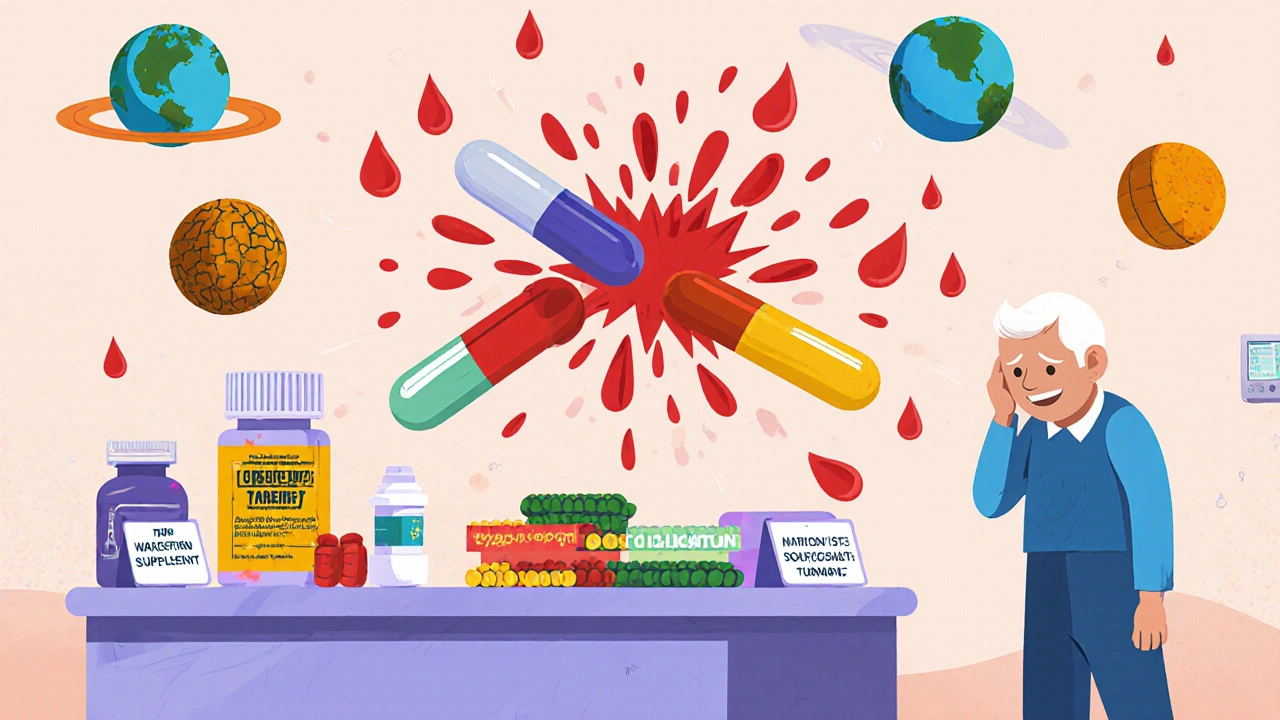
Heart medications can save lives-but dangerous combinations with NSAIDs, blood thinners, or supplements can cause bleeding, heart failure, or death. Learn the top 7 risky combos and how to stay safe.
View MorePopular Posts


Top Alternatives to North Drugstore in 2025
18 Mar 2025