State Pharmacy Boards: What They Do and How They Affect Your Medications
When you pick up a prescription, you might not think about who makes sure the pill you’re holding is safe, legal, and correctly labeled. That’s where state pharmacy boards, government agencies that regulate pharmacies and pharmacists within each U.S. state. Also known as boards of pharmacy, they’re the ones who decide who can legally dispense drugs, what records must be kept, and when a pharmacy crosses the line. These boards aren’t just paperwork machines—they’re the frontline defense against counterfeit drugs, incorrect dosing, and pharmacist misconduct.
Every pharmacist in the U.S. must be licensed by their state board, and those licenses aren’t permanent. Boards require continuing education, background checks, and sometimes random audits to make sure pharmacists stay sharp. They also handle complaints. If a pharmacy gives you the wrong medicine, refuses to fill a valid script, or pushes unnecessary supplements, you can report it directly to your state board. They investigate, fine, suspend, or even revoke licenses when needed. And they don’t just watch pharmacists—they oversee drug storage, controlled substance tracking, and even how telepharmacy services operate. In states with tight oversight, you’ll find fewer errors and more accountability.
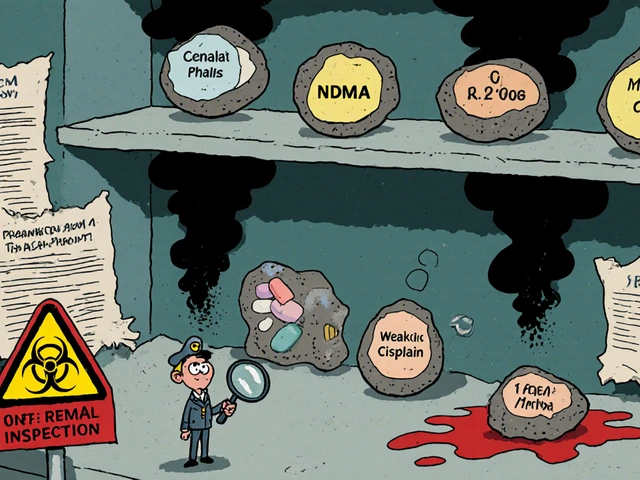
State pharmacy boards also work with the FDA and DEA, but they have real power on the ground. For example, if a batch of generic blood pressure pills gets contaminated with NDMA, it’s often the state board that orders local pharmacies to pull them off shelves before the FDA even issues a nationwide alert. They’re the ones who notify patients, track which prescriptions were filled, and coordinate with doctors to switch meds safely. And when new rules come out—like requiring pharmacists to check for dangerous drug interactions before dispensing—these boards make sure the changes actually happen in your local pharmacy, not just on paper.
What you’ll find in the posts below are real stories and facts about how these rules touch your life: how drug labeling safety checks tie into board requirements, why some generic meds get recalled while others don’t, how pharmacist training standards affect your care, and what happens when a pharmacy gets caught cutting corners. You’ll see how medication logs, label checks, and even interpreter services at the pharmacy aren’t just good practices—they’re often required by state pharmacy boards. This isn’t bureaucracy. It’s your safety net.
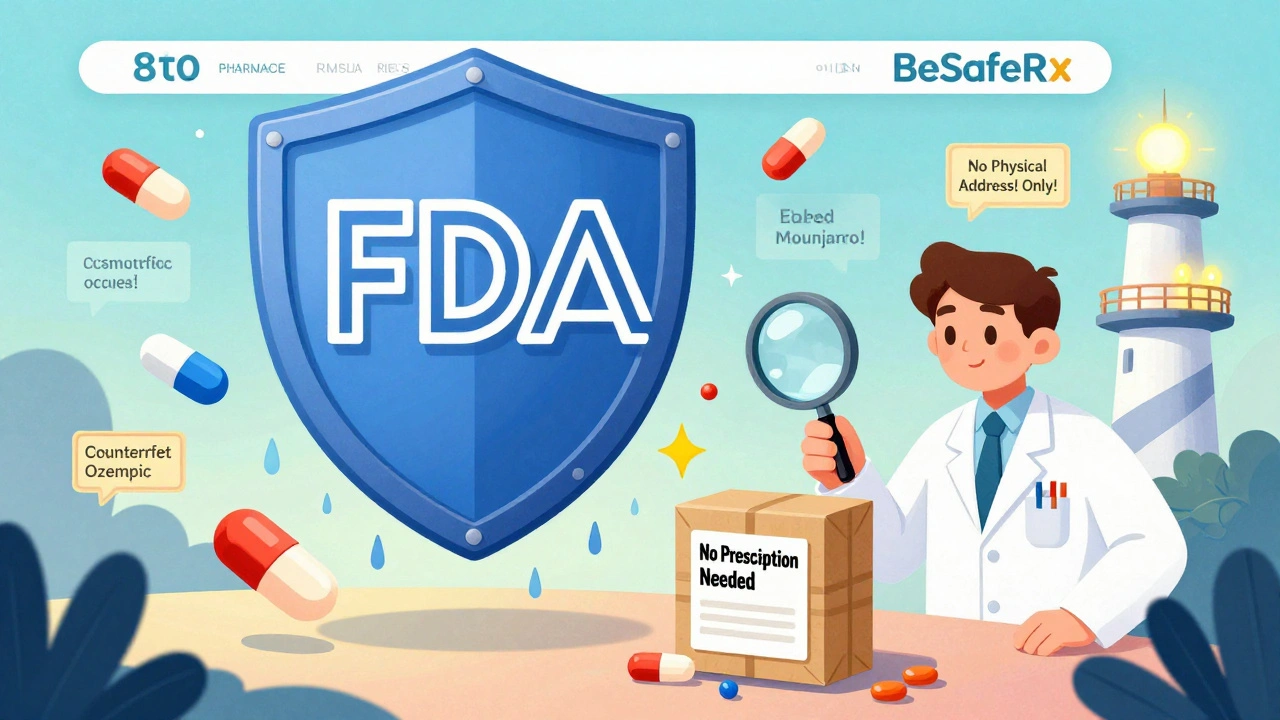
Regulatory Oversight of Online Pharmacies: How FDA and State Boards Protect You
Learn how the FDA and state pharmacy boards work together to regulate online pharmacies, protect patients from fake drugs, and enforce rules on telemedicine prescriptions. Know what to look for - and what to avoid.
View MorePopular Posts