
Probiotic Strains: What They Are, How They Work, and Which Ones Actually Help
When you hear "probiotic," you might think of yogurt or supplements promising better digestion. But probiotic strains, specific types of live bacteria and yeasts that provide health benefits when consumed. Also known as beneficial bacteria, they don't all do the same thing—some help with diarrhea, others support immune function or even improve mood. Think of them like tools in a toolbox: a hammer doesn’t fix a leaky faucet, and Lactobacillus rhamnosus won’t fix what Bifidobacterium longum can.
The most common probiotic strains you’ll see on labels are Lactobacillus, a genus of bacteria often found in fermented foods and the human gut, known for aiding digestion and reducing antibiotic-associated diarrhea and Bifidobacterium, a group of bacteria that live in the colon and help break down fiber, support immune balance, and may reduce bloating. But there are hundreds of strains within these groups, and each has unique effects. For example, Lactobacillus acidophilus NCFM is studied for lactose digestion, while Bifidobacterium infantis 35624 is linked to relief in irritable bowel syndrome. Mixing them up won’t give you the results you want.
It’s not just about what’s in the bottle—it’s about whether the strain survives stomach acid, sticks to your gut lining, and actually does what the label claims. Many supplements fail at this. The ones that work are backed by clinical trials, not marketing buzz. You’ll find posts here that dig into real-world data: how certain strains affect heart health, why some don’t help with yeast infections, and which ones are worth the extra cost. You’ll also see how probiotics interact with antibiotics, how they influence inflammation, and why your gut bacteria might be why your meds aren’t working as expected.
What you won’t find here is fluff. No "boost your immunity!" promises without evidence. Just clear, practical info based on what studies and patient experiences show. Whether you’re dealing with bloating after antibiotics, struggling with seasonal allergies, or just curious why your doctor mentioned probiotics, this collection gives you the facts you need to pick the right ones—without guessing.
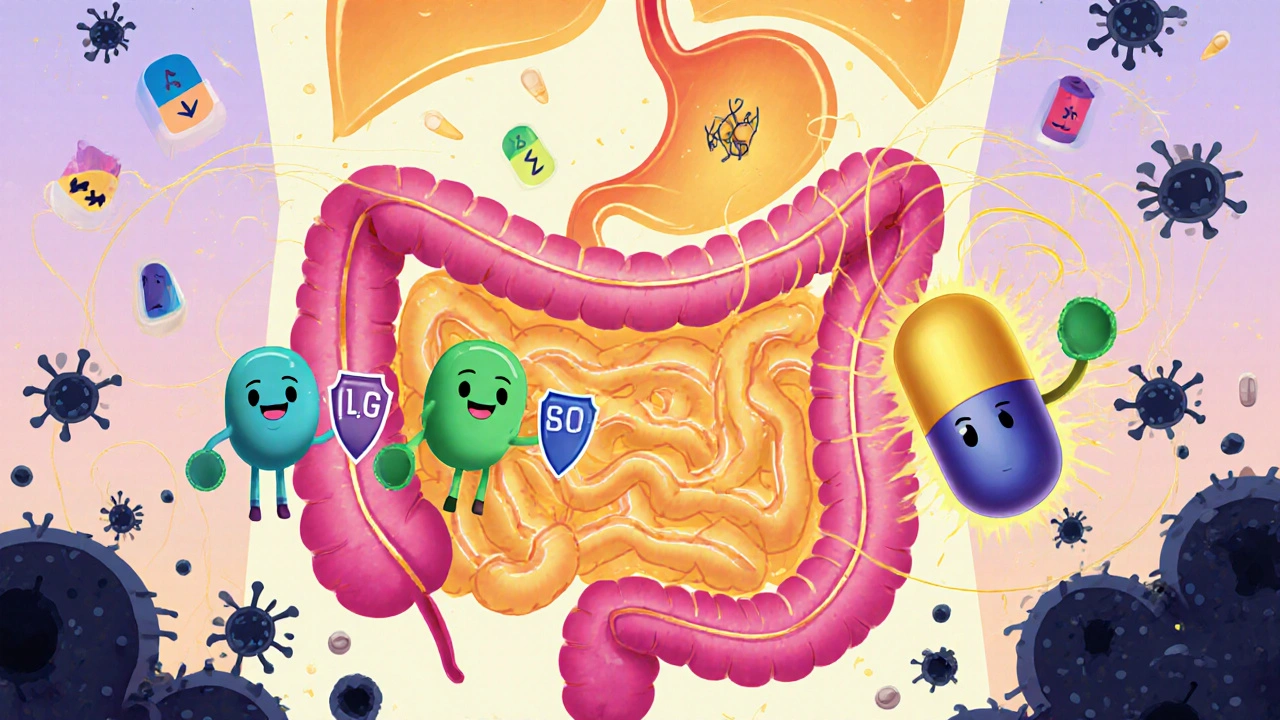
Probiotics During Antibiotic Therapy: How to Reduce GI Side Effects
Probiotics can reduce antibiotic-related diarrhea by up to 70% when taken correctly. Learn which strains work, how to time them, and what to avoid for safer gut health during antibiotic treatment.
View More