Pricing Pressure in Generic Drugs: What It Means for Your Medication Costs
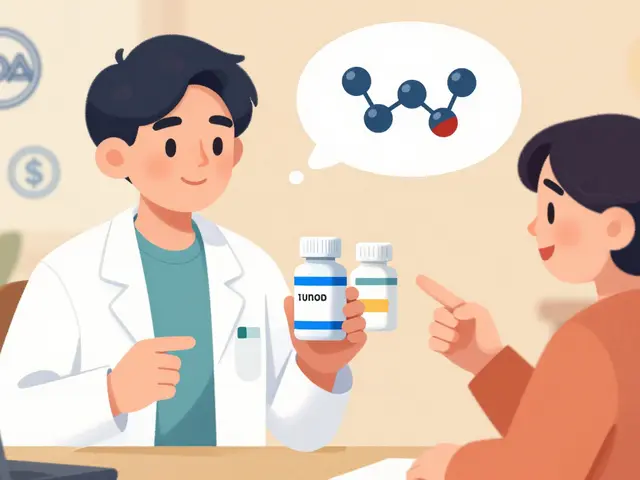
When you hear pricing pressure, the financial force that pushes drug makers to lower costs to stay competitive. Also known as cost-driven manufacturing, it’s the reason some generic pills cost pennies—but also why some patients report unexpected side effects after switching brands. This isn’t just about corporate profits. It’s about whether your blood pressure pill, thyroid med, or antibiotic works the same way today as it did last month.
Generic drugs, lower-cost versions of brand-name medications approved by the FDA. Also known as off-patent drugs, they make up over 90% of prescriptions in the U.S. But under intense pricing pressure, manufacturers cut corners: sourcing raw materials from distant suppliers, reducing quality checks, or skipping stability testing. Recent recalls of generic heart meds and generic levothyroxine due to contaminants like NDMA and benzene aren’t accidents—they’re symptoms of a system stretched too thin.
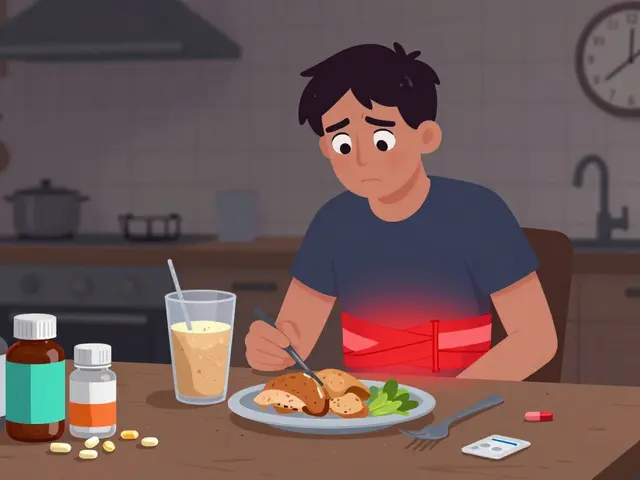
It’s not all bad. Many generics work just fine. But if you’re on a narrow therapeutic index drug—like warfarin, phenytoin, or levothyroxine—small changes in formulation can throw your whole treatment off. That’s why keeping a medication journal matters. Track how you feel after each refill. Did your energy drop? Did your blood pressure spike? That’s not just coincidence. It’s data your doctor needs.
And here’s the thing: pricing pressure doesn’t just affect pills. It shapes access. When pharmacies switch to the cheapest generic available without telling you, you might end up with a version that causes more side effects—or doesn’t work at all. That’s why knowing your rights to language services, asking about alternatives like cardiovascular generics, or pushing back when your prescription changes isn’t being difficult. It’s being smart.
Below, you’ll find real-world stories from people who’ve been caught in this system. Some found dangerous interactions between their meds and grapefruit. Others discovered their generic antidepressant made them anxious instead of calm. One patient’s thyroid levels swung wildly after a brand switch—and no one told her to get tested. These aren’t rare cases. They’re the quiet cost of cheap medicine.
Pricing Pressure and Shortages: How Drug Manufacturers Are Struggling in 2025
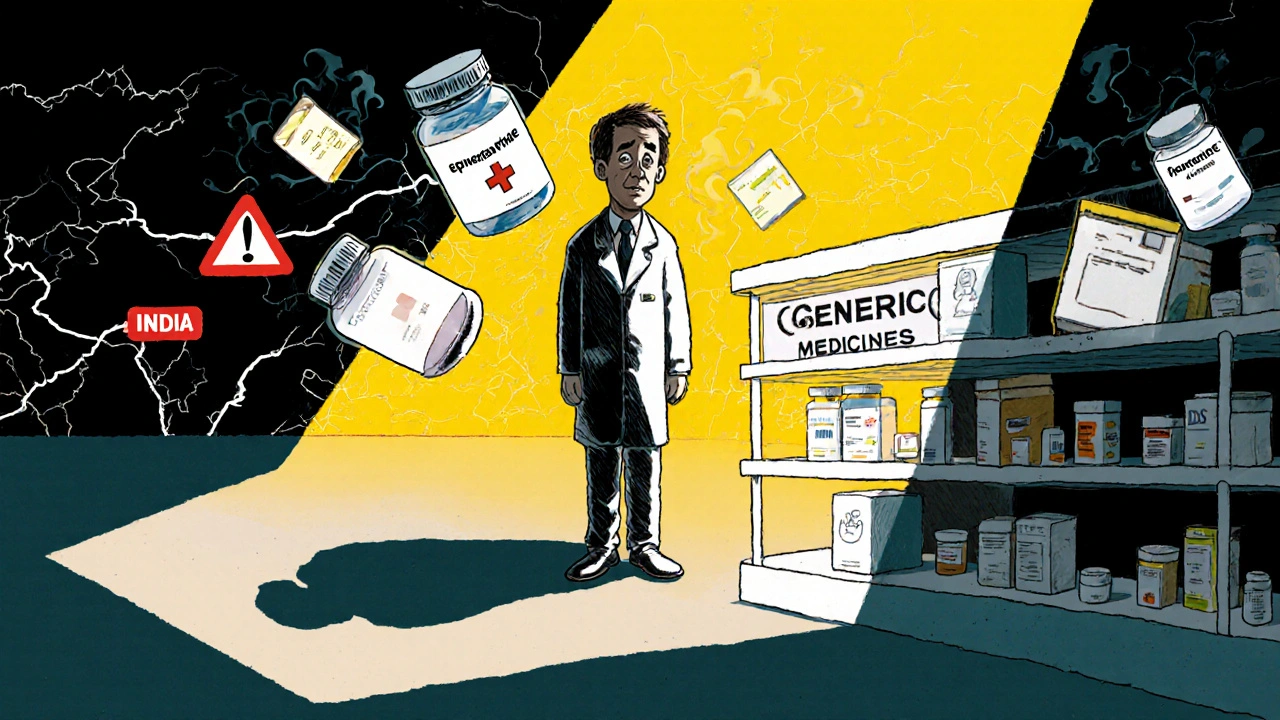
Drug manufacturers are facing financial strain from rising raw material costs, tariffs, and supply chain disruptions, leading to widespread shortages of generic medications in 2025. Patients and providers are feeling the impact as profits shrink and production drops.
View More