Pharmaceuticals: What They Are, How They Work, and What You Need to Know
When you take a pill for high blood pressure, an antibiotic for an infection, or a thyroid tablet every morning, you’re using pharmaceuticals, medications designed to treat, prevent, or manage diseases by changing how your body functions. Also known as drugs, they’re not just chemical formulas—they’re tools that can save your life or, if misused, hurt you. Whether it’s a brand-name heart med or a cheap generic version from a different factory, what’s inside matters more than the label.
Not all generic drugs, lower-cost versions of brand-name medications that must meet the same FDA standards for effectiveness and safety. Also known as non-brand medications, they are the same. Some work perfectly. Others trigger side effects because of tiny differences in fillers, absorption rates, or manufacturing quality. That’s why people keeping a medication journal, a personal record of how your body reacts to each drug, especially when switching between brands or generics. Also known as drug tracker, it can catch problems before they turn dangerous. And it’s not just about generics—drug interactions, harmful reactions that happen when two or more medications, foods, or supplements interfere with each other’s effects. Also known as medication conflicts, they can turn a safe dose into a medical emergency. Grapefruit with blood pressure meds? That’s one. Warfarin with ibuprofen? That’s another. These aren’t rare accidents—they happen every day.
Then there’s medication safety, the practice of ensuring drugs are used correctly, with minimal risk of harm from errors, contamination, or side effects. Also known as drug safety, it isn’t just the doctor’s job. It’s yours too. Recent recalls of generics tainted with NDMA or benzene show that quality control isn’t perfect. Some people get seizures from bupropion. Others bleed harder on SSRIs. Antibiotics wreck your gut unless you take the right probiotics at the right time. And if you’re on levothyroxine, switching brands without checking your TSH could leave you tired, shaky, or worse.
What you’ll find below isn’t theory. It’s real-world advice from people who’ve been there: how to tell impetigo from cellulitis and pick the right antibiotic, why your beta-blockers make you exhausted during workouts, how to talk to your doctor about overdose risk without shame, and what to do when your generic heart med doesn’t feel the same. These aren’t abstract concepts—they’re daily decisions that affect your health. And you deserve clear, no-nonsense answers.
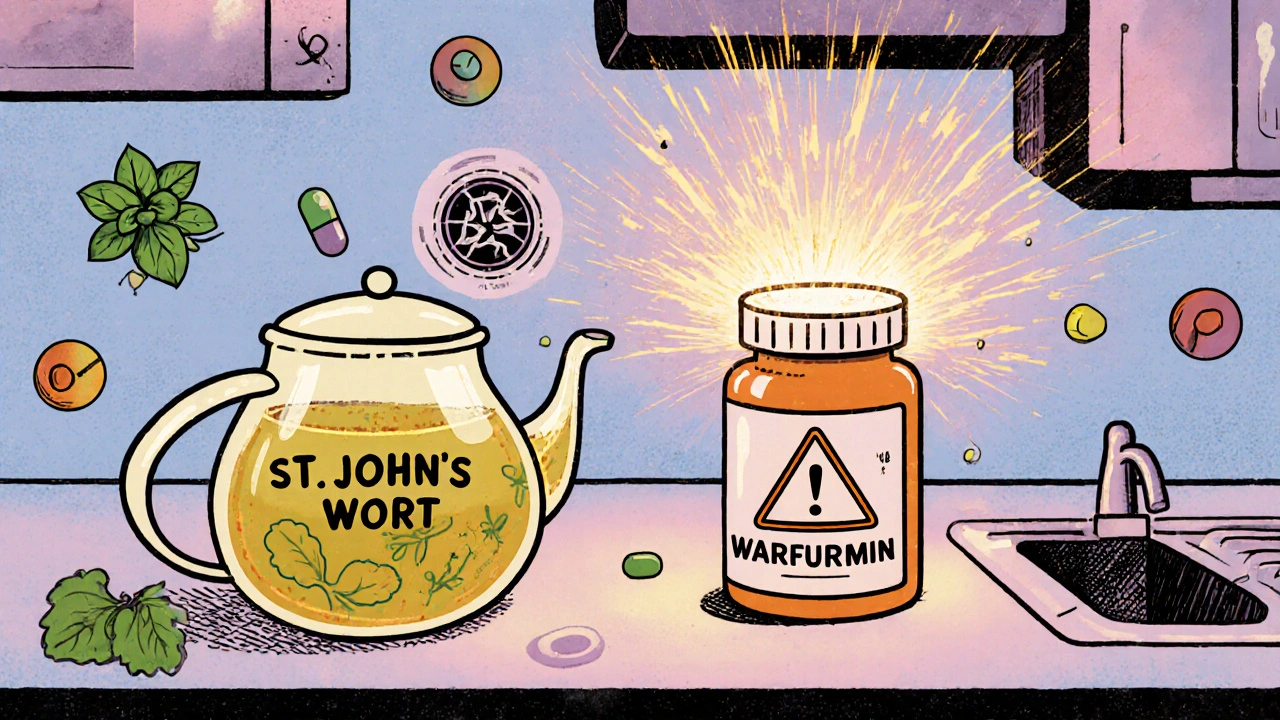
Are Natural Products Safer Than Pharmaceuticals? The Real Risks of Supplement Interactions
Natural doesn't mean safe. Many herbal supplements interact dangerously with prescription drugs, yet most people don't realize it. Learn the real risks behind supplement interactions and how to protect your health.
View More