Permanent Deafness: Causes, Risks, and Medications That Can Lead to Hearing Loss
When permanent deafness, a lasting loss of hearing that cannot be restored through medical or surgical means. Also known as irreversible hearing loss, it often develops slowly and may go unnoticed until daily communication becomes difficult. Unlike temporary hearing issues from earwax or infections, permanent deafness means the inner ear’s hair cells or auditory nerve are damaged beyond repair. These cells don’t regenerate, so once they’re gone, the hearing is gone for good.
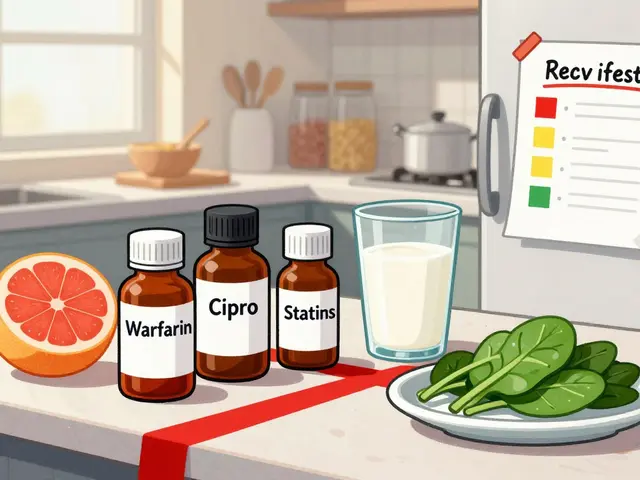
This isn’t just about aging or loud concerts. Some of the most common causes of permanent deafness come from everyday medications. ototoxic drugs, medications that damage the inner ear or auditory nerve include certain antibiotics like gentamicin, chemotherapy agents like cisplatin, and even high doses of aspirin or loop diuretics. These aren’t rare outliers—they’re prescribed widely, and many people don’t realize the risk. The damage can happen fast, or creep in over weeks, often without pain or warning. drug-induced hearing damage, hearing loss caused by exposure to toxic substances in medications is one of the most preventable forms of permanent deafness—if you know what to watch for.
Who’s most at risk? Elderly patients on multiple drugs, people with kidney problems, and those already dealing with hearing loss are more vulnerable. But even healthy adults can be affected. A single course of azithromycin or a round of IV antibiotics for an infection might be all it takes. And while some doctors monitor hearing during treatment, many don’t. That’s why knowing the signs matters: ringing in the ears, trouble understanding speech in noisy rooms, or feeling like your ears are plugged—these aren’t just annoyances. They could be early warnings.
Permanent deafness doesn’t just change how you hear—it changes how you live. It affects relationships, work, mental health, and safety. You might miss alarms, misunderstand doctors, or withdraw from conversations. The good news? Many cases are avoidable. By asking your pharmacist or doctor about ototoxic risks before starting a new drug, tracking changes in your hearing, and knowing which medications carry the highest danger, you can protect yourself. The posts below show real cases, drug lists, and practical steps to catch hearing damage before it becomes permanent. You won’t find fluff here—just what works, what doesn’t, and who’s most at risk.
Sensorineural Hearing Loss: Causes, Symptoms, and Permanent Hearing Damage
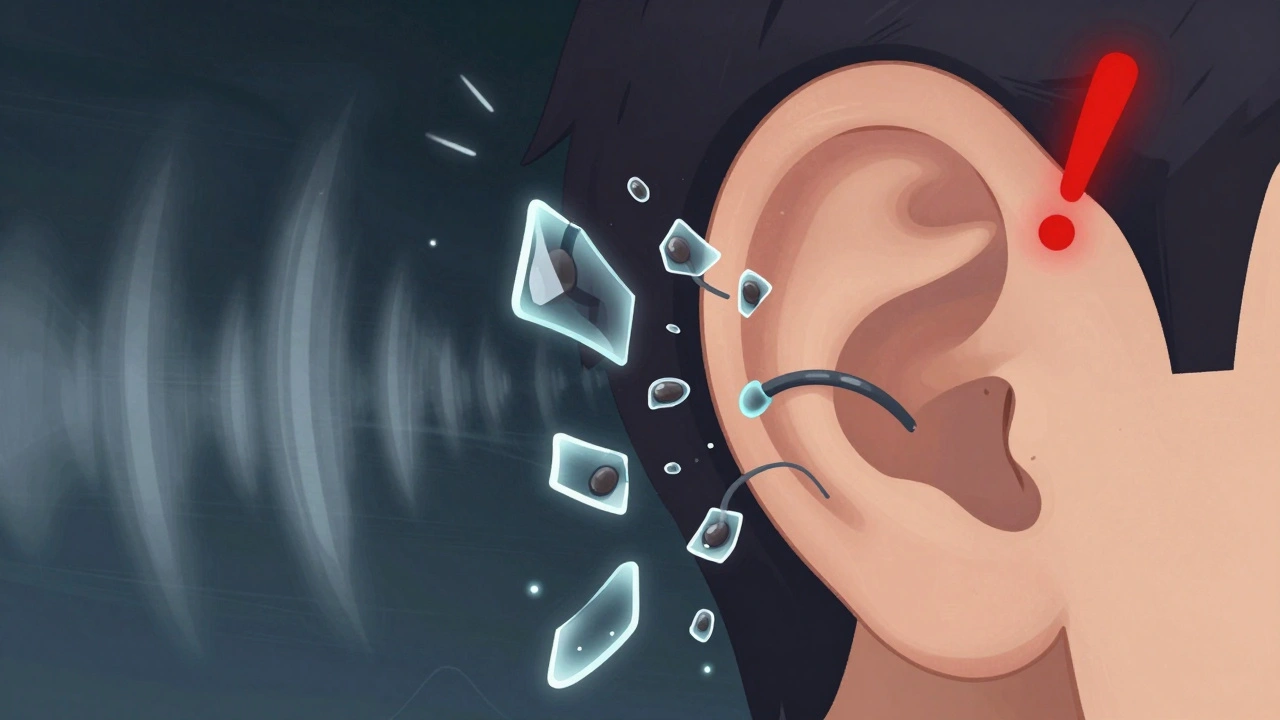
Sensorineural hearing loss is permanent inner ear damage caused by aging, noise, or disease. Learn the causes, symptoms, and real-world solutions like hearing aids and cochlear implants - and why early action matters.
View MorePopular Posts




Nifedipine and Insomnia: Tips for Better Sleep
27 Mar 2025