Natural Products: What They Are, How They Work, and What You Need to Know
When people talk about natural products, substances derived from plants, minerals, or animals used for health benefits. Also known as herbal remedies, they include things like echinacea, turmeric, fish oil, and St. John’s wort. Many assume "natural" means safe—but that’s not true. These products can interact with your prescriptions, cause side effects, or even be contaminated. You might take them to boost immunity, ease joint pain, or sleep better, but without knowing how they work inside your body, you’re guessing.
Herbal supplements, concentrated plant extracts sold as pills, teas, or tinctures. Also known as botanicals, they’re part of the natural products category and show up in dozens of your posts here. For example, probiotics used during antibiotic therapy aren’t just bacteria—they’re a type of natural product that helps your gut. Same with vitamin C in Limcee tablets. But here’s the catch: just because something comes from a plant doesn’t mean it won’t mess with your heart meds. Grapefruit, a natural product, can make blood pressure drugs like amlodipine dangerously strong. And if you’re on levothyroxine, certain herbal blends can block absorption, making your thyroid treatment useless.
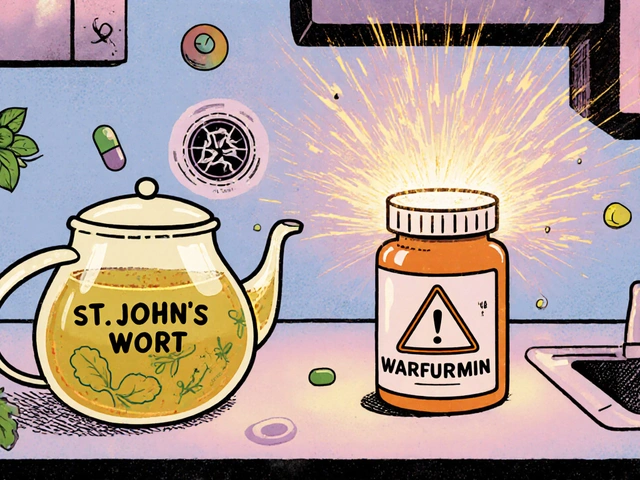
Drug interactions, when natural products change how prescription drugs work in your body. Also known as herb-drug interactions, they’re one of the biggest hidden risks in health today. SSRIs can increase bleeding risk—and so can garlic supplements. Prazosin for PTSD? Black cohosh might make it less effective. Even something as simple as a daily ginger tea can thin your blood, which becomes a problem if you’re on warfarin. These aren’t rare cases. Real patients have ended up in the ER because they didn’t know their turmeric capsule was adding to their blood thinner’s effect.
And then there’s quality. Not all natural products are created equal. Recent recalls have found dangerous contaminants like NDMA and benzene in generic drugs—but those same issues show up in supplements too. One study found nearly half of herbal products didn’t contain the herb listed on the label. Some had heavy metals. Others had hidden pharmaceuticals. If you’re buying something labeled "natural," you’re trusting a system with little oversight. That’s why keeping a medication journal helps. Write down what you take, when, and how you feel. It’s the only way to spot if that "natural" remedy is helping—or hurting.
You’ll find posts here that break down exactly how natural products behave with real medications. From probiotics reducing antibiotic diarrhea to vitamin C comparisons, these aren’t theoretical discussions. They’re based on what patients actually experience. Whether you’re using ginger for nausea, melatonin for sleep, or fish oil for inflammation, you need to know the risks. Natural doesn’t mean harmless. And in medicine, ignorance isn’t bliss—it’s dangerous. Below, you’ll see real cases, real comparisons, and real advice on how to use these products without putting your health at risk.
Dietary Supplements and Natural Products: How to Fully Disclose Them to Your Care Team
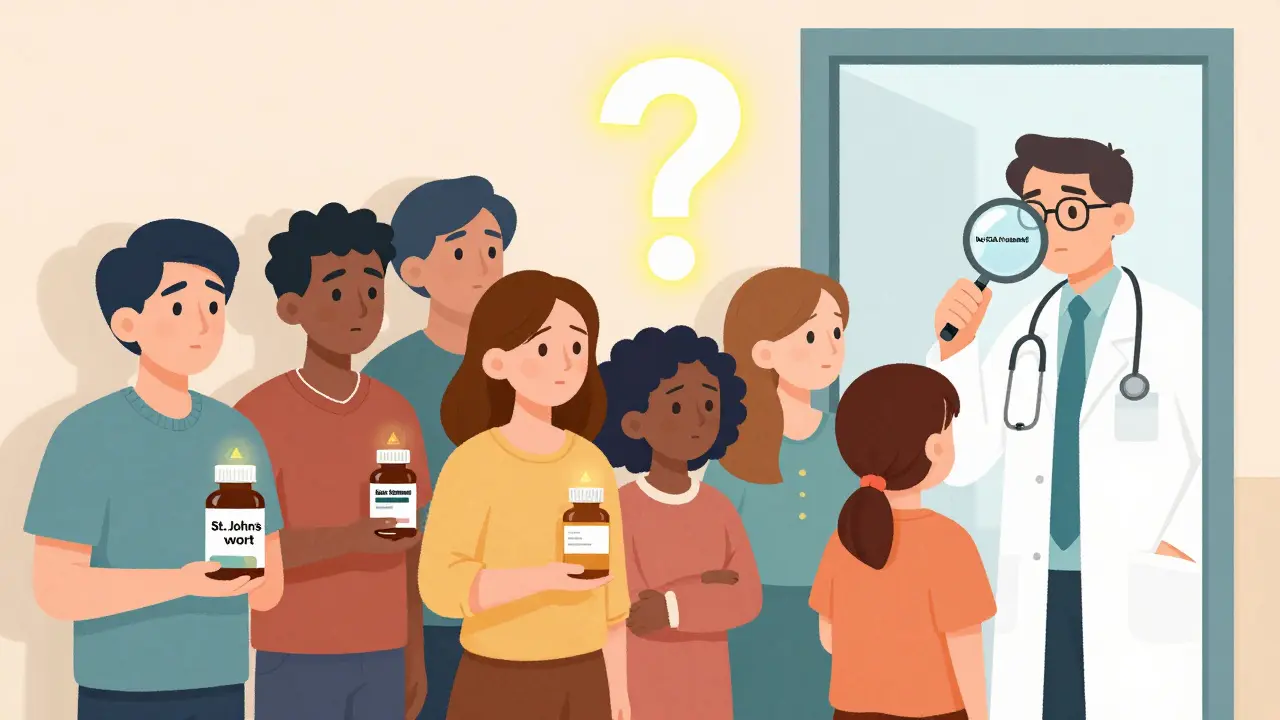
Most people don't tell their doctors about supplements-but that's dangerous. Learn which natural products interact with medications, why disclosure matters, and how to talk to your care team safely.
View More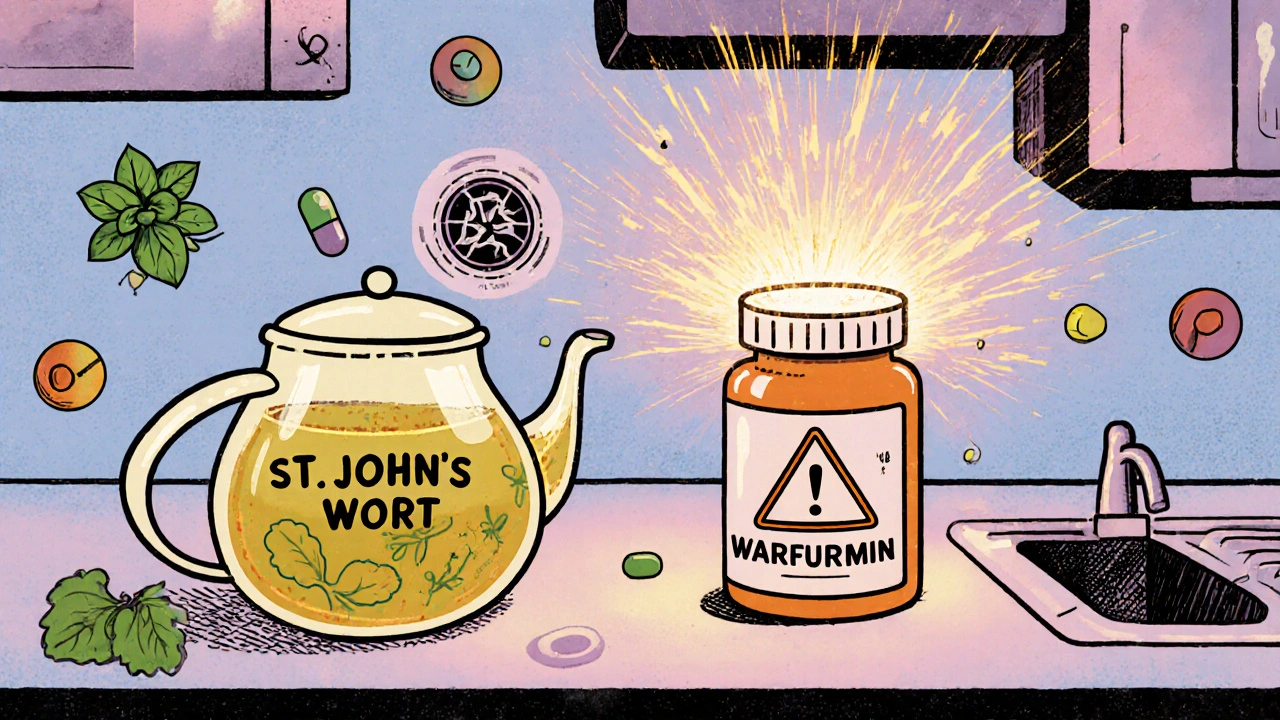
Are Natural Products Safer Than Pharmaceuticals? The Real Risks of Supplement Interactions
Natural doesn't mean safe. Many herbal supplements interact dangerously with prescription drugs, yet most people don't realize it. Learn the real risks behind supplement interactions and how to protect your health.
View MorePopular Posts