Narrow Therapeutic Index: What It Means and Why It Matters for Your Medications
When a drug has a narrow therapeutic index, a small difference between the dose that works and the dose that causes harm. Also known as NTI drugs, these medications require precise dosing—too little and they don’t work, too much and they can hurt you. This isn’t just a technical term; it’s a real-life safety issue. Think of it like walking a tightrope: one step too far in either direction, and you’re in trouble.
Common NTI drugs, medications with a very small margin between safe and toxic levels include levothyroxine, warfarin, phenytoin, and digoxin. These aren’t rare or experimental—they’re daily meds for millions. Switching generic brands of levothyroxine, for example, can throw your thyroid levels off even if the pill looks identical. That’s why some people need a TSH check six to eight weeks after switching. The same goes for warfarin: a tiny change in blood levels can mean the difference between preventing a clot and causing a bleed. These aren’t theoretical risks—they’re documented in real patient cases.
Why does this matter to you? Because drug interactions, when two or more meds affect each other’s absorption or breakdown can push an NTI drug into dangerous territory. Grapefruit juice, for instance, can spike levels of certain blood pressure drugs like felodipine. Even something as simple as switching from one generic antibiotic to another can change how your body handles a critical med. That’s why contamination in generics—like the NDMA or benzene cases—becomes such a big deal. If the active ingredient isn’t consistent, your NTI drug might suddenly become unsafe.
You don’t need to be a pharmacist to manage this. But you do need to know: if you’re on one of these meds, don’t switch brands without telling your doctor. Don’t start new supplements or over-the-counter drugs without checking for interactions. And if you feel different after a refill—even slightly—say something. These drugs don’t always scream danger. Sometimes they just whisper: something’s off. The posts below cover real cases, comparisons, and practical steps to stay safe when you’re on a narrow therapeutic index drug. You’ll find guides on levothyroxine switches, warfarin risks, phenytoin’s impact on bones, and how to spot dangerous combos before they hurt you.
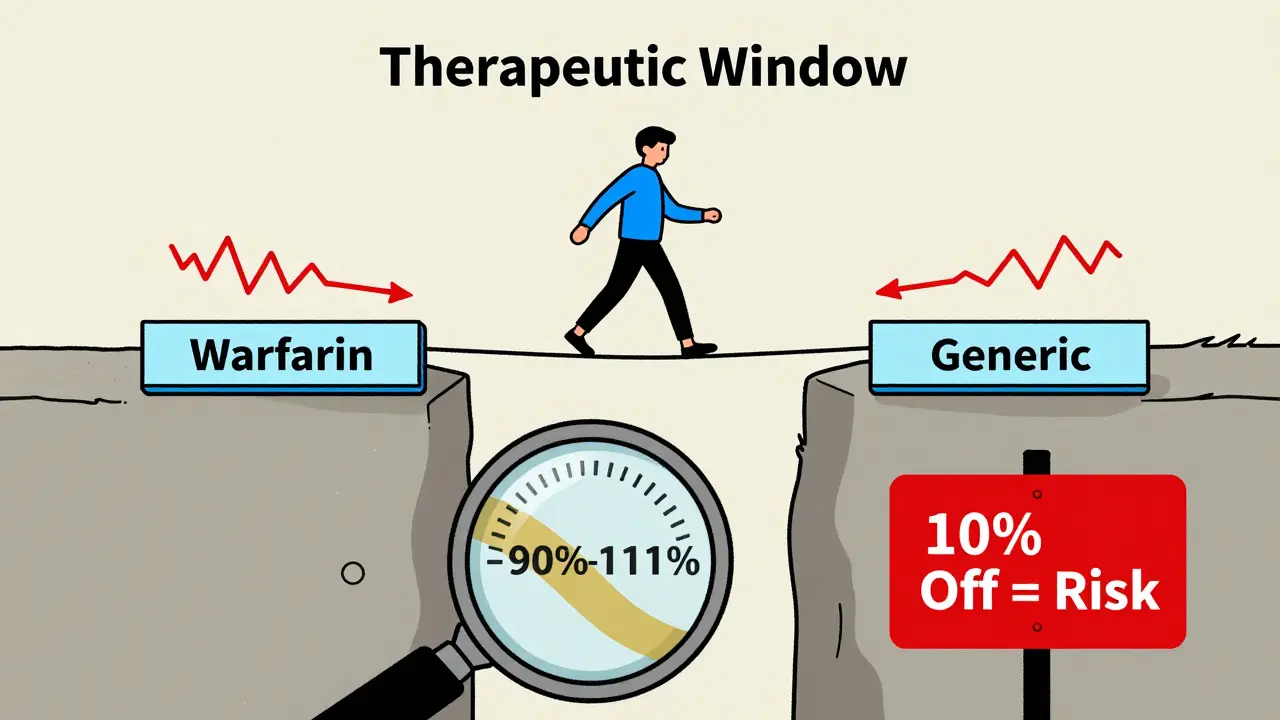
Bridging Studies for NTI Generics: Ensuring Safety and Efficacy
Bridging studies for NTI generics ensure that life-saving generic drugs like warfarin and levothyroxine are as safe and effective as brand versions. These complex, costly studies tighten bioequivalence standards to protect patients from dangerous dosing errors.
View More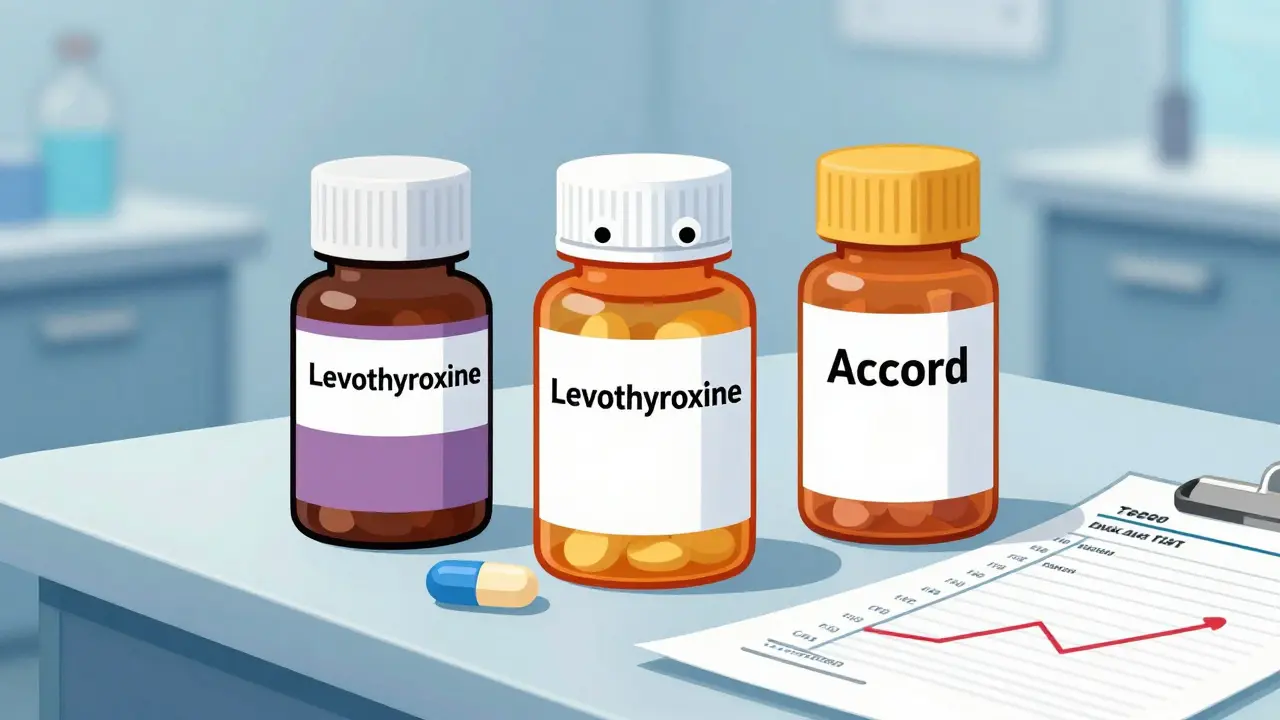
Multiple Manufacturers: NTI Drugs and Switching Between Generics
NTI drugs like warfarin, levothyroxine, and lithium have a narrow safety margin. Switching between generic manufacturers can affect blood levels and cause serious side effects-even when FDA-approved. Learn how to protect yourself.
View More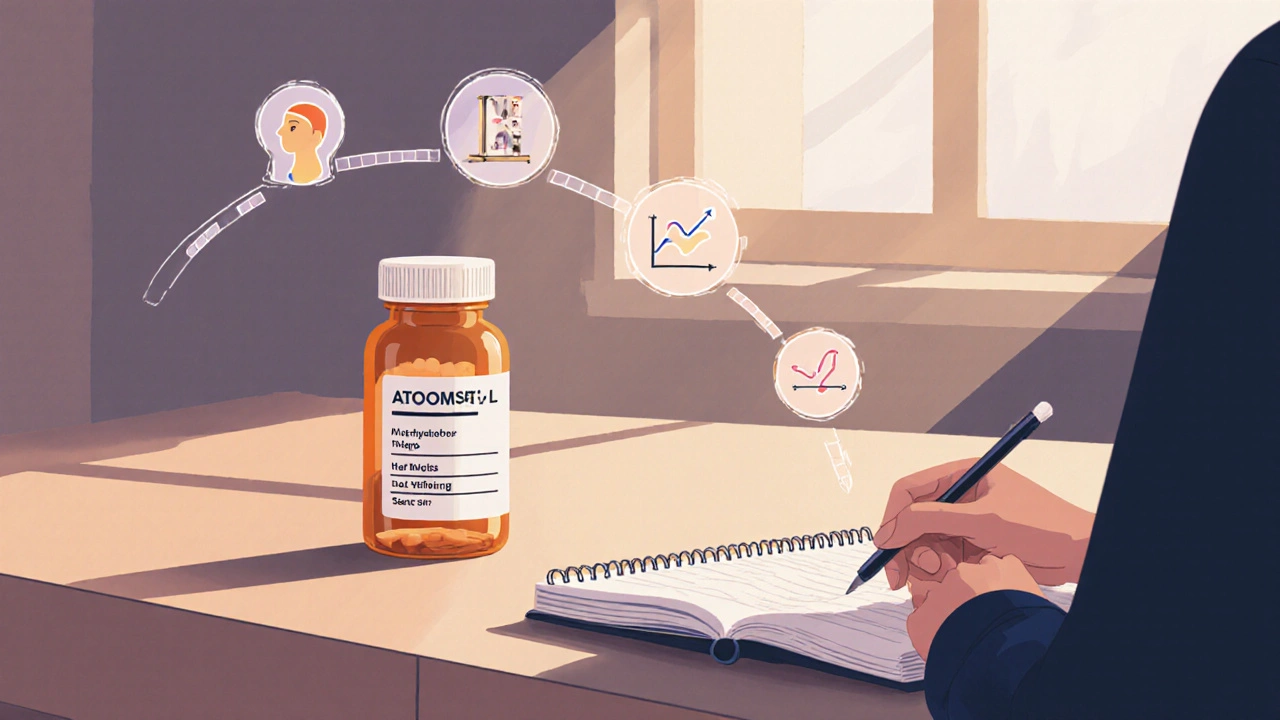
Keeping a Medication Journal: Tracking Your Response to Generic Medications
Keep a medication journal to track how your body responds when switching to generic drugs. Learn what to record, which meds need it most, and how to use your journal with your doctor.
View More