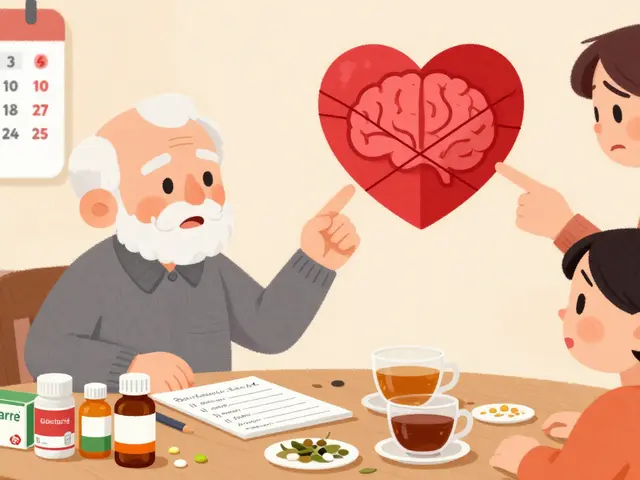
Manufacturer Financial Strain: How Drug Costs, Contamination, and Generic Markets Are Shifting Healthcare
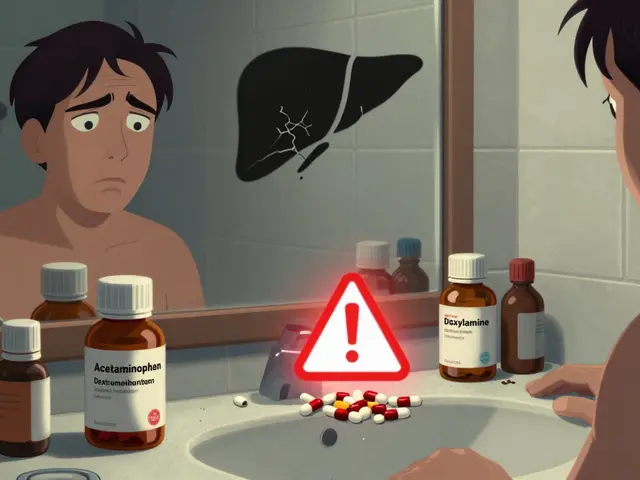
When you pick up a generic pill, you probably think it’s just a cheaper version of the brand-name drug. But behind that low price tag is a system under pressure—manufacturer financial strain, the growing economic pressure on drug makers to cut costs while maintaining safety and supply. This isn’t just a business problem. It’s your problem. When companies are squeezed, they cut corners—and that’s when contaminants like NDMA and benzene show up in your medicine. Recent recalls of generic heart meds, thyroid pills, and even Mucinex aren’t random accidents. They’re symptoms of a broken model.
Generic drugs save the U.S. healthcare system over $300 billion a year. But those savings come at a cost. Many manufacturers operate on razor-thin margins, especially for older, low-cost medications. To stay alive, some skip proper testing, outsource production to underregulated facilities, or delay quality checks. drug contamination, the presence of harmful substances in medications due to poor manufacturing practices has become more common. And when one plant fails, entire batches of generic drugs, lower-cost versions of brand-name medications that must meet FDA standards vanish from shelves. You might switch from one generic to another and notice your blood pressure isn’t as stable, or your thyroid symptoms return. That’s not your imagination. Real-world data shows some generics—especially for heart conditions and thyroid replacement—don’t behave the same as others, even if they’re labeled the same.
The pressure doesn’t stop at quality. pharmaceutical costs, the rising price of medications driven by supply chain issues, regulatory demands, and corporate pricing strategies are climbing even for generics. Why? Because the companies making them can’t afford to keep producing them at low prices. Some stop making certain drugs entirely. Others raise prices just enough to survive. Meanwhile, the demand for generics keeps growing—especially as more people rely on them for chronic conditions. The result? You get fewer choices, longer waits, and riskier products. And when you’re taking a medication every day, that risk adds up.
What you see on the shelf isn’t just a pill. It’s the end of a chain that includes factory workers, inspectors, regulators, and corporate balance sheets. When that chain breaks, you feel it. The posts below show you exactly how this plays out: from contaminated generics and unsafe drug combos to how switching thyroid meds can mess with your TSH levels. You’ll learn how to spot red flags, what to ask your pharmacist, and how to protect yourself when the system is failing. This isn’t about blaming manufacturers—it’s about understanding the real cost behind your prescription, and what you can do to stay safe.
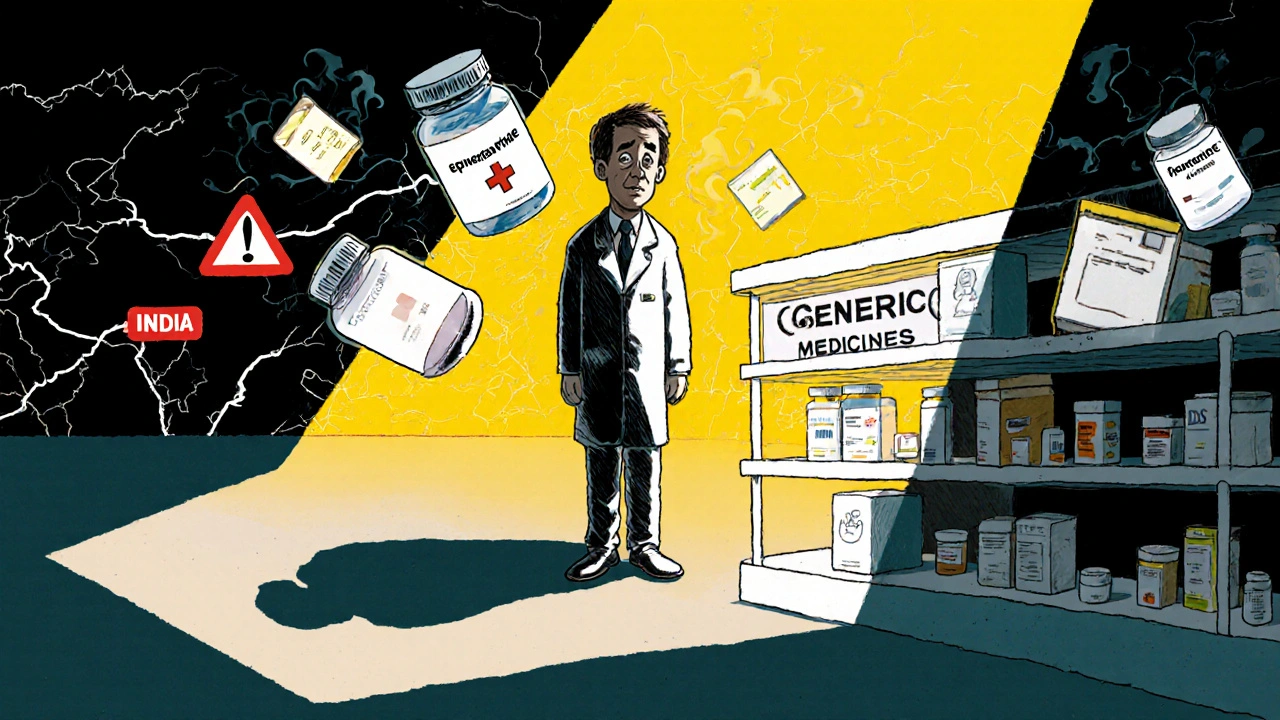
Pricing Pressure and Shortages: How Drug Manufacturers Are Struggling in 2025
Drug manufacturers are facing financial strain from rising raw material costs, tariffs, and supply chain disruptions, leading to widespread shortages of generic medications in 2025. Patients and providers are feeling the impact as profits shrink and production drops.
View MorePopular Posts