Impetigo: Causes, Treatments, and What Really Works
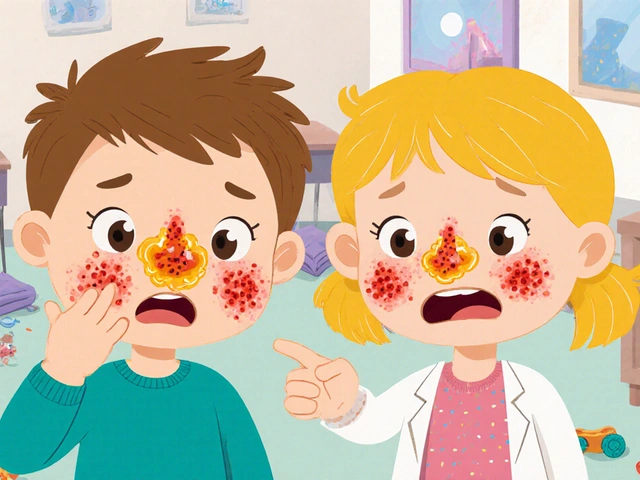
When your child’s face or hands start covered in red sores that turn into honey-colored crusts, it’s often impetigo, a highly contagious bacterial skin infection caused mainly by Staphylococcus aureus or Streptococcus pyogenes. Also known as school sores, it’s not dangerous but spreads fast—through touch, towels, or shared toys. You won’t find it in adults often, but in kids under 5, it’s one of the most common skin issues seen in clinics and daycare centers.
What makes impetigo tricky is that it looks like other rashes—eczema flare-ups, insect bites, or even ringworm. But unlike allergies, it doesn’t itch much at first, and the crusts are a dead giveaway. It starts as small red spots, then turns into blisters that burst and leave sticky, golden-yellow scabs. Left untreated, it can spread to other parts of the body or to family members. The good news? It responds well to treatment. Topical antibiotics like mupirocin are usually the first step. For worse cases, oral antibiotics like cephalexin or clindamycin work fast. No need for fancy remedies or essential oils—science-backed antibiotics clear it up in days.
One thing most people don’t realize: impetigo often follows another skin issue. If your kid has eczema, poison ivy, or even a minor cut, that’s where the bacteria jump in. Keeping skin clean and moisturized helps block the entry point. Washing hands often, not sharing towels, and trimming nails reduce spread. And yes—kids should stay home from school until 24 hours after starting antibiotics. It’s not about being overly cautious; it’s about stopping the chain.
There’s a reason you’ll see posts here about antibiotic side effects, drug interactions, and how to manage infections safely. Impetigo might seem simple, but it’s tied to bigger issues: overuse of antibiotics, resistance risks, and the confusion between natural remedies and proven treatments. You’ll find real-world advice here—not theory, but what works in homes and clinics. Whether you’re dealing with a stubborn case, worried about recurrence, or just trying to avoid spreading it to your baby sibling, the posts below give you the straight facts. No hype. No guesswork. Just what you need to get through it.
Impetigo and Cellulitis: How to Tell Them Apart and Choose the Right Antibiotic
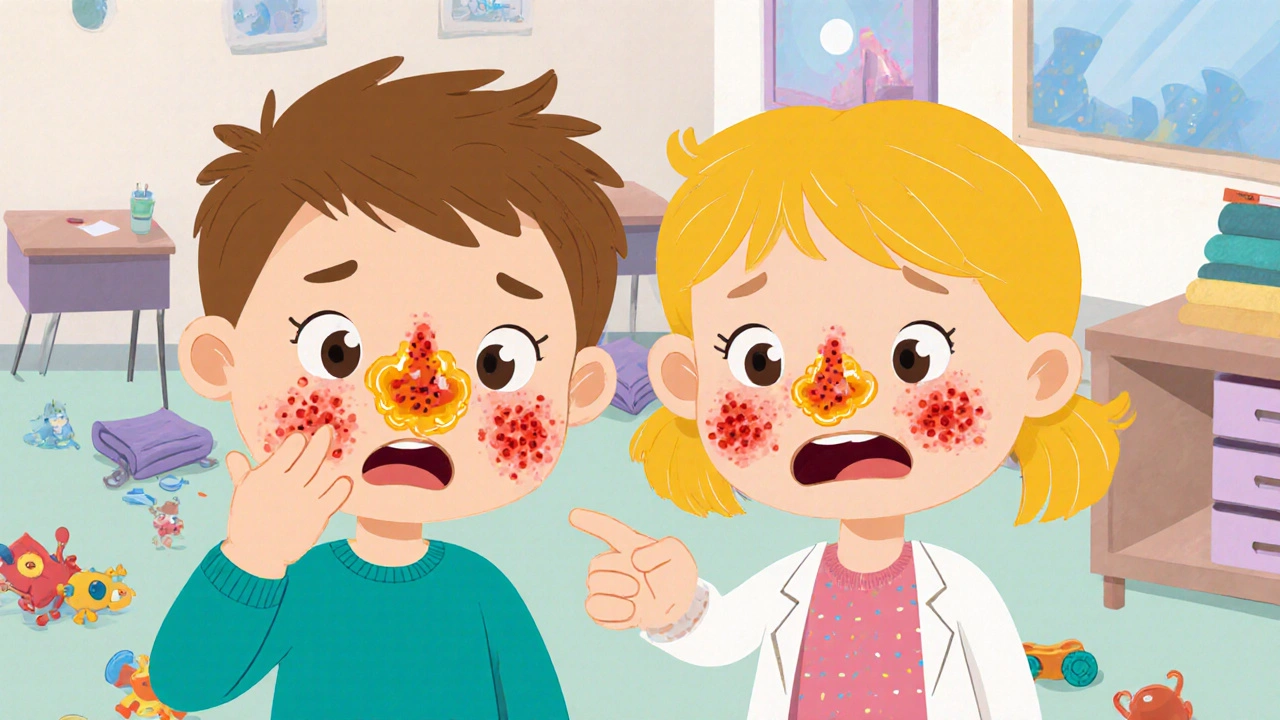
Impetigo and cellulitis are common bacterial skin infections with different symptoms and treatments. Learn how to tell them apart, which antibiotics work best, and when to seek urgent care.
View More