High-Risk Medications: What You Need to Know to Stay Safe
When we talk about high-risk medications, drugs that carry serious side effects or dangerous interactions if not used exactly as directed. Also known as narrow therapeutic index drugs, these are the pills that can flip from life-saving to life-threatening with a small mistake. Think of them like chainsaws: they do amazing work when handled right, but one slip can cost you everything. These aren’t just strong drugs—they’re the ones that interact with food, other meds, or even your genetics in ways most people never expect.
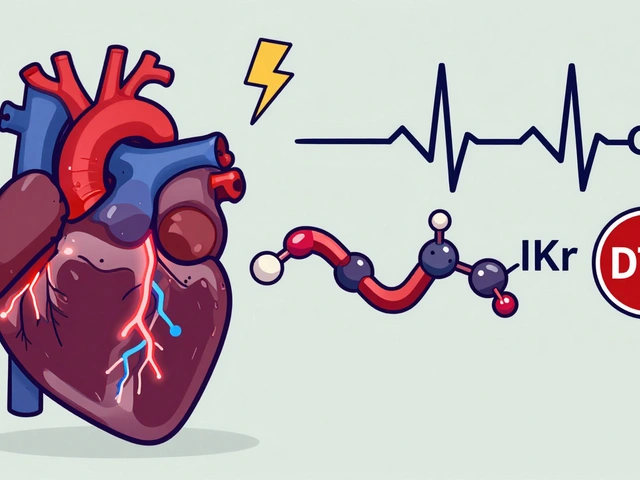
What makes a medication high-risk? It’s not just potency. It’s how easily it can go wrong. QT prolongation, a heart rhythm disruption triggered by certain antibiotics and antidepressants can cause sudden cardiac arrest. Drug interactions, when two or more medicines clash inside your body turn normal side effects into emergencies—like grapefruit turning blood pressure pills into overdoses. And generic drug contamination, when harmful chemicals sneak into supposedly identical pills, isn’t just a headline—it’s a real, ongoing threat. These aren’t rare events. Studies show over 70% of hospitalizations from medication errors involve high-risk drugs.
You don’t need to avoid these meds. You need to understand them. Some people take levothyroxine for years without issue, but switch brands and suddenly feel off—because even tiny differences in generic versions matter. Others take azithromycin for a sinus infection and never know they’re risking a deadly heart rhythm if they’re also on a statin or antidepressant. And if you’re on multiple prescriptions, your chances of a bad interaction go up fast. The solution isn’t fear. It’s vigilance: checking labels every single time, keeping a simple medication log, asking your pharmacist about interactions before you leave the counter, and knowing when to push back if something feels wrong.
What you’ll find below isn’t theory. It’s real-world guidance from people who’ve been there. You’ll learn how to read the tiny print on your prescription bottle, spot the hidden dangers in supplements, track your meds so you never guess if you took your pill, and understand why some generics work fine while others cause trouble. These aren’t abstract warnings—they’re practical steps that reduce errors by over 70%. If you’re managing more than one prescription, especially for heart, mental health, or chronic conditions, this collection gives you the tools to stay safe without living in fear.
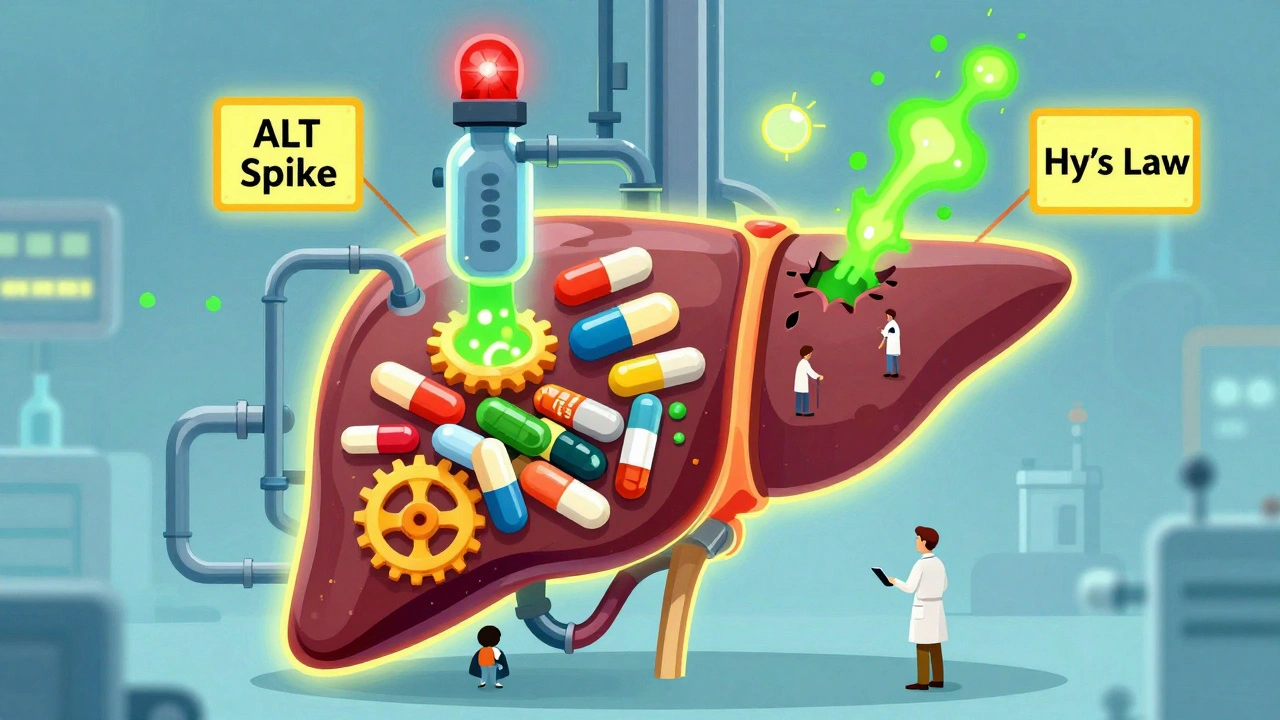
Drug-Induced Liver Injury: High-Risk Medications and How to Monitor Them
Drug-induced liver injury can be caused by common medications and supplements. Learn which drugs pose the highest risk, how to spot early signs, and what monitoring steps can prevent serious liver damage.
View More